
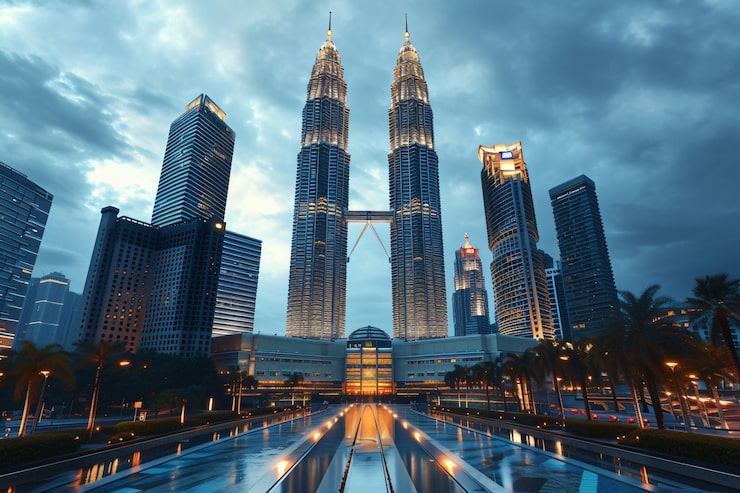
As the ringgit continues its upward trajectory, experts and tourism groups in Malaysia are closely monitoring its potential impact on the tourism sector. While the stronger ringgit has not yet shown significant effects on visitor numbers, industry leaders believe that proactive measures should be taken to ensure the country’s tourism sector remains competitive. The government is encouraged to launch more targeted campaigns to attract visitors and maintain Malaysia’s appeal as a prime tourist destination.
The Ringgit’s Upward Trend: A Limited Impact on Visitor Numbers
Despite the strengthening of the ringgit, which has created a favorable exchange rate, tourism numbers in Malaysia have remained strong. Mint Leong, president of the Malaysia Inbound Tourism Association, stated that the stronger ringgithas had a minimal effect on the number of incoming tourists. In fact, visitor numbers continue to rise, suggesting that the strength of the currency has not yet deterred tourists from coming to Malaysia.
Leong emphasized that tourists typically travel with a fixed budget. A slight change in the exchange rate does not significantly alter their overall spending power. Tourists may make slight adjustments, such as choosing less expensive options for shopping or opting for mid-range accommodations instead of five-star hotels, but their travel plans remain unchanged. This means that, although the stronger ringgit may affect some discretionary spending, it has not substantially impacted the overall volume of tourism to the country.
Potential Challenges for Malaysia’s Shopping Appeal
However, Mint Leong also warned that Malaysia’s competitive advantage in shopping, particularly its branded goodsand tax-free shopping, could be at risk if the ringgit continues to appreciate. Malaysia has long been known for its shopping options, attracting visitors with its affordable luxury items. However, if the exchange rate continues to shift and prices in Malaysia align more closely with those in neighboring countries, tourists may opt to purchase items at home rather than during their visit.
To counter this potential challenge, Leong urged the government and the tourism sector to launch more focused and segment-specific promotions that cater to key markets such as Singapore, Indonesia, Vietnam, China, and India. This could include offering tourist-only vouchers, creating experiential campaigns, and providing mall-based incentivesaimed at encouraging tourists to spend more while in the country. Such strategies would not only bolster tourismspending but also reinforce Malaysia’s position as a top shopping destination in Southeast Asia.
Subtle Changes in Tourist Spending Behavior
While Malaysia’s tourism sector continues to see an upward trend in arrivals, Dr. Sri Ganesh Michiel, president of the Malaysia Tourism Federation and the Malaysia Budget and Business Hotel Association, noted that the stronger ringgit is subtly influencing how visitors spend their money. Travelers are becoming more selective in their spending, particularly in areas such as shopping, optional tours, and upgrades. The ringgit’s strength has led tourists to carefully assess the value of their purchases and make more conservative choices.
However, Dr. Ganesh emphasized that Malaysia remains competitively priced within ASEAN, especially when compared to other neighboring countries. Despite the stronger ringgit, Indonesia, Thailand, and Vietnam still offer more favorable exchange rates for tourists, presenting Malaysia with the challenge of competing on value-added experiences rather than just on price.
Competing on Value-Added Experiences
In order to stay competitive, Malaysia will need to shift its focus from price-based competition to emphasizing the unique experiences that the country offers. As Dr. Ganesh pointed out, tourists are increasingly looking for value in their travel experience, and Malaysia must differentiate itself with its offerings of eco-tourism, family-friendly products, diverse food culture, and safety. By highlighting these aspects, Malaysia can continue to attract tourists who seek memorable experiences, not just cheap options.
Additionally, tourism operators in Malaysia must adapt to the changing economic environment. Hotels and airlines that rely heavily on imported goods and materials stand to benefit from the stronger ringgit, as it reduces their operational costs. However, smaller tourism operators and retailers may feel more pressure as tourists become more cautious with their discretionary spending. Adapting to these shifts in consumer behavior will be essential for all sectors of Malaysia’s tourism industry.
Opportunities Despite the Stronger Ringgit
Despite the changes in spending behavior, Dr. Ganesh reassured industry stakeholders that the stronger ringgit does not eliminate opportunities for success within the tourism sector. Malaysia can still attract a wide range of travelers, from budget-conscious tourists to those seeking high-end experiences. The key will be to strategically position offerings to meet the needs of different segments, from budget hotels and eco-tourism experiences to luxury shopping and fine dining.
As Malaysia works to adapt to the changing economic landscape, tourism businesses must be flexible and responsive to the needs of their visitors. With the right focus on value-added experiences and tailored promotions, Malaysia’s tourism sector can continue to thrive even in a stronger ringgit environment.
Conclusion: A Shifting Landscape for Malaysia’s Tourism Industry
The stronger ringgit presents both challenges and opportunities for Malaysia’s tourism industry. While it has not yet caused a significant dip in visitor numbers, it is influencing how travelers allocate their spending during their trips. Malaysia must now focus on offering value and experiences that go beyond mere price competition. By enhancing the appeal of tourist attractions, eco-tourism, and cultural experiences, Malaysia can ensure that its tourism sector remains competitive, sustainable, and attractive to both local and international visitors.
The post How Malaysia’s Stronger Ringgit Could Affect Tourism and What the Government Should Do to Adapt appeared first on Travel And Tour World.
