
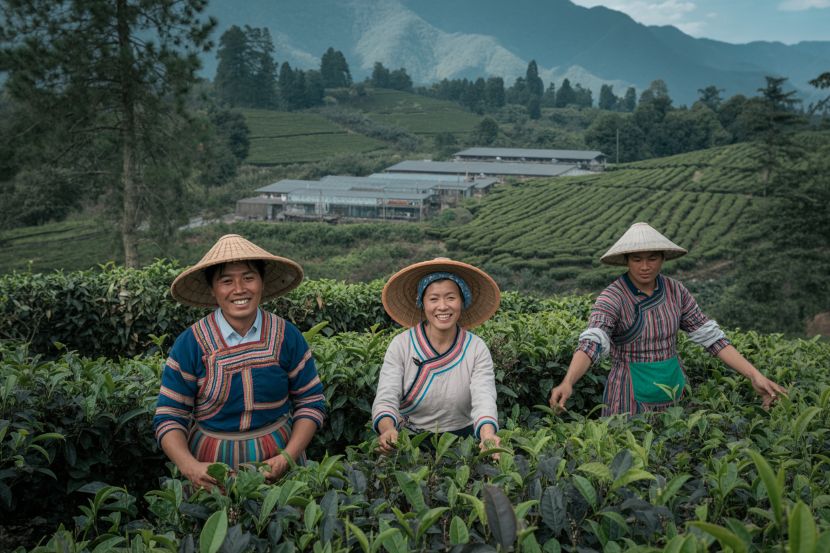

Nestled in the fertile, rain-soaked mountains of western Yunnan, the De’ang ethnic group has been perfecting the art of sour tea for generations. This tea, known for its unique taste and health benefits, is more than just a drink; it is a symbol of the De’ang people’s rich cultural heritage. Today, the De’ang sour tea tradition, recognised by UNESCO as part of China’s intangible cultural heritage, is not only preserving an ancient craft but also offering travellers a fascinating glimpse into one of China’s most unique ethnic traditions.
A Journey into De’ang Tea Culture
For those seeking a deep dive into China’s ethnic diversity, the De’ang people’s sour tea offers an immersive experience unlike any other. Visitors to the Gaoligong and Nu mountain areas of Yunnan, the heartland of De’ang culture, can explore the ancient tea farms where generations of farmers have cultivated and processed tea for centuries. The lush landscapes, complemented by the rustic charm of traditional tea production techniques, provide a perfect backdrop for a cultural exploration.
Yunnan, already renowned for its vibrant tea culture, now offers a unique opportunity for travellers to witness the De’ang tea-making process first-hand. From picking leaves to fermentation and drying, visitors can participate in the full cycle of tea production, learning how the De’ang people brew their famous sour tea. This hands-on experience is part of a larger movement to share local traditions with a global audience and preserve these practices for future generations.
Tea as a Gateway to Tourism and Economic Growth
Beyond its cultural significance, De’ang sour tea is becoming a key driver of tourism development in Yunnan. Local villages such as Chudonggua in Mangshi’s Santaishan Township have embraced their role as the birthplace of sour tea, turning the area into an attractive destination for cultural tourists. Here, visitors can walk through the De’ang story corridor, which celebrates the history of the tea-making process, and engage with local artisans and tea farmers to learn about their craft.
In addition to traditional tea experiences, the village has developed several tourism-related amenities, including B&Bs, hotels, and tea-themed cafés. Tourists can enjoy a cup of freshly brewed sour tea while exploring the scenic beauty of the area, sampling local cuisine, and engaging in cultural workshops. The tea farms have become a central point for eco-tourism and cultural tourism, drawing visitors from around the world.
A Sustainable Path to Rural Revitalisation
The growth of De’ang sour tea tourism is helping to revitalise rural communities by creating sustainable income opportunities for locals. Yang Chunlan, a prominent inheritor of the tea-making techniques, actively invites tourists and tea cooperatives to experience the process and settle payments directly with the farmers. As more visitors arrive, the tea industry has not only become a source of income but also a tool for social development.
Local communities are coming together to establish sour tea associations, improving quality control, sanitation, and promoting healthier, more sustainable tea-making practices. By creating a shared vision for the industry, the De’ang people are ensuring that their traditional tea-making craft is both preserved and enhanced for the benefit of future generations, while also contributing to the local economy.
De’ang Tea’s Global Recognition and Tourism Impact
The inclusion of De’ang sour tea in the UNESCO Representative List of the Intangible Cultural Heritage of Humanity has placed it on the global stage. This recognition not only highlights the importance of this ancient craft but also boosts tourism to Yunnan, as travellers seek out unique cultural experiences. As the world increasingly values authentic and locally rooted traditions, the De’ang sour tea has become a symbol of cultural preservation and sustainable tourism in China.
The increasing interest in ethno-tourism, driven by the desire to experience local customs and lifestyles, makes the De’ang sour tea experience an essential stop for those visiting Yunnan. By integrating agriculture, culture, and tourism, the region is paving the way for more travel opportunities that focus on the intersection of nature and heritage.
A Journey Through Culture and Tea
For travellers seeking an authentic cultural experience, the De’ang ethnic group’s sour tea offers a compelling and enriching journey into one of Yunnan’s most unique traditions. This centuries-old craft, now recognised by UNESCO, provides a fascinating insight into the De’ang people’s connection with nature, culture, and community. Visitors to the region can engage in tea production, explore picturesque tea villages, and witness how this timeless tradition is helping to sustain local economies and preserve cultural heritage.
The post Yunnan’s De’ang Sour Tea: Brewing Cultural Heritage and Tourism Opportunities appeared first on Travel And Tour World.
