
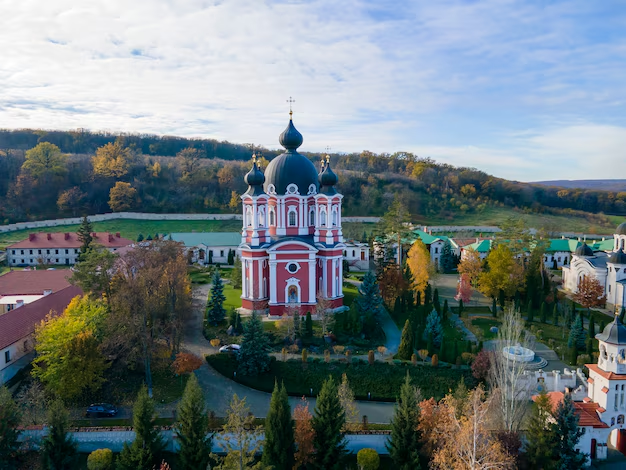

In 2026, Moldova stands out as one of the most underappreciated countries in Europe, offering a wealth of natural beauty, rich culture, and affordable travel experiences. Despite being one of the least visited destinations on the continent, Moldova remains an undiscovered gem for tourists seeking an authentic and affordable European experience. Nestled between Romania and Ukraine, Moldova attracts fewer than 150,000 visitors annually, making it one of the most low-key travel spots in Europe. This lack of mass tourism has preserved its charm and allowed the country to retain a sense of tranquility that visitors to more crowded destinations simply cannot experience.
An Unlikely Destination for Budget Travelers
Moldova offers a rare opportunity for those looking to travel through Europe without breaking the bank. A meal out in Moldova can cost as little as £3.50 (around €5), and a soft drink will cost under £1, making it an ideal destination for budget-conscious travelers. Additionally, flights from the UK to Moldova are highly affordable, with tickets to the capital Chișinău available for as low as £51, making it one of the most cost-effective travel options in the region.
This affordability extends beyond meals and flights. The average hotel stay in Chișinău, Moldova’s largest city, typically costs around £26 per night, providing inexpensive accommodations in a city with a growing tourism infrastructure. Travelers can enjoy a European getaway while spending much less than in popular destinations like Paris, Rome, or London.
Moldova’s Rich History and Scenic Landscapes
Despite its lack of widespread recognition, Moldova boasts a fascinating blend of history, culture, and nature that make it worth the visit. From the Nistru River to the Tipova Cave Monasteries, Moldova offers picturesque landscapes that are perfect for travelers seeking tranquility and beauty. The Codru National Reserve, one of Moldova’s natural wonders, is home to dense forests and diverse wildlife, offering nature enthusiasts the chance to explore unspoiled environments.
Moldova is also known for its expansive underground wineries, such as Cricova and Mileștii Mici, which house some of the world’s largest collections of wine. Cricova Winery, for instance, boasts the world’s largest collection of wine bottles, totaling around 1.5 million bottles, including some rare and historic collections, like one once owned by Russian President Vladimir Putin. Wine tourism is becoming an increasingly popular activity, attracting visitors to Moldova to sample local wines and explore the country’s winemaking traditions.
Moldova’s EU Aspirations and Political Landscape
In recent years, Moldova has made strides towards European integration, with its official EU membership application submitted in March 2022. The country was granted candidate status in June 2022, and its efforts to fully join the European Union by 2030 remain a key priority. While Moldova’s relationship with Russia has been complex, the country’s pursuit of EU membership is a sign of its desire to align more closely with Western Europe.
However, Moldova faces a number of challenges on its path to EU integration, particularly regarding the Transnistria region, a breakaway state that remains under the control of pro-Russian separatists. The situation in Transnistria is delicate, especially in light of Russia’s invasion of Ukraine, which has heightened concerns about the region’s stability. The EU is closely monitoring Moldova’s political landscape as it continues to navigate these challenges.
The Impact of Limited Tourism on Moldova’s Economy
Despite being one of Europe’s least-visited countries, Moldova’s tourism sector is showing signs of growth. Its low-profile status on the global tourism map has helped preserve its natural and cultural resources from the damage often caused by mass tourism. However, there is a push to develop the country’s tourism infrastructure to attract more visitors while maintaining its unspoiled charm.
Local businesses in Moldova, such as cafes, restaurants, and small boutique hotels, have benefited from the growing number of visitors, especially those from Russia, who have begun to show increasing interest in the country as a travel destination. As a result, Moldova is aiming to strike a balance between increasing its tourism appeal and preserving the authenticity that makes it unique.
Concerns Over Tourism in Moldova’s Transnistria Region
Moldova’s Transnistria region presents a challenge to the country’s tourism development efforts. This area, which has been the subject of ongoing conflict, is outside the control of the Moldovan government and is heavily influenced by Russian interests. The Foreign, Commonwealth & Development Office (FCDO) advises against all travel to Transnistria due to the ongoing military activity near the region and the unstable political situation. This has made tourism in the region more difficult to manage and poses a risk to Moldova’s overall tourism growth if the situation remains unresolved.
Despite these challenges, Moldova’s main tourist areas, particularly in Chișinău and Cricova, have seen a surge in visitors, with tourist-friendly services and attractions steadily expanding.
The Future of Tourism in Moldova
Looking ahead, Moldova’s tourism industry has the potential to grow significantly, especially as more travelers seek off-the-beaten-path destinations. The combination of affordable travel, rich cultural experiences, and the allure of the wine country positions Moldova as an emerging European destination.
For travelers looking for a unique European adventure, Moldova offers an experience unlike any other, with scenic landscapes, historical landmarks, and a growing focus on eco-tourism and wine tourism. The country’s efforts to enhance its tourism infrastructure while preserving its natural and cultural heritage are crucial for ensuring that its tourism sector continues to thrive in the coming years.
Conclusion: Moldova’s Unfolding Potential
Moldova stands as an underrated gem in the heart of Europe. With affordable travel options, a rich cultural legacy, and breathtaking natural landscapes, the country is gradually positioning itself as a must-visit destination for travelers seeking authentic and budget-friendly European experiences. While challenges related to the Transnistria region remain, Moldova’s increasing focus on sustainable tourism, particularly in areas like wine tourism, is helping it carve out a niche in the competitive European tourism market.
For travelers seeking an affordable and unique experience, Moldova offers a wealth of opportunities to explore, with a promising future on the horizon as it continues to develop its tourism industry while maintaining the authenticity that makes it so special.
The post Moldova as Europe’s Hidden Gem Offering Cheap Meals and New Deals on Flights – Why You Should Visit Before Everyone Else Does! appeared first on Travel And Tour World.
