

Hyrcanian Forests: Ancient Woodlands Defining Nature Tourism Along the Caspian Rim
Hyrcanian Forests, Northern Iran: Where Deep Time Shapes the Travel Experience
The Hyrcanian Forests stretch like a green ribbon along the southern edge of the Caspian Sea, forming one of the most ecologically significant and visually immersive landscapes in Iran and the wider region. Extending across multiple northern provinces, these forests represent an unbroken natural heritage that has survived dramatic climatic changes over millions of years.
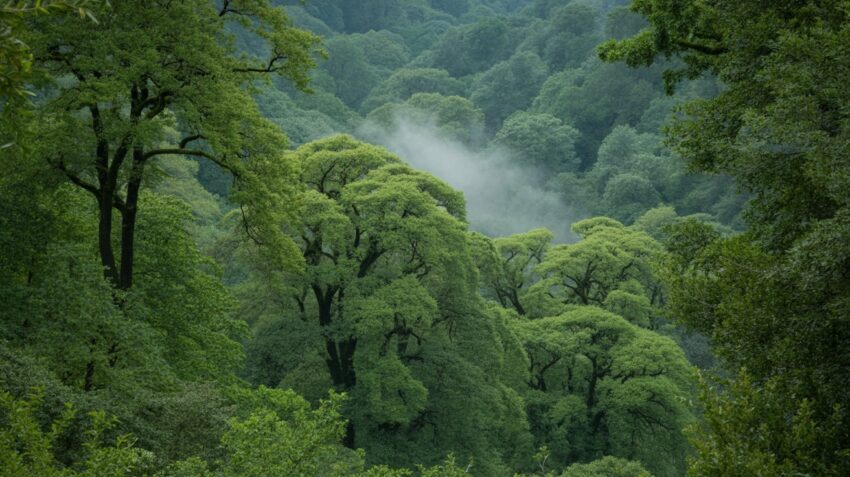
For travelers, Hyrcanian Forests tourism offers something increasingly rare in the modern world: entry into a living ecosystem shaped by deep time rather than recent design. Dense canopies, layered vegetation, mist-laden air, and constant greenery create an environment where nature dominates perception. As global tourism shifts toward sustainability, wellness, and authentic engagement, the Hyrcanian Forests have emerged as a cornerstone of eco tourism and nature-based travel in northern Iran.
Understanding the Hyrcanian Forests Through the Five W and One H
What Defines the Hyrcanian Forests as a Tourism Destination
The Hyrcanian Forests are defined by their age, continuity, and biodiversity. These are not fragmented woodland patches but an expansive forest system that predates many modern ecosystems.
Tourism here centers on immersion rather than spectacle. Walking beneath towering trees, observing layered plant life, and experiencing silence broken only by natural sounds define the visitor experience.
Where the Hyrcanian Forests Are Located
The Hyrcanian Forests extend along the southern Caspian coast, covering parts of several northern provinces and rising gradually from coastal plains into the foothills of the Alborz Mountains.
This geographical positioning creates a natural corridor where sea moisture meets mountain elevation, producing ideal conditions for dense forest growth.
Who Visits the Hyrcanian Forests
Visitors include nature enthusiasts, eco travelers, hikers, photographers, students, and travelers seeking restorative environments. Domestic tourism is strong, particularly among families and weekend travelers.
International visitors interested in ancient ecosystems, biodiversity, and sustainable travel increasingly recognize the Hyrcanian Forests as a unique global destination.
When the Hyrcanian Forests Became a Tourism Focus
While long valued locally, the Hyrcanian Forests gained broader tourism attention as environmental awareness and eco-tourism trends expanded. Recognition of their global ecological importance elevated their profile within nature tourism.
Tourism activity is highest during spring and summer, with autumn offering quieter exploration and rich visual change.
Why the Hyrcanian Forests Matter in Global and Regional Tourism
The Hyrcanian Forests matter because they represent continuity. Few forest systems worldwide have remained intact for such a long geological period.
Their preservation and accessibility position northern Iran as a key destination for travelers seeking meaningful nature experiences rather than entertainment-driven tourism.
How Tourism Is Integrated With Conservation
Tourism in the Hyrcanian Forests is increasingly aligned with conservation goals. Managed access, protected zones, and educational initiatives aim to ensure that visitation supports preservation.
Responsible tourism models emphasize learning, respect, and minimal environmental impact.
An Ancient Ecosystem Shaped by Climate and Geography
The Hyrcanian Forests owe their survival to the unique interaction between the Caspian Sea and the Alborz Mountains. Moist air from the sea rises against mountain slopes, creating high rainfall and stable humidity.
For travelers, this results in year-round greenery and a sense of immersion rarely found elsewhere in the region.
Biodiversity as a Core Tourism Asset
These forests host an extraordinary range of plant species, many of which are endemic or rare. Towering broadleaf trees form a multi-layered canopy supporting shrubs, mosses, and ground vegetation.
This biodiversity enhances educational tourism and deepens visitor appreciation for ecological complexity.
Sensory Experience and Forest Atmosphere
Tourism in the Hyrcanian Forests is defined by sensory engagement. Filtered sunlight, earthy scents, birdsong, and the softness of forest floors create a calming environment.
Many travelers associate visits with mental restoration and physical relaxation, aligning the forests with wellness tourism trends.
Trails, Paths, and Nature-Based Exploration
A network of trails allows visitors to explore different forest zones, from gentle walks near access points to deeper routes into denser woodland.
Trail-based tourism encourages slow movement and observation rather than speed or conquest.
Seasonal Transformation and Visual Diversity
Each season transforms the Hyrcanian Forests. Spring brings renewal and fresh growth, summer deepens green density, autumn introduces warm tones and falling leaves, and winter offers misty stillness and reduced human presence.
Seasonal change supports repeat visitation and varied storytelling.
Cultural Connections to the Forest Landscape
Local communities have lived alongside the Hyrcanian Forests for generations, shaping livelihoods, traditions, and settlement patterns. Agriculture, craftsmanship, and daily routines reflect forest influence.
Tourism provides opportunities to understand these human-nature relationships through respectful engagement.
Eco Tourism and Environmental Education
The Hyrcanian Forests offer exceptional potential for guided eco-tourism and environmental education. Interpretation programs help visitors understand forest dynamics, biodiversity, and conservation challenges.
Educational tourism strengthens long-term preservation by building awareness.
Photography and Visual Tourism Appeal
Dense textures, misty light, and vertical scale make the Hyrcanian Forests a compelling destination for photographers. Visual tourism plays a growing role in promoting awareness of their beauty and fragility.
Images often emphasize depth, mystery, and continuity rather than dramatic landmarks.
Accessibility and Regional Tourism Networks
The forests’ proximity to major roads and urban centers makes them accessible for day trips and extended stays. Many travelers integrate forest visits into broader Caspian coast itineraries.
This connectivity strengthens northern Iran’s tourism ecosystem.
Accommodation and Nature-Oriented Stays
Accommodation near the Hyrcanian Forests includes guesthouses, rural lodges, and eco-friendly stays. These options emphasize proximity to nature and minimal environmental impact.
Nature-based lodging supports longer stays and deeper engagement.
Economic Role of Forest Tourism
Tourism supports local economies through guiding services, accommodation, food provision, and transport. It diversifies income sources while reinforcing the value of conservation.
Balanced tourism ensures economic benefit without ecological degradation.
Environmental Challenges and Visitor Pressure
Increasing popularity brings challenges such as waste management, trail erosion, and habitat disturbance. Managing visitor numbers and behavior is essential to sustainability.
Authorities prioritize regulation, education, and monitoring.
Conservation Efforts and Sustainable Planning
Conservation strategies focus on protecting biodiversity, regulating development, and restoring impacted areas. Tourism planning aligns with these goals by emphasizing quality experiences over volume.
Sustainable planning ensures long-term viability.
Community Participation in Tourism Stewardship
Local communities play a vital role in protecting and preserving the forests. Community-based tourism initiatives encourage stewardship and equitable economic benefit.
Participation strengthens resilience and cultural continuity.
The Hyrcanian Forests as a Global Eco Tourism Model
The Hyrcanian Forests serve as an example of how ancient ecosystems can be integrated into modern tourism without losing integrity. Their management influences eco-tourism practices beyond Iran.
They demonstrate that preservation and access can coexist when guided by respect.
The Future of Hyrcanian Forests Tourism
The future of tourism in the Hyrcanian Forests lies in deepening understanding rather than increasing numbers. Emphasizing education, guided experiences, and low-impact access will preserve their essence.
As travelers increasingly seek meaningful nature encounters, these forests are positioned to remain globally relevant.
Where Time, Nature, and Travel Converge
The Hyrcanian Forests offer a journey into continuity. Beneath their canopies, travelers encounter landscapes shaped long before modern civilization and still quietly thriving today.
For those seeking eco tourism rooted in authenticity, sustainability, and awe, the Hyrcanian Forests stand as one of northern Iran’s most profound travel experiences—a place where ancient nature not only survives, but invites the world to learn how to travel more thoughtfully within it.
The post Hyrcanian Forests Tourism Significance: How the World’s Ancient Woodlands Are Shaping Sustainable Travel in Northern Iran appeared first on Travel And Tour World.
