
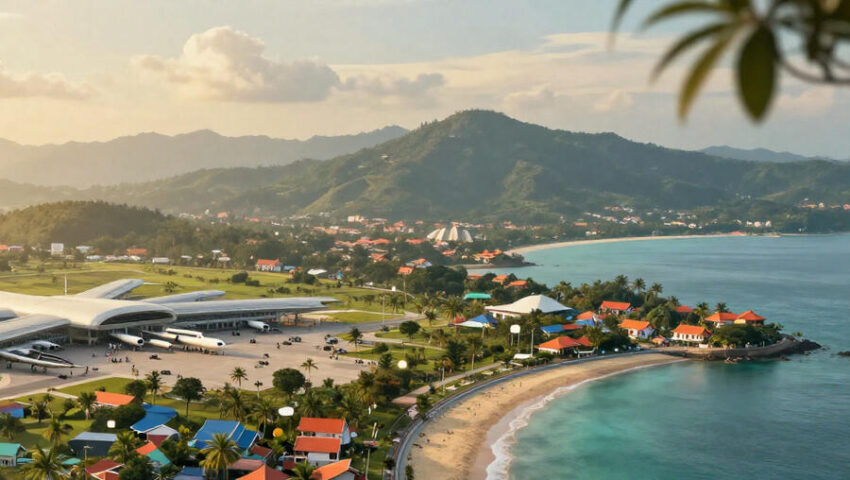

Vietnam’s tourism sector is starting 2026 with strong momentum, driven by a combination of impressive international arrivals, increasing domestic travel, and bold expansion plans. Following a record-breaking 2025, the country is on track to achieve even greater success, with ambitious targets that will further solidify its position as a key global tourism destination.
A Promising Start to the Year
Vietnam’s tourism industry is off to a solid start in 2026. From January 1 to January 4, the country welcomed around 3.5 million visitors, with bustling urban centres and resort destinations like Phu Quoc, Da Lat, Da Nang, Ho Chi Minh City, Hanoi, and Nha Trang seeing healthy hotel occupancy rates between 51% and 65%. This early surge indicates strong demand for both leisure and business travel, setting the stage for a positive year ahead.
Record-Breaking Performance in 2025
Vietnam’s tourism performance in 2025 was nothing short of exceptional. The country hosted 21.2 million international visitors, marking a 20.4% increase from the previous year. This impressive growth surpassed pre-pandemic numbers, reflecting the industry’s rapid recovery and resilience. The surge in international arrivals provided a significant boost to the hospitality, food, beverage, and transportation sectors, positively impacting the national economy.
In addition to international visitors, the domestic tourism market also saw a sharp rise. According to official figures, tourism activities contributed to an 8.02% increase in Vietnam’s GDP in 2025. The combined growth of international and domestic tourism generated substantial revenue across various sectors, highlighting the critical role tourism plays in the nation’s economic development.
Asia Dominates, with New Global Horizons
As expected, Asia remains the dominant source region for visitors to Vietnam, contributing around 78.6% of international arrivals in 2025. China and South Korea are the top markets, maintaining their position as the largest sources of tourists. However, there has been a noticeable shift, with growing numbers of visitors arriving from Europe, Oceania, and North America. This marks a significant step towards global diversification, as Vietnam continues to expand its appeal beyond its traditional source markets.
The increasing influx of visitors from other continents is a testament to Vietnam’s rising status on the global tourism map. The country’s rich cultural heritage, diverse landscapes, and burgeoning tourism infrastructure are proving to be highly attractive to a more varied international audience.
The Competitive Global Tourism Landscape
Despite the positive results, Vietnam’s tourism industry faces increasing competition. As the global travel market continues to grow, more countries are vying for the attention of international tourists. To maintain its edge, Vietnam must continue to enhance its destination marketing strategies, focusing on brand differentiation, innovative product offerings, and digital promotions.
As the competition intensifies, Vietnamese authorities are increasingly emphasizing data-driven marketing to better target key markets. By leveraging digital platforms and launching tailored promotions, Vietnam aims to boost its visibility and attract even more visitors, particularly from high-value international markets.
Ambitious Tourism Goals for 2026
Looking forward to 2026, Vietnam has set bold targets for its tourism sector. The country is aiming to attract 25 million international visitors and facilitate 150 million domestic travel movements throughout the year. These ambitious goals reflect the government’s commitment to tourism as a central driver of economic growth. The target revenue for the tourism sector is set at VNĐ1.125 quadrillion, underscoring the sector’s crucial role in Vietnam’s broader economic strategy.
Enhancing Sustainability and Visitor Experience
In addition to focusing on growing visitor numbers, Vietnam’s tourism strategy for 2026 emphasizes the importance of sustainable growth and improving visitor experiences. To achieve these objectives, the country is prioritizing the development of emerging tourism segments, including cultural tourism, wellness tourism, and nature-based tourism. These segments are increasingly sought after by global travellers looking for unique and immersive experiences.
Furthermore, the government is fostering public-private partnerships to enhance tourism infrastructure, improve service standards, and increase the overall quality of the visitor experience. Collaboration with private-sector operators will be key to unlocking the potential of these new tourism offerings.
A Bright Future for Vietnam’s Tourism Sector
Vietnam’s tourism industry is poised to thrive in 2026, with an ambitious roadmap to build on its recent successes. The country’s ability to balance growth with sustainability, infrastructure development, and a focus on enhancing the visitor experience will be critical to maintaining its competitive edge.
As Vietnam continues to expand its tourism offerings and strengthen its global visibility, the country is set to become an even more prominent destination for international travellers. The ongoing efforts to diversify visitor markets, enhance tourism products, and boost infrastructure readiness will ensure that Vietnam’s tourism sector remains one of the fastest-growing in the world.
The post Vietnam’s Tourism Sector Reaches New Heights in 2026, As Strategic Expansion and Market Diversification Set the Stage for Sustained Growth and Global Recognition appeared first on Travel And Tour World.
