
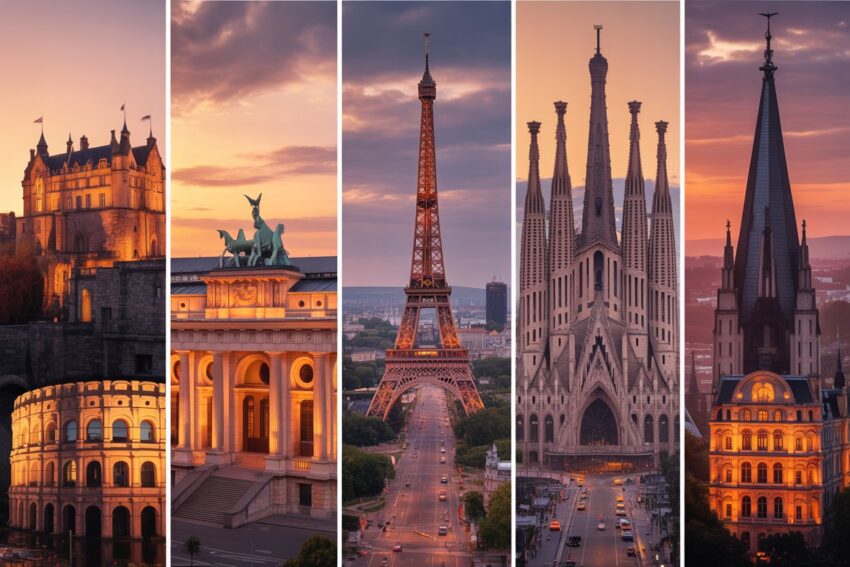
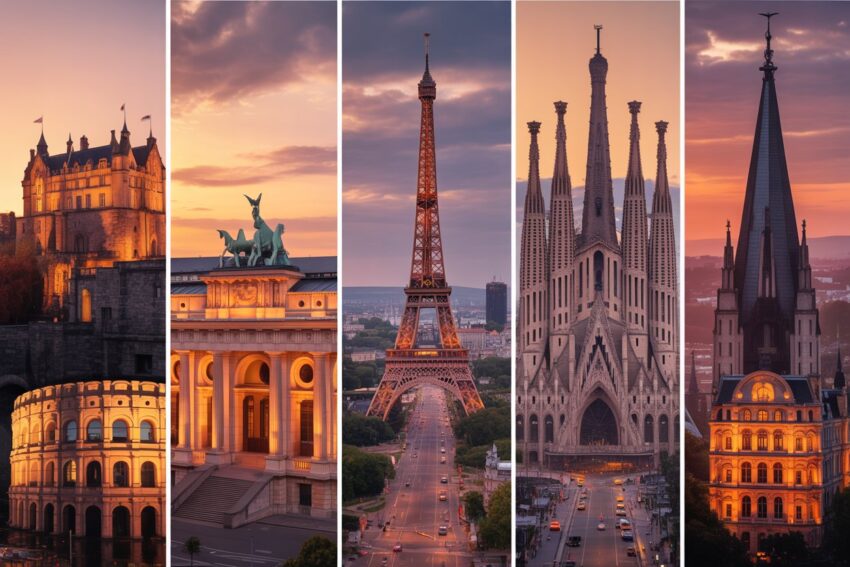
In 2026, Switzerland has joined a growing list of European countries, including Italy, France, Greece, Spain, and Iceland, in implementing a series of measures to tackle overtourism. As global travel rebounds and the pressures on popular tourist destinations intensify, these countries are enforcing visitor caps, fines, and new regulations to address the growing concerns of overcrowding, environmental degradation, and social strain caused by mass tourism. Switzerland, known for its stunning landscapes and Alpine destinations, has recognized the urgent need to preserve its natural beauty and cultural heritage. By introducing visitor limits at iconic sites like Jungfraujoch and Zermatt, alongside fines for disruptive behavior, the country aims to protect its environment while ensuring that tourism remains sustainable for future generations. This shift is part of a broader European movement to redefine how tourism is managed, balancing the economic benefits of travel with the need for sustainability. In this article, we will explore how Switzerland, alongside Italy, France, Greece, Spain, and Iceland, is taking bold steps to ensure that tourism contributes positively to both local communities and the environment, providing you with everything you need to know about these new rules and their impact on the future of travel.
Italy: Combating Overtourism with Fines, Visitor Caps, and New Rules
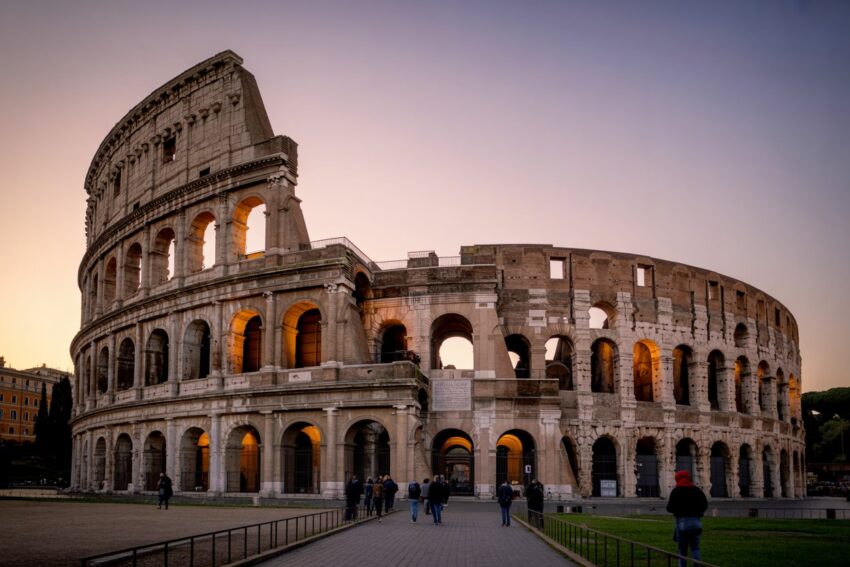
Italy, renowned for its cultural heritage, is facing significant challenges in managing the mass influx of tourists, particularly in cities like Venice, Rome, and Florence. To counter overtourism, Italy has introduced a range of measures aimed at preserving its historical sites and maintaining the quality of life for local residents. In Venice, a daily entry fee for day-trippers has been implemented to discourage overcrowding and to generate funds for preserving the city’s unique infrastructure. Similarly, visitor caps and timed tickets are being enforced at Pompeii and other fragile sites to ensure that they are not overwhelmed by large numbers of tourists. Italy has also introduced fines for disruptive behavior, such as noise and damage to public property, particularly in sensitive areas like historic districts and public squares. These fines serve to maintain public order and reduce the negative impact of mass tourism. Additionally, the country has placed restrictions on short-term vacation rentals in popular destinations to preserve housing availability for locals. These combined efforts are part of Italy’s broader goal to balance the economic benefits of tourism with the need for heritage preservation, ensuring that tourism remains sustainable for future generations.
| Measure | Details |
|---|---|
| Daily Entry Fee | A fee for day-trippers to Venice to reduce overcrowding and fund preservation. |
| Visitor Caps | Timed tickets and visitor limits at Pompeii and other historic sites. |
| Fines for Disruptive Behavior | Fines for noise, vandalism, and other disruptive actions in historic districts. |
| Restrictions on Short-Term Rentals | Capping short-term rental licenses to protect local housing. |
Greece: Managing Overcrowding with Visitor Caps and Tourism Levies
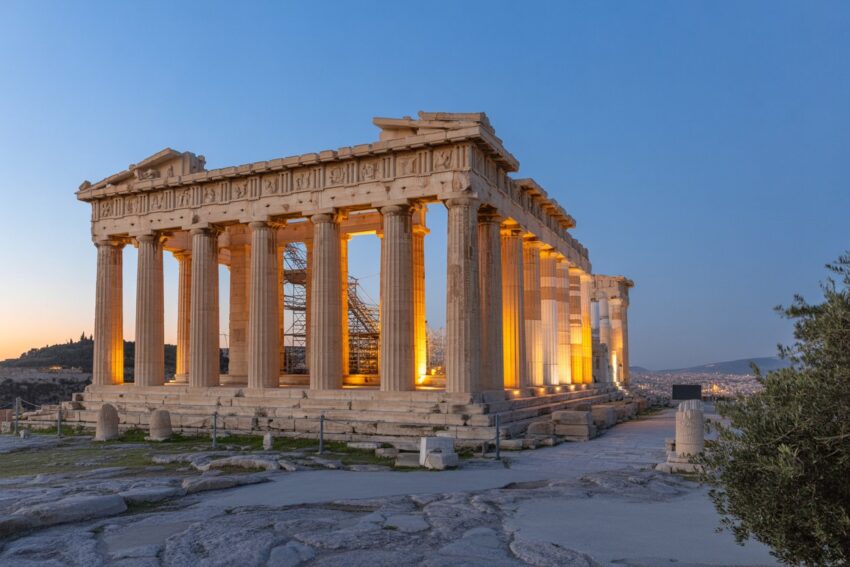
Greece, with its rich ancient history and stunning islands, is also grappling with overtourism, particularly in destinations like Santorini, Mykonos, and Athens. In response to these pressures, the country has introduced several policies designed to regulate visitor numbers and ensure that tourism does not overwhelm its cultural heritage. Visitor caps and timed entry systems have been implemented at key attractions like the Acropolis and other archaeological sites. This approach ensures that the influx of tourists does not harm these fragile monuments while enhancing the experience for visitors. To manage the pressure from mass tourism, Greece has also placed regulations on cruise ship arrivals, limiting the number of passengers who can disembark at popular ports at peak times. In addition to caps and visitor management, the Greek government has introduced tourism levies and fees to generate revenue for conservation efforts and infrastructure improvements. These measures aim to ensure that tourism contributes to the sustainability of the country’s cultural and natural heritage. Greece’s approach highlights the growing importance of sustainable tourism that prioritizes preservation and balanced visitor experiences.
| Measure | Details |
|---|---|
| Visitor Caps | Timed entry systems at the Acropolis and other key archaeological sites. |
| Cruise Ship Regulations | Limiting the number of passengers disembarking at peak times. |
| Tourism Levies and Fees | Taxes to generate revenue for infrastructure and conservation projects. |
Spain: Enforcing Fines and Restrictions for Sustainable Tourism
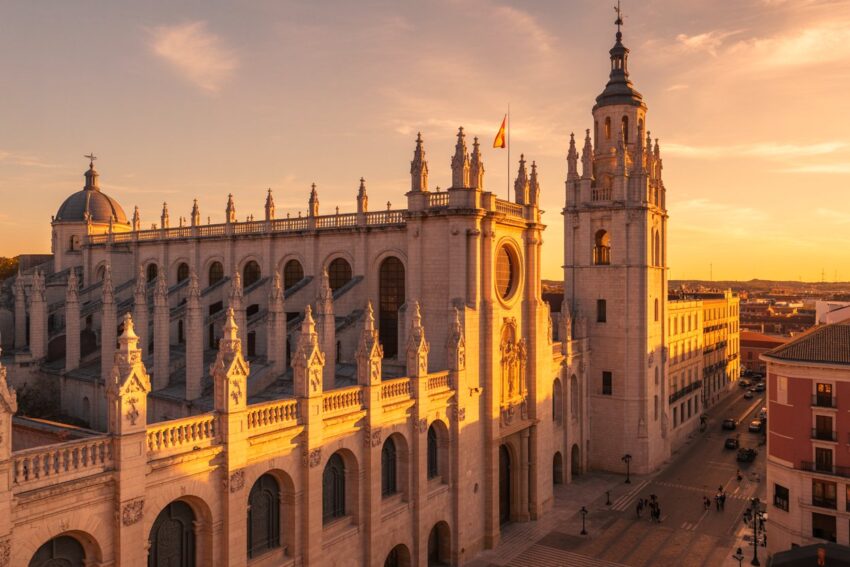
Spain, one of Europe’s most visited countries, has introduced a series of measures to tackle the challenges of overtourism, especially in its Mediterranean cities like Barcelona, Ibiza, and Mallorca. One of the primary strategies has been the enforcement of fines for disruptive behavior, such as public drinking, excessive noise, and inappropriate conduct. These fines aim to maintain public order in crowded tourist hotspots, ensuring that residents and tourists alike can enjoy the environment peacefully. In addition to behavior management, Spain has implemented smoking bans on beaches and regulations targeting party tourism to reduce the environmental and social impacts associated with large crowds and late-night activities. Restrictions on short-term rentals have also been put in place, particularly in cities like Barcelona, to help preserve local housing stock and prevent displacement of residents. Furthermore, tourist taxes have been introduced across various regions to fund infrastructure improvements, such as public transport and waste management, ensuring that the economic benefits of tourism are reinvested in the areas most impacted by it. Spain’s multifaceted approach aims to balance economic growth with the protection of local communities and the environment.
| Measure | Details |
|---|---|
| Fines for Disruptive Behavior | Fines for public drinking, noise, and other disruptive actions in tourist areas. |
| Smoking Bans on Beaches | Aimed at reducing pollution and maintaining a pleasant environment. |
| Restrictions on Short-Term Rentals | Regulations on vacation rentals in cities like Barcelona to protect housing. |
| Tourist Taxes | Levies to fund infrastructure improvements and support local services. |
Iceland: Linking Tourism and Conservation with Visitor Taxes
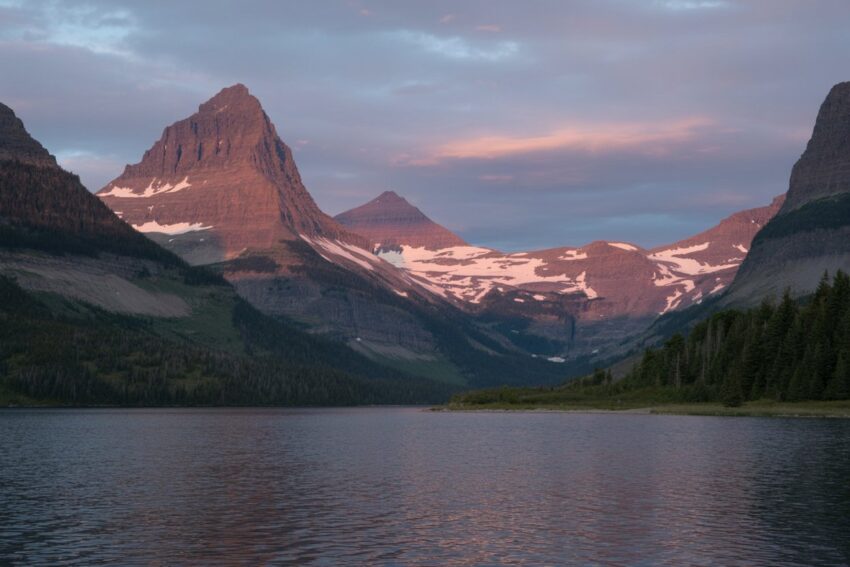
Iceland’s dramatic landscapes have made it one of the fastest-growing tourist destinations in Europe. However, the country’s unique natural environments are vulnerable to the negative impacts of overtourism, such as soil erosion and pollution. To address these concerns, Iceland has implemented visitor taxes and accommodation levies that are specifically designed to fund conservation efforts and manage tourist flows. These financial tools help reduce the pressure on popular sites and promote sustainable tourism practices. In addition to economic measures, Iceland has introduced guidelines and restrictions for visiting sensitive natural areas, such as geothermal springs and volcanic landscapes, to prevent damage to these fragile ecosystems. The government also encourages responsible behavior through education campaigns that promote environmental stewardship. Iceland’s approach focuses on the integration of economic incentives with environmental protection, ensuring that tourism revenues contribute to the preservation of the country’s natural beauty for future generations.
| Measure | Details |
|---|---|
| Visitor Taxes | Taxes levied on tourists to fund conservation and manage tourist flows. |
| Accommodation Levies | Fees for overnight stays to support tourism-related conservation. |
| Guidelines and Restrictions | Restrictions on visiting sensitive natural areas to protect the environment. |
France: Managing Visitor Numbers and Encouraging Responsible Behavior
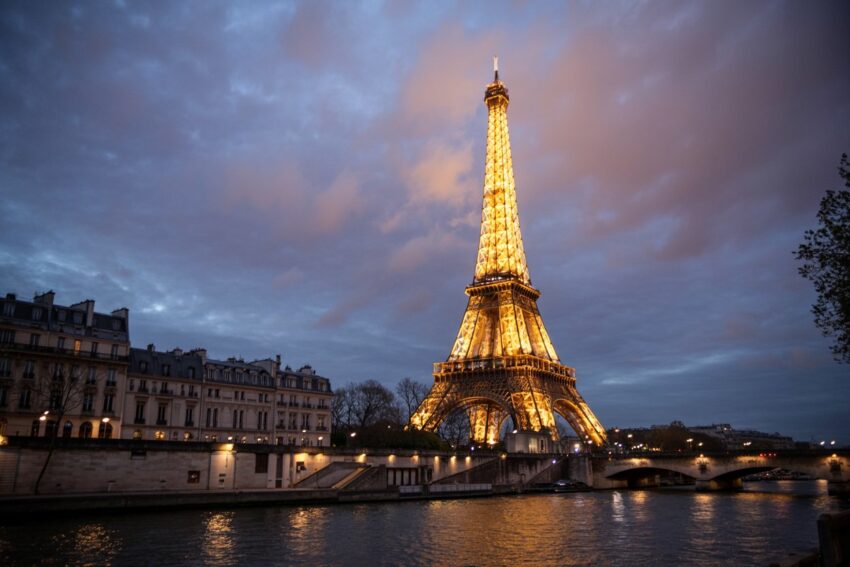
As the most visited country in the world, France faces significant challenges in managing overtourism, particularly in popular destinations like Paris, Nice, and the French Riviera. To address these issues, French authorities have introduced fines for disruptive tourist behavior such as noise, vandalism, and damaging public property in high-traffic areas. These fines serve to maintain order and protect the country’s cultural heritage from the negative impacts of mass tourism. France has also implemented national and local visitor management strategies, including visitor caps and timed entry systems at certain sites to prevent overcrowding and preserve the integrity of cultural landmarks. Additionally, the country is focusing on sustainable infrastructure investments, including better waste management and public transport systems, to support the growing number of visitors. France also promotes responsible tourism behavior through campaigns and regulations that encourage tourists to respect the local environment and communities. By balancing the economic benefits of tourism with the need for preservation, France is taking proactive steps towards a more sustainable tourism model.
| Measure | Details |
|---|---|
| Fines for Disruptive Behavior | Fines for noise, vandalism, and other misconduct in tourist areas. |
| Visitor Management Strategies | Visitor caps and timed entry to preserve cultural landmarks. |
| Sustainable Infrastructure Investments | Investments in waste management and public transport for tourism sustainability. |
Switzerland: Enforcing Sustainable Tourism through Visitor Caps, Fines
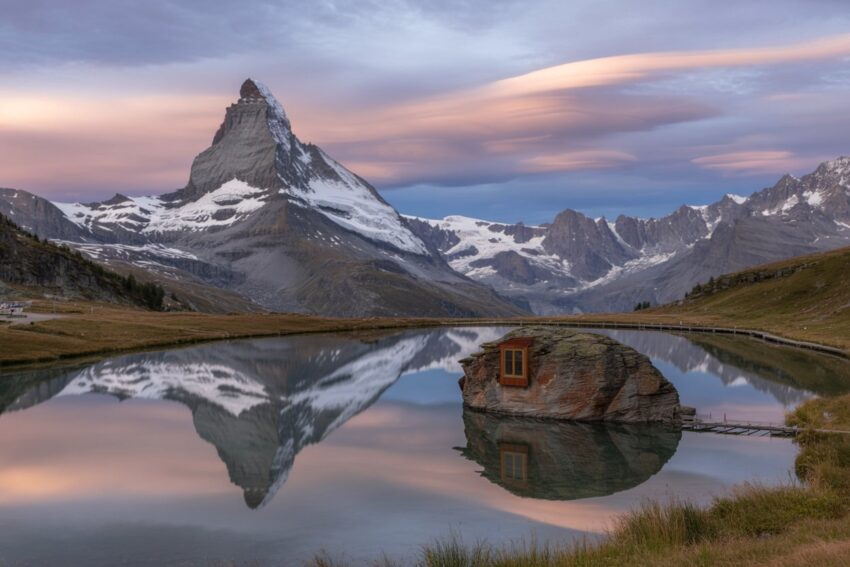
Switzerland, with its pristine landscapes, charming cities, and iconic Alpine destinations, has become a popular tourist haven. However, the country has increasingly recognized the need to manage overtourism to preserve its natural beauty and quality of life for residents. To mitigate overcrowding and preserve fragile environments, Switzerland has introduced visitor caps at certain tourist hotspots, such as the Jungfraujoch and Zermatt. These caps limit the number of visitors to iconic sites, ensuring that the infrastructure can handle the influx without damaging the environment. Additionally, Swiss authorities have introduced fines for behavior that disrupts local life, such as illegal camping, littering, and damage to natural habitats. These fines encourage tourists to respect the environment and local communities. Switzerland has also implemented strict regulations on mass tourism, including promoting off-season travel and encouraging visitors to explore less-frequented destinations, thereby spreading out tourism across the year and reducing pressure on high-traffic locations. Furthermore, tourist taxes are levied in certain regions to fund conservation projects and sustainable infrastructure development. By integrating environmental stewardship with tourism management, Switzerland is leading the way in ensuring that its natural treasures remain intact for future generations.
| Measure | Details |
|---|---|
| Visitor Caps | Limits on the number of visitors at sites like Jungfraujoch and Zermatt to preserve the environment. |
| Fines for Disruptive Behavior | Fines for illegal camping, littering, and damage to natural habitats. |
| Regulations on Mass Tourism | Promoting off-season travel and encouraging visits to less crowded destinations. |
| Tourist Taxes | Taxes to fund conservation and sustainable infrastructure projects. |
In 2026, Switzerland joined Italy, France, Greece, Spain, Iceland, and others in enforcing visitor caps, fines, and new rules to tackle overtourism. These measures aim to preserve cultural heritage, protect the environment, and manage rising tourist pressures.
Conclusion
Switzerland’s new decision to join Italy, France, Greece, Spain, Iceland, and others in enforcing visitor caps, fines, and new rules in 2026 marks a significant step in the fight against overtourism. These measures are not only necessary but vital to preserve the integrity of cultural and natural landmarks across Europe. By introducing stricter controls, these countries are proactively addressing the pressures that have long been felt by popular tourist destinations. The collective effort to regulate tourism through visitor limits and fines ensures that tourism can continue to thrive, but in a more sustainable and responsible manner. This shift is crucial in maintaining a balance between economic benefits and the preservation of our heritage and environment, securing a brighter future for both local communities and travelers alike.
The post Italy Joins France, Switzerland, Greece, Spain, Iceland, and Others in Enforcing Visitor Caps, Fines, and New Rules to Tackle Overtourism Across Europe in 2026: Everything You Need to Know appeared first on Travel And Tour World.
