
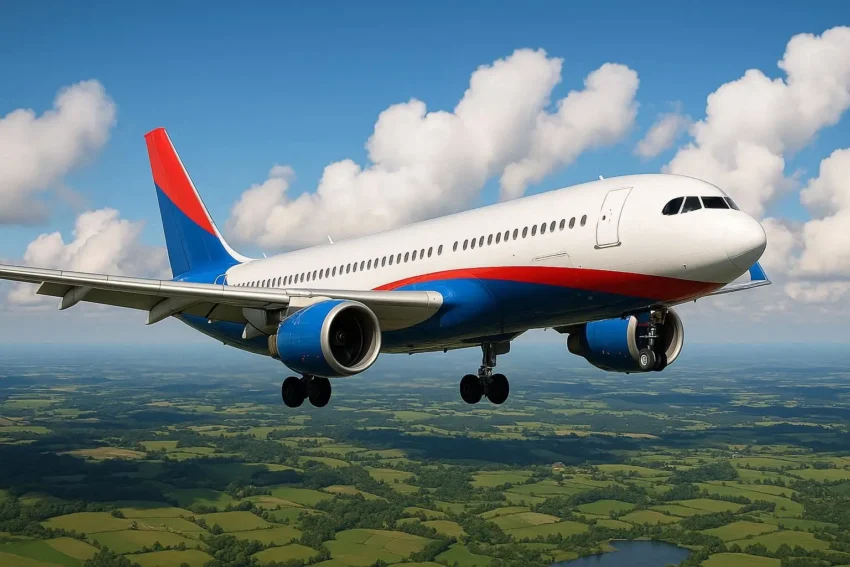

Long-haul air travel originating from the United States has been significantly affected as United Airlines adjusts its widebody operations due to persistent technical challenges involving the Boeing 777 fleet. A substantial portion of these aircraft, powered by Pratt & Whitney PW4000-112 engines, has been placed into long-term storage as maintenance demands and parts shortages continue to strain availability. These developments are being closely monitored across key international travel markets in Europe, Asia, and island destinations such as Hawaii, where capacity, frequency, and reliability are essential to tourism flows. The situation reflects broader challenges facing aging widebody fleets worldwide, particularly those serving extended overwater routes that depend on strict regulatory approvals. While no immediate retirements have been announced, the gradual removal of aircraft from active service is reshaping network planning, seasonal schedules, and traveler options. As the global aviation ecosystem remains interconnected, operational disruptions within a major US carrier are being felt well beyond national borders, influencing tourism demand, route viability, and long-term fleet modernization strategies.
Widespread Storage of Pratt Powered Boeing 777 Aircraft
Multiple Boeing 777 aircraft operated by United Airlines have been moved into long-term storage facilities, with Victorville, California serving as a primary location. These aircraft are not being permanently retired, but their return to service remains uncertain due to constrained engine availability. The decision has been driven by the growing difficulty of sustaining reliable operations using PW4000-112 engines, particularly on aircraft that have been in service for more than two decades.
United Airlines operates a total of 96 Boeing 777 aircraft, including 22 Boeing 777-300ERs, 55 Boeing 777-200ERs, and 19 Boeing 777-200s. Of these, 52 aircraft rely on Pratt & Whitney engines inherited from legacy United operations prior to the Continental merger. This makes United Airlines the only carrier in the United States operating Boeing 777 aircraft with this engine type, creating a unique exposure to ongoing reliability concerns.
Aging Fleet and Maintenance Constraints
The average age of the Boeing 777-200 fleet has reached 27.5 years, while the 777-200ER fleet averages nearly 25 years. Older aircraft typically require more frequent inspections and specialized parts, both of which are in limited supply. Spare engines have become increasingly scarce, and maintenance shop capacity has been stretched, resulting in otherwise airworthy aircraft remaining idle for extended periods.
As global air travel demand continues to recover across destinations in Europe and Asia, the inability to fully utilize these high-capacity aircraft has limited United Airlines’ flexibility in responding to seasonal tourism peaks. Routes that traditionally rely on high-density configurations have been particularly affected.
Technical Background of the PW4000 Engine Issue
The Pratt & Whitney PW4000-112 engine has been associated with multiple fan blade failures over the past decade. These blades are hollow by design, and fatigue cracks can develop on internal surfaces that cannot be detected through standard visual inspections. When such cracks propagate, blade separation can occur, leading to severe engine damage and potential safety hazards.
Following earlier incidents, the Federal Aviation Administration issued an emergency airworthiness directive in 2021. This directive mandated the use of advanced imaging techniques for inspections, significantly increasing inspection time and frequency. Each inspection cycle removes aircraft from service, further reducing availability during peak travel seasons.
Regulatory Oversight and Modification Timelines
Boeing and Pratt & Whitney have been working under FAA supervision to implement integrated design improvements addressing both engine and airframe considerations. The FAA has required that these modifications be fully incorporated by March 2028. Requests for additional time have been submitted by both Boeing and United Airlines, reflecting the complexity of the required changes.
Until these long-term solutions are completed, aircraft must continue cycling through repeated inspections. As a result, many Boeing 777s remain grounded not due to immediate safety concerns, but because of the logistical burden imposed by compliance requirements.
Historical Incidents Shaping Current Policy
Previous engine failures have played a critical role in shaping the current regulatory environment. In February 2018, United Flight 1175 experienced a fan blade separation near Hawaii, leading to visible structural damage during approach to Honolulu. In February 2021, United Flight 328 suffered a catastrophic engine failure shortly after departing Denver, scattering debris over a residential area.
These incidents prompted widespread fleet groundings and initiated a multi-year inspection and modification program. More than 50 aircraft were removed from service during this period, highlighting the scale of disruption caused by engine reliability concerns.
Network and Tourism Consequences
Boeing 777 aircraft serve two essential roles within the United Airlines network. They support high-density leisure routes where seat capacity is critical and operate long-haul international services where range and payload are indispensable. As aircraft are removed from service, substitutions with smaller widebody aircraft such as the Boeing 787 or 767 have been required.
These substitutions often result in reduced seat availability, fewer frequencies, or complete route cancellations. Previous constraints led to delayed or canceled services such as Washington Dulles to Dakar and Newark to Stockholm, demonstrating how quickly fleet limitations can translate into reduced connectivity for international travelers.
Risks to Extended Overwater Operations
Extended overwater operations are governed by strict FAA reliability thresholds based on in-flight shutdown rates. Approval levels vary depending on diversion time, with the most stringent standards applying to flights exceeding 180 minutes from a diversion airport. Because the total engine-hour base for the affected fleet is limited, even a single additional shutdown can significantly increase calculated rates.
If reduced diversion authority were imposed, affected Boeing 777 aircraft would be restricted from transpacific routes, Hawaii services, and certain transatlantic operations. This would further constrain tourism flows between the United States, Japan, Europe, and other long-haul markets.
Path Toward Restoring Full Capability
Restoring higher diversion-time approval requires sustained reliability performance, an FAA-approved maintenance program, and demonstrated results over time. Even after regulatory milestones are achieved, ongoing parts shortages may continue to limit aircraft availability.
As a result, United Airlines may face prolonged operational constraints, influencing long-term fleet planning and accelerating the transition toward newer, more efficient widebody aircraft. For global travelers, these developments underscore the importance of fleet modernization in maintaining reliable international connectivity.
The post United States Aviation and Global Travel Impact: United Airlines Grounds Boeing 777 Fleet Amid Engine Reliability Crisis Affecting Transpacific and Transatlantic Tourism appeared first on Travel And Tour World.
