
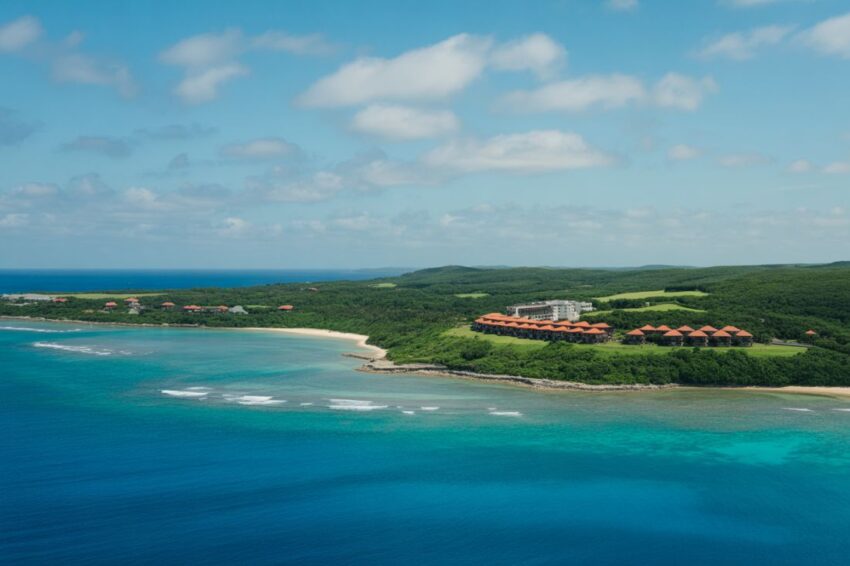
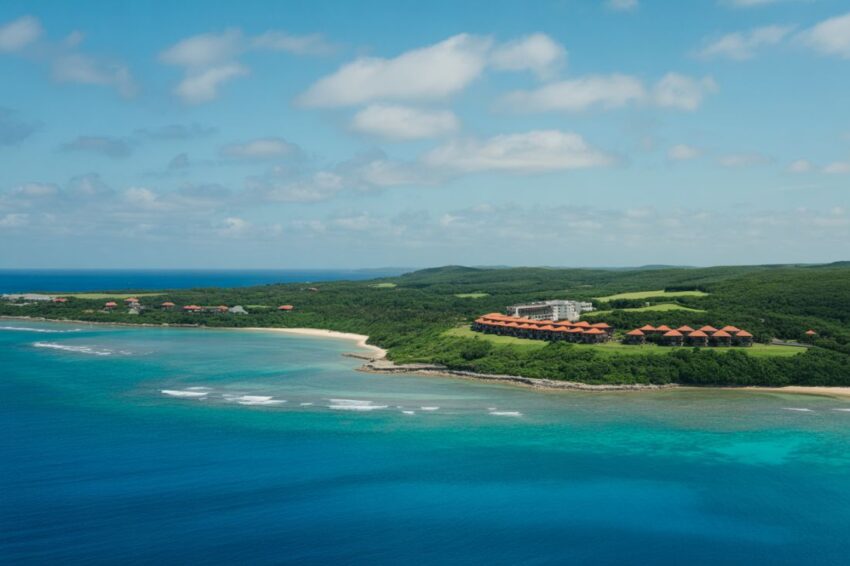
Okinawa, at the same time being one of the most treasured places among Japanese tropics, is quietly and powerfully driving the change in sustainable tourism. The natural beauty of Okinawa, which includes its clean beaches, rich underwater life, and active local culture, has been attracting eco-friendly tourists who want to experience and see its nature up close for a considerable time now. Nevertheless, as such environmental issues as elevation of sea levels, bleached coral reefs, and global warming become more and more serious, the island’s plan to do tourism in a more eco-friendly way has begun to take its course and it is even giving environmental health the upper hand over modern comforts.
Okinawa’s Commitment to Sustainability in the Tourism Industry
Okinawa’s idyllic setting with turquoise waters, lush greenery, and an abundance of endemic species is undeniably at risk. Rising sea temperatures, powerful typhoons, and shifting rainfall patterns have taken their toll on the region’s fragile ecosystems, particularly its coral reefs, which are among the most diverse in the world. The prefecture, understanding the urgency of preserving its natural resources, has launched ambitious sustainability initiatives aimed at reducing the tourism industry’s environmental impact.
In recent years, Okinawa’s luxury resorts have begun adopting sustainable practices that are reshaping the future of tourism on the island. The Hoshinoya Okinawa resort, for instance, situated along the coast of Yomitan village, is a prime example of how the hospitality sector is adapting to these challenges. The resort’s design focuses on conservation, with no seawalls to disrupt the natural coastline and existing vegetation meticulously preserved. The low-rise modernist villas blend seamlessly into the landscape, making minimal impact on the environment while offering guests an intimate connection with nature.
Innovative Sustainable Practices Across Okinawa’s Resorts
Okinawa’s resorts are not just focused on preserving the environment; they are actively engaging guests in sustainability efforts. The Halekulani Okinawa, for example, offers hands-on educational sessions for guests, teaching them about the region’s unique environmental challenges. The resort’s Honey & Coral Project tackles soil erosion, which threatens the reefs, by stabilising the red soil with vegetation, thus reducing runoff and protecting the marine ecosystem. These initiatives exemplify how resorts in Okinawa are not only providing luxury experiences but also fostering a deeper connection between tourists and the environment.
On the island of Ishigaki, Fusaki Beach Resort Hotel & Villas has gone a step further by eliminating plastic water bottles and opting for reusable glass alternatives. This eco-friendly shift is part of the resort’s broader sustainability efforts, which also include offering ocean-friendly sunscreen, using biodegradable materials for amenities, and integrating local culture into the guest experience. By encouraging visitors to partake in activities like traditional Okinawan performances and the Lunar Bon Festival, Fusaki Beach Resort is not just reducing its environmental footprint, it is enriching the cultural experience of its guests.
Okinawa’s Carbon-Negative Treehouses and the Push for Renewable Energy
One of the most groundbreaking projects in Okinawa’s sustainability movement is the Treeful Treehouse Sustainable Resort, located deep in the Yanbaru region. The resort’s treehouses are built on living trees, creating carbon-negative structures that offer a unique and immersive eco-tourism experience. Solar panels generate surplus power, which is fed back into the local grid, while the resort’s water is drawn from the Genka River and UV-purified. The elevated designs allow local wildlife to move freely, ensuring that the resort’s operations don’t disrupt the natural habitat.
This commitment to renewable energy extends beyond individual resorts. Okinawa Prefecture has introduced infrastructure to support electric vehicle (EV) tourism, including charging stations and the promotion of EV taxis. These initiatives reduce carbon emissions and offer tourists an environmentally friendly way to explore the island. By fostering the use of electric vehicles and promoting sustainability, Okinawa is proving that it is possible to enjoy a modern, comfortable travel experience while still being environmentally responsible.
Blue Zone Wellness Meets Sustainability in Okinawa’s Resorts
Okinawa’s emphasis on sustainability extends beyond the environment and into the wellness of its residents and visitors. The island is home to one of the world’s renowned blue zones, areas where people live significantly longer lives due to their healthy lifestyles. Okinawa’s resorts, like Hoshinoya Okinawa, integrate this blue-zone philosophy into their offerings by promoting wellness alongside environmental conservation. The resort’s meals, for instance, feature local herbs and ingredients like goya (bitter melon) and shikuwasa citrus, both known for their health benefits. Matsubara highlights that the resort encourages a balanced lifestyle.
In response to the growing pressures of modern, fast-paced lifestyles, the island’s luxury resorts are providing an antidote to the hustle and bustle of urban Japan. These sanctuaries are helping guests unwind while ensuring that sustainability remains at the core of the experience.
The Challenges of Sustainable Tourism in Okinawa
However, the pursuit of sustainability in Okinawa faces significant challenges. While the resorts and local communities have made tremendous strides in reducing environmental impact, the broader tourism industry continues to place pressure on Okinawa’s ecosystems. Mass tourism, particularly from international flights and cruise ships, contributes to carbon emissions and environmental degradation. The influx of visitors also strains local infrastructure and demands for imported goods, which further exacerbates the island’s ecological footprint.
Despite these challenges, Okinawa’s commitment to sustainable tourism is clear. The combined efforts of local resorts, government initiatives, and community organisations are working towards creating a more eco-friendly tourism model. This holistic approach includes everything from coral-safe sunscreen regulations to renewable energy adoption, and it sets a strong example for other destinations in Japan and beyond.
A Greener Future for Okinawa and Japan
Okinawa has made an inspiring and challenging path to sustainable tourism. The duty of the island hard at eco-friendly luxury travel is completely on the resorts like Hoshinoya Okinawa, Treeful Treehouse, and Halekulani Okinawa, which have environmentally friendly operations. Okinawa has increased its resort-type tourism daintily amidst the ongoing war against global warming. Every step of the island’s eco-tourism strategy speaks up for the preservation of nature, culture, and resources on the island. To the delight of other parts of Japan and the world, Okinawa keeps evolving into a model of sustainable tourism, offering a layout for eco-friendly luxury vacations, proving the indulgent aspect of the trip does not have to spoil the environment.
The post Okinawa and Japan’s Sustainable Tourism Movement: A New Era Of Eco-Conscious Travel! appeared first on Travel And Tour World.
