
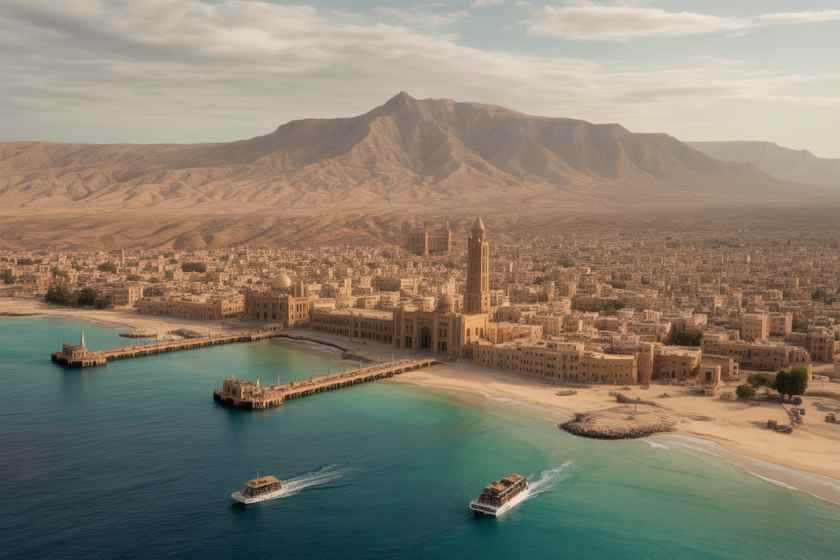
Libya has seen a remarkable recovery in its tourism sector, with 282,000 tourists visiting the country in the first half of 2025. This resurgence comes after several years of instability following the civil war and armed conflicts that plagued the country from 2020 onward. However, improvements in internal security and the development of key tourist areas have provided a boost to the tourism industry, positioning Libya as an emerging destination for international travelers once again.
One of the most notable factors driving this growth is the introduction of an electronic visa system in 2024, which streamlined the application process and made it easier for tourists to visit the country. Previously, the visa process was bureaucratic and time-consuming, often taking several months. With the introduction of the electronic visa system, visitors can now obtain their visas quickly, enabling them to plan their trips with greater ease.
In addition to the visa reforms, the renovation and restoration of Libya’s cultural and historical landmarks have also played a significant role in attracting tourists. Major tourist sites, such as the National Museum in Tripoli and the Old City, have undergone extensive restoration work, making them more appealing to international visitors. These efforts have been bolstered by international support, including from the United Nations Educational, Scientific and Cultural Organization (UNESCO), which has helped to preserve Libya’s rich heritage.
Key Tourist Attractions and Areas in Libya
Libya’s tourism growth is closely tied to the development of several key tourist areas, each offering a unique experience for travelers seeking history, culture, and adventure. One of the most prominent sites in the country is Leptis Magna, a UNESCO World Heritage site located near the Mediterranean coast. Leptis Magna is known for its well-preserved Roman ruins, including grand amphitheaters, temples, and bathhouses. This ancient city offers visitors a chance to step back in time and explore one of the Roman Empire’s most important cities in North Africa.
Another major attraction is the Sabratha Archaeological Site, also a UNESCO World Heritage site. Located to the west of Tripoli, Sabratha is famous for its well-preserved Roman theater, temples, and stunning mosaics. Visitors can explore the ancient ruins while enjoying views of the Mediterranean Sea, making it one of Libya’s most picturesque historical sites.
The capital city, Tripoli, has also seen significant improvements in its tourism infrastructure. The reopening of the National Museum of Libya after 14 years of closure is a testament to the country’s commitment to revitalizing its cultural tourism sector. The museum, which houses a vast collection of ancient artifacts, offers visitors an in-depth look at Libya’s rich history and cultural heritage.
Additionally, Tripoli’s Old City, with its sand-colored buildings, bustling markets, and historical mosques, has undergone extensive restoration, making it a must-see destination for those interested in exploring the country’s traditional architecture and local culture.
Libya’s Emerging Adventure Tourism Scene
Beyond its rich history and cultural heritage, Libya’s diverse landscapes make it an attractive destination for adventure tourism. From the vast Sahara Desert to the Mediterranean coastline, the country offers a variety of opportunities for adventure seekers. The Sahara Desert is a top destination for travelers interested in exploring vast sand dunes, camel treks, and remote desert camps. Libya’s desert regions also feature stunning rock formations and ancient petroglyphs that provide a glimpse into the country’s prehistoric past.
For those looking for coastal adventures, Libya’s beaches along the Mediterranean coast offer crystal-clear waters, perfect for diving, snorkeling, and sailing. The beaches near Tripoli and the towns of Zuwara and Misurata are known for their tranquility and scenic beauty, offering travelers a peaceful escape with a variety of water activities.
Libya’s Efforts to Enhance Security and Attract Tourists
While Libya’s tourism industry has seen impressive growth, the country is still regarded as a challenging destination due to its security concerns. However, the government has made substantial efforts to improve internal security, which has helped to foster a safer environment for international tourists. Increased investments in infrastructure, security personnel, and tourism-specific initiatives have contributed to this positive shift, allowing travelers to visit key tourist sites with greater peace of mind.
Libya’s tourism growth is also linked to broader initiatives aimed at economic recovery. The government’s focus on diversifying its economy away from oil dependency has led to more investments in tourism, particularly in the areas of infrastructure, heritage conservation, and local hospitality. These efforts aim to provide tourists with a high-quality experience while also promoting sustainable tourism practices that benefit local communities.
Challenges and Opportunities for Libya’s Tourism Future
Despite the tourism growth, Libya still faces significant challenges in terms of its reputation as a safe and reliable destination. Travel advisories from international governments and ongoing political instability remain potential barriers for some tourists. However, the country’s recent successes in rebuilding its tourism sector show that there is potential for continued growth, particularly if the security situation improves and international cooperation continues.
One of the key opportunities for Libya is the growing interest in cultural and adventure tourism, which aligns with global trends. As travelers increasingly seek authentic and off-the-beaten-path experiences, Libya’s rich cultural heritage, historical landmarks, and natural beauty offer a compelling draw for those looking to explore less conventional destinations.
Conclusion: Libya’s Tourism Sector on the Rise
Libya’s tourism sector is on a path of recovery and growth, with the country now welcoming more international visitors than in recent years. The introduction of the electronic visa system, alongside extensive restoration projects and security improvements, has created a more attractive environment for tourists. With its fascinating history, diverse landscapes, and emerging adventure tourism offerings, Libya is becoming a more appealing destination for those looking to experience something unique and authentic.
As the country continues to invest in its tourism infrastructure and foster a safer environment for travelers, Libya has the potential to become one of North Africa’s most sought-after travel destinations in the coming years.
The post Why Libya Is Emerging as North Africa’s New Hotspot for Cultural and Adventure Tourism appeared first on Travel And Tour World.
