
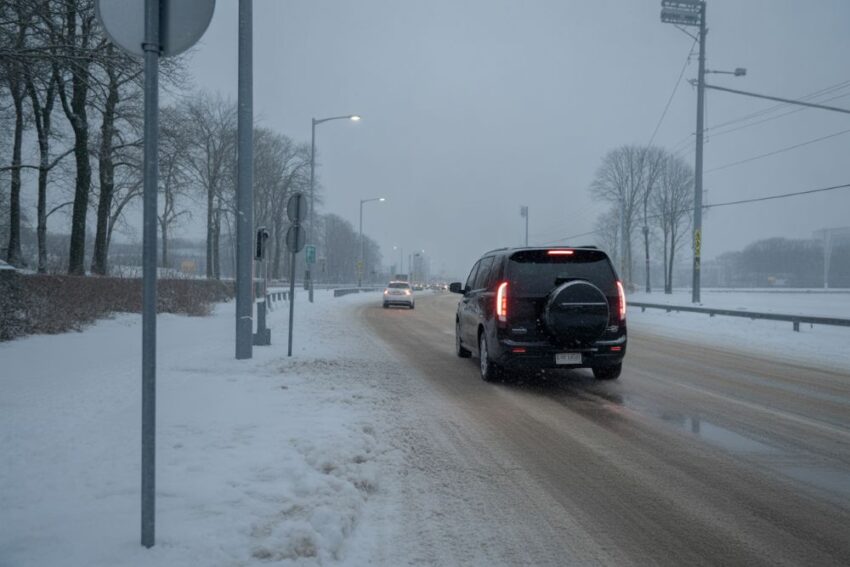

Buffalo, New York, US is bracing itself for what might turn out to be the season’s most disruptive winter weather event as a prolonged winter storm takes over Western New York, resulting in an official Travel Advisory for Erie County and Buffalo. Heavy snow, extremely low temperatures, and travel that might become the case of life-threatening conditions are what the National Weather Service predictions hold for the week, and these will even affect the locals, commuters, and tourists. The storm would impact the movement of people in the main tourist destinations such as downtown Buffalo, Niagara Falls, Lake Erie shore towns, and the counties around them.
Winter Storm Warning: Official Forecast and Expected Conditions
The National Weather Service (NWS) Buffalo office has issued a Winter Storm Warning for Buffalo, Erie County, Niagara, Orleans and Genesee counties, active from early Sunday afternoon until Wednesday afternoon. The warning is based on official model guidance showing heavy lake‑enhanced snow bands developing over Lake Erie and sweeping across the region. Snowfall rates could reach up to 2 inches per hour at times, with total accumulations of 10 to 20 inches expected where the heaviest bands persist. Levels could vary locally, with sharper totals downwind of Lake Erie’s south‑western shores. Wind chills are forecast to plunge well below freezing, creating harsh Arctic cold together with the snow.
Travel Advisory Issued: Roads, Highways and Public Transit at Risk
In response, Erie County officials announced a Travel Advisory beginning at 10 p.m. Sunday, urging motorists and travellers to avoid all non‑essential travel. Authorities highlighted that roadways could quickly become treacherous due to accumulating snow and ice. Conditions will likely worsen Monday and Tuesday, significantly impacting travel for both local commuters and long‑distance travellers passing through the Buffalo metropolitan area. State road condition updates already show snow and ice on key corridors including the I‑190 Niagara Thruway around Buffalo, underscoring the risk for slippery surfaces and poor visibility.
Local Preparedness: Municipal Resources and Public Works Ready
Buffalo and Erie County officials have mobilised extensive resources in preparation. Dozens of ploughs, thousands of tons of road salt, and numerous public works crews are on standby to maintain primary and secondary routes. Additional contractors and heavy equipment stand ready to support snow removal operations should conditions deteriorate further. Residents were advised to clear alternate parking zones and cooperate with alternate side parking regulations to support thorough clearing of neighbourhood streets.
Getting It Right: What the NWS Forecast Shows
According to the National Weather Service Buffalo forecast, snow showers and heavy bands will continue through Monday and into Tuesday, with intermittent accumulation and drifting snow expected. Meteorologists emphasise that wind gusts could exceed 45–50 mph, creating dangerous blowing snow and possible white‑out conditions. Prolonged snow showers and cold will likely maintain hazardous travel conditions well into mid‑week.
Key Tourist Destinations Likely Affected by the Storm
Tourists planning to visit or currently in the region should note that several major destinations may be impacted:
• Niagara Falls State Park and Observation Points – Roads and pedestrian areas could be icy and slippery.
• Canalside and Waterfront Areas in Buffalo – Lakeshore winds and blowing snow may reduce visibility.
• Darien Lake Theme Park Vicinity – Access routes may have heavy snowfall.
• Elmwood Village and Historic Districts – Side streets may remain unploughed longer.
• Letchworth State Park (gateway routes) – Secondary roads could be snow‑bound.
Safety Protocols for Tourists: Avoidance and Preparedness
Given the severity of the forecast, visitors should adhere to the following safety protocols:
• Postpone non‑essential travel through the advisory period.
• Monitor official updates on the NWS Buffalo website and local road conditions.
• Avoid lakeshore promenades during high winds and blowing snow.
• Carry winter safety kits in vehicles: blankets, food, water, and a charged mobile phone.
• Seek shelter indoors if caught outside; prolonged exposure can lead to hypothermia.
• Those with health conditions or lacking warm clothing are advised to stay in heated accommodation.
These measures reflect standard winter safety guidance and are crucial in areas of deep snow and severe wind chill.
Public Alert Systems: Staying Informed During the Storm
Officials reiterated the importance of tuning into NOAA Weather Radio or the NWS Buffalo website for continuous updates, including watches, warnings and advisories. These systems also broadcast hazardous weather outlooks, which may evolve as new data arrives. Given the potential for rapidly changing conditions, tourists and residents are encouraged to activate weather alerts on mobile devices and plan flexible travel arrangements.
Bottom Line
Buffalo, New York, and the surrounding Erie County region are getting ready for a significant winter storm. The forecasts from the weather service and the advisories from the emergency management department highlight that the situation will be difficult and changing until the middle of the week. Heavy snowfall, low temperatures, and strong winds will make it hard for people to travel and move about in the cities and countryside. It is suggested that both tourists and locals keep themselves updated, follow the safety measures and stock up for the winter weather that is to come. Following the official recommendations might save people from getting unnecessarily exposed and the community will be kept until the situation calms down.
The post New York’s Erie County Faces Severe Winter Storm Along With Heavy Snow And Cold Temperatures: What Tourists Need To Know appeared first on Travel And Tour World.
