
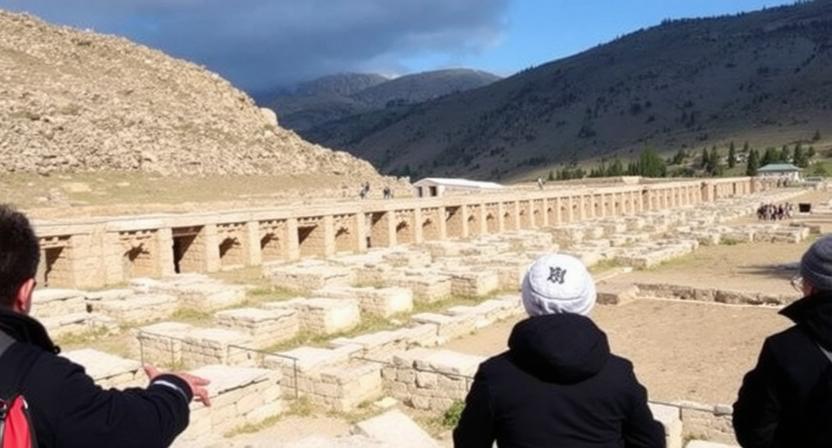

Turkey is preparing for a new phase of cultural tourism growth by intensifying promotional efforts aimed at Chinese travelers, with a strong focus on Göbeklitepe-the twelve-thousand-year-old archaeological site recognized worldwide as one of humanity’s earliest known centers of civilization. Located in Şanlıurfa and inscribed on the UNESCO World Heritage List, Göbeklitepe is now at the heart of Turkey’s strategy to attract visitors from one of the world’s largest outbound tourism markets.
This new push comes after the introduction of visa-free travel for People’s Republic of China citizens and is a policy move foreseen to significantly increase tourism inflows from East Asia, starting in 2026. Official statements published through government channels describe this decision as a turning point for expanding Turkey’s reach in long-haul cultural tourism markets.
Visa-Free Access Unlocks New Momentum for Cultural Tourism
The removal of visa requirements for Chinese citizens is expected to become a powerful catalyst for international visitor growth, especially for destinations centered on heritage, archaeology, and ancient civilizations. Chinese travelers are widely known for their deep interest in history-driven travel, making Göbeklitepe a natural attraction for this audience.
Government tourism projections indicate that simplified entry procedures will encourage higher visitor volumes, longer stays, and increased tourism spending, delivering broader economic benefits across Şanlıurfa and surrounding provinces. Visa facilitation is increasingly viewed by public tourism authorities as one of the most effective tools for unlocking new long-distance markets.
Şanlıurfa Positioned as a Prime Destination for East Asian Visitors
According to information shared through government-verified tourism platforms, Şanlıurfa holds strong appeal for travelers from China and the Far East due to its concentration of prehistoric sites, living traditions, and distinctive cultural identity. Preparatory efforts are already underway to adapt promotional materials, destination storytelling, and visitor services to better align with the expectations of Chinese tourists.
Rather than promoting Göbeklitepe as a standalone attraction, authorities are positioning Şanlıurfa as a wider cultural landscape, encouraging travelers to explore multiple sites and experiences. This approach supports Turkey’s broader tourism policy of spreading visitor flows beyond established destinations and promoting regional tourism development.
Stone Hills Project Anchors Global Promotion Strategy
A central element of upcoming promotional campaigns will be the Şanlıurfa Stone Hills Project, a government-led initiative linking Göbeklitepe with other nearby prehistoric excavation sites. Planned marketing efforts in 2026 and 2027 will highlight the region as a connected archaeological zone, presenting visitors with a deeper and more immersive historical narrative.
By promoting a network of sites rather than a single monument, authorities aim to increase visitor dwell time, stimulate demand for guided tours, and enhance the overall tourism impact on the local economy. Government planning documents emphasize that integrated destination development is essential for achieving sustainable tourism growth while safeguarding archaeological heritage.
Tourism Sector Anticipates Strong Economic and Cultural Impact
Government-aligned tourism operators and regional stakeholders remain optimistic about the expected rise in Chinese arrivals. Chinese travelers rank among the most active globally, known for frequent travel, strong engagement with destinations, and a keen interest in photography, gastronomy, and cultural experiences.
Şanlıurfa’s blend of archaeological depth, traditional cuisine, and authentic urban life positions the city as a destination well suited to these preferences. Increased visitation is expected to support hotels, licensed guides, transport providers, restaurants, and local producers, reinforcing tourism as a driver of regional economic growth.
Cultural Cooperation Strengthens Tourism Foundations
Beyond visitor numbers, official sources indicate that China has shown growing interest in supporting archaeological and cultural initiatives in the Şanlıurfa region, particularly within the framework of the Stone Hills Project. This cooperation includes contributions in expertise, research collaboration, and professional exchange, reflecting a deeper level of cultural partnership.
Such cooperation strengthens Turkey’s visibility and credibility in the Chinese market while supporting the long-term preservation and interpretation of its archaeological assets. Government tourism policy increasingly recognizes that international collaboration enhances not only tourism volumes but also quality and sustainability.
Global Tourism Growth and Turkey’s Long-Term Vision
As global travel continues to expand, Turkey is aligning its tourism strategy with long-haul cultural markets rather than relying solely on traditional regional demand. China’s position as the world’s largest cultural tourism source market makes it a strategic priority within this long-term vision.
By combining visa facilitation, targeted international promotion, and integrated destination planning, Turkey aims to elevate Göbeklitepe from a renowned archaeological site to a global cultural tourism anchor. This approach supports national goals of diversifying tourism revenues, reducing seasonality, and strengthening Turkey’s role in the international tourism economy.
Göbeklitepe Emerges as a Global Cultural Tourism Magnet
In the wake of such an uptick in focus on Chinese tourists, it signals a very significant shift in how Turkey positions Göbeklitepe and Şanlıurfa on the global stage. Supported by visa-free travel, government-led promotion, and international cultural cooperation, the region is poised to welcome a new wave of visitors seeking meaningful, history-rich travel experiences.
If current expectations come to fruition, 2026 may mark the beginning of steady growth for Göbeklitepe as a flagship destination within global cultural tourism. More importantly, it reflects Turkey’s wider commitment to building a model of tourism rooted in heritage, sustainability, and long-term economic impact-ensuring that one of humanity’s oldest sacred landscapes continues to inspire travelers from around the world.
The post Turkey Boosts Promotion of Göbeklitepe in China as Visa-Free Travel Fuels Cultural Tourism Growth and Expands Global Visibility appeared first on Travel And Tour World.
