
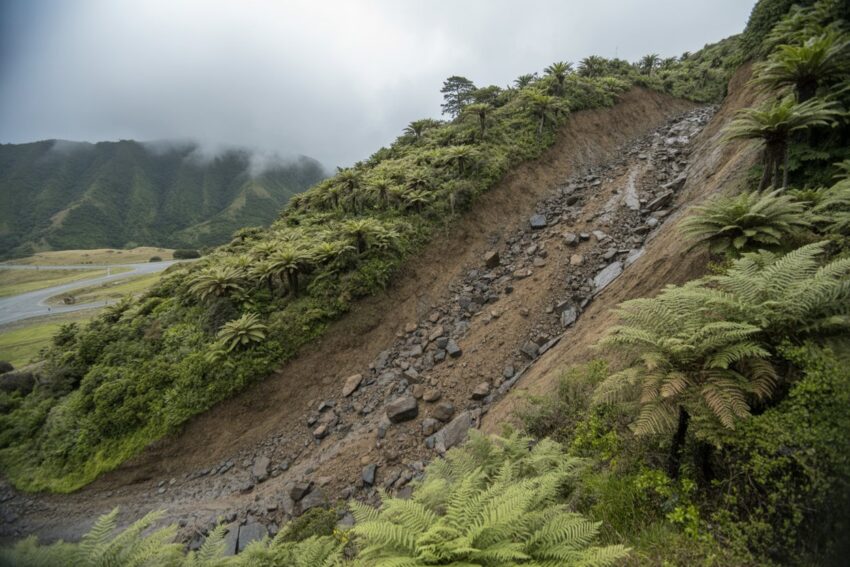

As travellers worldwide look to Aotearoa New Zealand for its stunning landscapes, outdoor experiences and cultural richness, recent weather‑related disasters and updated travel guidance have brought safety considerations front and centre. After heavy rains triggered landslides in the Bay of Plenty region, including near Mount Maunganui, authorities and travel bodies have been issuing updated advice for visitors, emphasising preparedness, local travel conditions and official precautions before booking or setting off. These developments illustrate how changing weather and natural events can intertwine with travel planning in this beautiful Pacific destination.
New Zealand’s travel environment remains generally welcoming and safe for tourists, but events like landslides and fluctuating weather patterns mean visitors should stay informed, adjust plans if needed, and respect guidance from local safety authorities.
Mount Maunganui Landslides Prompt Official Travel Attention
Recently, persistent heavy rainfall across New Zealand’s North Island caused severe ground instability, which culminated in fatal landslides near Mount Maunganui — a popular tourist region known for beach walks, hiking and outdoor recreation. At least two people have been confirmed dead and several others are missing after mud and debris cascaded through campgrounds and suburban areas. Emergency responders continue to search unstable terrain, while residents and visitors are urged to stay clear of affected zones.
The local New Zealand Transport Agency (NZTA) and regional emergency management groups have closed some roads and hiking trails as a safety measure, and have recommended that travellers avoid non‑essential travel in high‑risk areas until conditions stabilise. Authorities emphasise that weather systems remain dynamic, and that risks such as flooding and additional slips could occur.
These natural events underscore the importance of monitoring official channels like New Zealand’s SafeTravel.govt.nz portal, which provides updates on domestic and international travel advice, including alert levels and emergency notices.
Official Travel Advice: What the New Zealand Government Recommends
New Zealand’s SafeTravel service outlines four advisory levels designed to help travellers assess risk and plan effectively: 1) Exercise normal safety and security precautions; 2) Exercise increased caution; 3) Avoid non‑essential travel; and 4) Do not travel. These levels are based on current information about safety, weather, infrastructure and emergency response.
As of early 2026, authorities have not issued a blanket warning against all travel to New Zealand, but recent events have highlighted the need for situational awareness. Overseas travellers are encouraged to check with their national travel advisory services — such as the UK Foreign, Commonwealth & Development Office (FCDO), which regularly updates its safety and security guidance for New Zealand — to see how current conditions might affect travel plans.
The Australian Department of Foreign Affairs and Trade (DFAT) also continues to advise that visitors should exercise normal safety precautions while in New Zealand, emphasising that travelers must complete the New Zealand Traveller Declaration Form (NZTD) before arrival and be prepared for environmental risks like earthquakes, weather changes and outdoor hazards.
Weather Patterns and Risks: Beyond the Slips
Beyond the recent landslide events, New Zealand experiences a variety of natural phenomena that can impact travel. Government meteorological services like MetService routinely issue red weather warnings when conditions are severe. These warnings indicate extreme weather — such as torrential rain, high winds or flooding — that can pose threats to life, property and travel infrastructure.
Landslides and flooding tend to be most pronounced after prolonged rainfall, particularly in hilly or coastal zones on the North Island and upper South Island. Travellers planning outdoor activities like hiking, cycling or coastal excursions are urged to check local weather forecasts, heed trail closures, and avoid unstable slopes or river crossings.
In addition to weather impacts, travellers should be mindful of standard outdoor risks, including earthquakes and volcanic activity, which are part of New Zealand’s natural environment. Hiking in national parks, for example, can involve variable conditions, and travellers are advised to carry appropriate gear, inform others of planned routes, and stay updated on emergency instructions from park authorities.
Health and Security Considerations for Today’s Tourist
New Zealand generally ranks as a safe destination for international visitors, with low violent crime rates and robust public safety systems. Petty crime — such as pick‑pocketing in urban centres — occurs at levels similar to many other Western destinations, and travellers are advised to secure valuables and stay aware of surroundings in crowded areas.
Health precautions are also recommended. In recent times, New Zealand has experienced a measles outbreak, prompting public health authorities to stress that travellers ensure their vaccinations are up to date before arrival. While the outbreak was controlled and cases fell, routine immunisation and awareness of local health advisories help protect visitors and communities alike.
For broader health guidance, official New Zealand tourism and government sites provide recommendations on travel insurance, emergency contacts, and common precautions to ensure a safe and healthy visit.
Humanising the Journey: Stories from Visitors and Locals
Travellers who reached out to local guides describe New Zealand as a place of dramatic natural beauty and warm hospitality. One group of hikers from overseas said they planned to continue with their South Island itinerary, but were adjusting plans after checking updated safety advice and trail conditions — grateful for quick access to official warnings and local ranger information. Another couple delayed their North Island coastal tour after a landslide was reported near their first stop, choosing instead to explore cultural sites in Wellington and Rotorua first.
Locals emphasise that while events like landslides are rare, they are treated seriously by emergency services and that community resilience and preparedness are strong. Many hospitality professionals are working closely with tourism operators to support visitors through itinerary changes and safety information, ensuring that the travel experience remains rewarding even when nature shifts rapidly.
Conclusion: Stay Informed, Stay Safe, Explore Confidently
New Zealand continues to be a compelling travel destination, with rich landscapes, vibrant cultures and outdoor adventures drawing visitors from around the world. The recent landslides near Mount Maunganui and related weather alerts illustrate how dynamic environmental conditions can influence travel safety — but with up‑to‑date official guidance and personal preparedness, tourists can still plan unforgettable journeys. By monitoring government travel advisories, respecting local warnings, and taking sensible precautions, visitors can embrace the beauty of New Zealand while staying safe and informed.
The post NEW ZEALAND TRAVEL SAFETY 2026: Latest Guidance After Deadly Landslides and Weather Alerts – What Tourists Must Know! appeared first on Travel And Tour World.
