
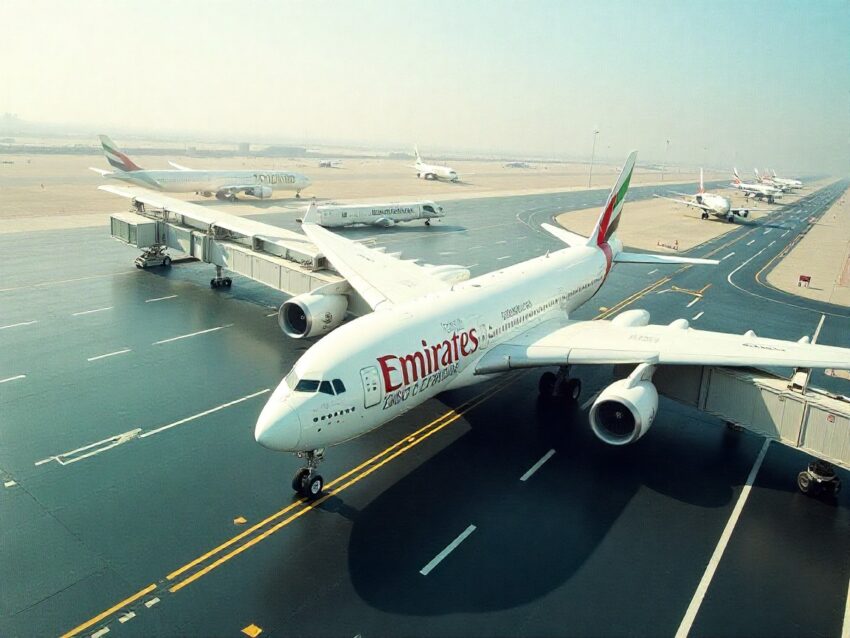

Emirates Airlines, British Airways, and Air India are no longer just serving the UAE, they are actively shaping its next phase of global travel growth. As Dubai and the wider UAE accelerate investments in airport infrastructure, metro connectivity, workforce development, and future-ready urban air mobility, these carriers are positioning themselves at the center of a rapidly evolving travel ecosystem built for rising international demand. Passenger volumes into the UAE continue to rank among the highest in the world, driven by strong inbound traffic from India, the UK, the United States, and the wider Middle East, prompting airlines to add capacity, increase frequencies, and deploy widebody aircraft on key routes. At the same time, hotel giants such as Marriott are expanding aggressively to capture a growing wave of leisure and business travelers drawn by year-round connectivity, premium experiences, and seamless airport access. With new ground transport links to Al Maktoum International Airport, record hotel occupancy during peak seasons, and electric air taxi services scheduled to launch by the end of 2026, the UAE is rapidly transforming from a major aviation hub into one of the most integrated travel destinations on the planet. For tourists, this convergence means faster arrivals, more flight options, smarter mobility across the city, and a hospitality landscape designed around convenience, comfort, and choice, making the UAE not just a stopover, but a destination built for the future of global travel.
Emirates Airlines Joins British Airways, Air India & Etihad in Betting Big on the UAE:
Dubai is entering one of the most transformative chapters in its aviation and tourism story. As Emirates Airlines deepens its long-term commitment to the UAE, global carriers such as British Airways, Air India, and Etihad are also aligning their growth strategies with the country’s ambitious transport vision. New airport connectivity, next-generation urban air mobility, and large-scale workforce investments are reshaping how travelers arrive, move, stay, and experience the destination. For tourists from India, the UK, the US, and beyond, the impact will be felt not just in the sky, but across hotels, resorts, and city experiences.
This is no longer just about flights. It is about how the UAE is designing a seamless travel ecosystem that blends airlines, airports, hotels, and future mobility into one of the world’s most visitor-friendly destinations.
Emirates Airlines Joins British Airways, Air India & Etihad in Betting Big on the UAE
Airlines follow demand, and demand in the UAE continues to rise. Dubai remains one of the busiest international travel hubs in the world, serving tens of millions of passengers every year. Emirates Airlines, the city’s flagship carrier, has built its global reputation on connecting long-haul markets through Dubai. British Airways continues to expand frequencies between London and Dubai to meet strong leisure and business demand. Air India is scaling capacity as outbound travel from India surges. Etihad is strengthening Abu Dhabi’s role as a premium gateway while benefiting from spillover demand across the UAE.
For travelers, this airline confidence translates into more choice, better schedules, and competitive fares. Daily and sometimes double-daily services connect Dubai with major cities such as London, Manchester, New York, Chicago, Mumbai, Delhi, Bengaluru, Los Angeles, and San Francisco. Widebody aircraft dominate these routes, offering lie-flat business class seats, upgraded economy cabins, and improved in-flight entertainment. As passenger volumes grow, airlines are also investing in ground services, lounge upgrades, and smoother transfer experiences at UAE airports.
The strategic shift toward Al Maktoum International Airport in Dubai South is another signal of long-term planning. As capacity gradually expands south of the city, airlines gain room to grow while travelers benefit from modern terminals and improved access links.
Emirates Airlines Joins British Airways, Air India & Etihad in Betting Big on the UAE for Travelers
For tourists, these developments mean easier arrivals and faster connections. Dubai’s transport planners are extending metro services to link Al Maktoum International Airport directly with the city’s rail network. This allows visitors to reach hotels, attractions, and cruise terminals without relying solely on taxis or private transfers.
At the same time, Dubai’s push into urban air mobility is capturing global attention. Electric air taxi services are scheduled to launch by the end of 2026, initially linking key business districts, airport hubs, and tourism zones. While these services will begin as premium offerings, they represent a broader vision of reducing travel time across the city. For travelers with limited time, a flight followed by a short aerial transfer could redefine what a city break looks like.
This level of integration is rare. Airlines, public transport authorities, and mobility startups are aligning their systems so that visitors experience Dubai as a connected destination rather than a collection of separate zones.
India, the UK, and the US Power Dubai’s Tourism Engine
India remains Dubai’s largest international source market. Millions of Indian travelers fly to the UAE each year for holidays, shopping, family visits, and business. Air India and Emirates Airlines both operate extensive networks between Indian cities and Dubai, with multiple daily flights from Mumbai and Delhi and regular services from tier-two cities. This accessibility fuels short-stay tourism, weekend breaks, and repeat visits.
The UK is another cornerstone market. British travelers are drawn by Dubai’s year-round sunshine, luxury hotels, and family-friendly attractions. British Airways and Emirates Airlines offer frequent nonstop services from London, with additional connectivity from regional UK airports via codeshare and partner flights. For UK tourists, Dubai’s expanding hotel inventory and improved transport links make it easier to explore beyond traditional beachfront resorts.
The US market continues to grow steadily. Nonstop flights connect Dubai with major American hubs on both the East and West Coasts. US travelers tend to stay longer and spend more per trip, benefiting high-end hotels, fine dining, and premium experiences. Improved airport access and future air taxi routes will appeal to this segment, particularly business travelers combining work and leisure.
Marriott Hotels, Hilton, and Hyatt Ride the Aviation Wave
The hospitality sector is one of the biggest beneficiaries of the UAE’s aviation expansion. Global hotel groups such as Marriott, Hilton, Hyatt, and Accor are expanding their footprints across Dubai and Abu Dhabi. Marriott alone operates dozens of properties in the city, ranging from luxury beachfront resorts to business-focused hotels near transport hubs.
High occupancy rates during peak seasons reflect sustained demand. Events, exhibitions, and festivals fill hotel rooms, while leisure travelers keep occupancy strong during school holidays and winter months. Improved connectivity encourages shorter, more frequent trips, allowing hotels to attract weekend travelers as well as long-stay guests.
Hotels are also adapting their services to align with aviation growth. Many properties now offer dedicated airport transfers, early check-in for overnight arrivals, and flexible checkout options for late-night departures. As Al Maktoum International Airport expands, new hotel clusters are emerging in Dubai South, designed to serve airline crews, transit passengers, and budget-conscious travelers.
Workforce Investment Strengthens the Travel Experience
Behind the scenes, workforce infrastructure plays a critical role in sustaining tourism growth. Emirates Airlines’ plan to develop a large cabin crew residential community reflects confidence in long-term expansion. A stable and well-supported workforce translates into consistent service quality for travelers.
This investment also signals a broader trend. Airlines, airports, and hotels are planning for future demand by ensuring they have the staff, housing, and training facilities needed to operate at scale. For tourists, this means smoother check-ins, better onboard service, and improved guest experiences across hotels and attractions.
Flight Details Tourists Should Know
Travelers planning trips to Dubai benefit from a dense flight schedule. Nonstop flights from London typically take around seven hours, while services from New York average nearly 13 hours. Flights from Mumbai and Delhi take just over three hours, making Dubai an easy short-haul destination for Indian travelers.
Most long-haul flights arrive in the early morning or late evening, allowing visitors to maximize their stay. Airlines offer multiple cabin classes, including premium economy on select routes. Loyalty programs such as Emirates Skywards and partner schemes allow travelers to earn and redeem miles across airlines and hotel stays.
For transit passengers, Dubai remains one of the easiest hubs to navigate. Short minimum connection times and extensive lounge facilities make layovers comfortable, while visa-on-arrival policies for many nationalities encourage stopover tourism.
Urban Air Mobility Adds a New Travel Layer
Dubai’s upcoming electric air taxi services add a futuristic layer to the travel experience. Designed to operate quietly and without emissions, these aircraft aim to connect airports with key districts in minutes rather than hours. While pricing details are still emerging, early services are expected to appeal to business travelers, luxury tourists, and time-sensitive visitors.
For travelers staying in premium hotels or attending major events, air taxis could reduce travel time dramatically. This aligns with Dubai’s image as a city that embraces innovation while enhancing convenience for visitors.
Tourism Beyond the Airport
Improved aviation infrastructure supports tourism growth across the UAE, not just in Dubai. Travelers can easily combine trips to Abu Dhabi, Sharjah, and Ras Al Khaimah, each offering distinct experiences. Etihad’s network supports Abu Dhabi’s cultural tourism, while regional airports are expanding routes to attract leisure travelers.
For tourists, this means more itinerary options. A single trip can include city sightseeing, desert adventures, beach resorts, and cultural attractions without complex logistics.
Practical Travel Tips for Visitors
Plan flights early during peak seasons, especially winter months, when demand is highest. Consider flexible tickets if arriving late at night or departing early morning. Choose hotels near metro lines or major transport corridors for easier mobility. For short stays, look for airline stopover packages that bundle flights and hotels at competitive rates. Monitor new mobility options as they launch, as early adoption may offer promotional pricing.
A Destination Built for the Future
The UAE’s aviation boom is not a short-term surge. It is the result of deliberate planning, investment, and coordination across airlines, transport authorities, and hospitality leaders. Emirates Airlines, British Airways, Air India, and Etihad are betting on a destination that continues to attract global travelers. Hotels such as Marriott are expanding to meet demand. New mobility solutions are redefining how visitors move.
For travelers from India, the UK, the US, and beyond, the message is clear. Dubai and the wider UAE are building a future-ready travel experience where flying in, moving around, and finding the right place to stay become simpler, faster, and more enjoyable. This aviation-led transformation is not just shaping airports. It is reshaping the entire journey.
The post Emirates Airlines Joins British Airways, Air India & Etihad in Betting Big on the UAE: Why India, the UK, the US, and Marriott Hotels Are Set to Win Massive in Dubai’s Aviation Boom appeared first on Travel And Tour World.
