
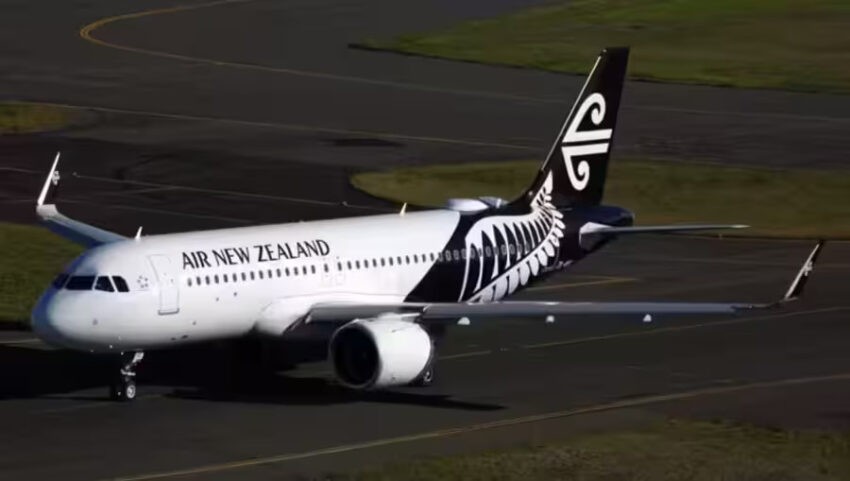

Air New Zealand is set to face significant disruptions in February 2026 as its international flight attendants plan to strike from February 11–13, which will impact long-haul international routes. The strike stems from failed negotiations over pay, as the flight attendants demand better compensation amidst rising inflation. Additionally, the crew is pushing for safer working conditions and long-overdue solutions to recurring operational problems, including poor catering options, missing equipment, and a high rate of flight cancellations. This action highlights the growing frustration of cabin crew members, who feel their concerns about safety and operational inefficiencies are not being adequately addressed by the airline’s management.
Air New Zealand, a prominent player in the aviation industry, is set to face a significant disruption from February 11–13, 2026, as international flight attendants prepare to take strike action. This follows months of failed negotiations over pay, working conditions, and safety standards between the airline and the Flight Attendants’ Association of New Zealand (FAANZ). The planned strike will specifically target international widebody operations, affecting flights operated by Boeing 787 and Boeing 777 aircraft—two key fleets for Air New Zealand’s long-haul international routes.
Background to the Dispute
The dispute between Air New Zealand and its international cabin crew has escalated after weeks of bargaining between the airline’s management and FAANZ failed to yield a satisfactory agreement. The flight attendants have expressed deep concerns about the increasing cost of living and inflation, which they argue have eroded any real wage gains. Despite the airline offering pay increases, the flight attendants believe that the rise does not adequately address the financial pressures many face. Moreover, the union has highlighted that the proposed wage increases come with the condition of trading away crucial safety and working conditions—something that has been met with strong opposition from the union members.
The FAANZ has made it clear that sacrificing protections that ensure safe working environments for the sake of wage increases is unacceptable. The flight attendants argue that their role demands high levels of responsibility, including managing safety procedures, responding to inflight emergencies, and providing customer service under challenging conditions. Consequently, the union is insisting on a fair and sustainable pay structure that reflects the significant demands placed on the cabin crew.
Impact on Operations
The strike, scheduled for February 11–13, 2026, is expected to have a considerable impact on Air New Zealand’s international operations, particularly affecting the airline’s long-haul services. The Boeing 787 and Boeing 777 aircraft, which form the backbone of the airline’s widebody fleet, are responsible for operating numerous international routes. These aircraft are critical to maintaining Air New Zealand’s global network, connecting travelers from New Zealand to key international destinations.
The planned industrial action will undoubtedly disrupt services on some of the airline’s busiest routes, resulting in widespread cancellations and delays. This will have a ripple effect not only on the airline but also on passengers who have paid premium fares for international flights. Many travelers may find themselves scrambling for alternative flight options, and the airline’s customer service will be under increased pressure to manage the fallout from the disruptions.
Ongoing Operational Challenges
Beyond the strike itself, the flight attendants have cited several operational issues that have compounded their frustration with the airline’s management. These issues, which have persisted for some time, include limited catering options, missing equipment necessary for effective passenger service, and dysfunctional seats and cabin features that undermine the comfort of passengers. Additionally, there have been concerns over an increase in the rate of flight cancellations, which the flight attendants argue could have been prevented.
According to representatives of the union, these operational issues not only create a challenging environment for the flight attendants but also reflect poorly on Air New Zealand’s reputation for high-quality service. The crew members often find themselves apologizing to passengers who are dissatisfied with the lack of amenities or who are affected by operational failures, adding stress to the already demanding nature of their jobs. With passenger expectations at an all-time high, especially on long-haul international flights, these issues contribute to the growing dissatisfaction among the flight attendants, who feel that their concerns are not being adequately addressed by the airline.
The Role of the Union
The Flight Attendants’ Association of New Zealand (FAANZ), representing over 1,000 international cabin crew members, has been actively advocating for the rights of its members since its establishment in 2020. The union focuses on providing tailored support for flight attendants and has been instrumental in voicing their concerns within the airline industry. It has emphasized that flight attendants are not just service providers but essential workers who contribute significantly to maintaining safety and ensuring a positive customer experience on flights.
FAANZ has stated that the proposed pay increases from Air New Zealand do not adequately reflect the increasing pressures on the crew, who are tasked with managing complex operational challenges while ensuring the safety and comfort of passengers. The union has also criticized the airline’s failure to adequately address the broader issues affecting its workers, including rising living costs and the deterioration of working conditions.
Airline’s Response
In response to the strike notices, Air New Zealand has expressed its commitment to resolving the dispute through continued negotiations. The airline’s management has stated that it values its cabin crew members and acknowledges their vital role in ensuring the safety and well-being of passengers. While the airline has emphasized its dedication to reaching a fair and sustainable agreement, the strike action indicates that significant differences remain between the union and management.
Air New Zealand’s management has also stressed that the company will take steps to minimize the impact of the strike on passengers, though specifics on how this will be achieved have not been disclosed. With the strike set to occur during a peak travel period, the airline may face considerable challenges in maintaining flight schedules and ensuring that passengers are adequately accommodated.
Broader Implications for the Aviation Industry
The situation at Air New Zealand is indicative of broader challenges facing the aviation industry globally, particularly as airlines navigate the complex issues of wage demands, working conditions, and inflation. Many airlines around the world are grappling with similar challenges as employees push for better pay and conditions in the wake of rising living costs.
The upcoming strike also highlights the ongoing tensions between management and unions within the airline industry. Flight attendants and other airline workers are demanding greater recognition for the vital services they provide, as well as better compensation for the increasingly demanding nature of their work. With the COVID-19 pandemic still fresh in the memory, many airline employees are seeking improved terms and conditions to help them navigate the post-pandemic landscape.
The planned strike by Air New Zealand’s international flight attendants is set to cause significant disruptions to the airline’s long-haul operations in mid-February 2026. The strike is the culmination of a prolonged period of tense negotiations between the airline and its cabin crew, who are seeking fairer pay, better working conditions, and the protection of safety standards. As Air New Zealand strives to reach an agreement, the upcoming industrial action will place considerable pressure on both the airline and its passengers.
The situation underscores the growing challenges faced by airlines worldwide as they navigate the demands of workers who play a crucial role in ensuring safe and efficient travel. While the outcome of the negotiations remains uncertain, one thing is clear: the airline industry is at a crossroads, with the need for fair and sustainable agreements between management and employees more pressing than ever. Passengers and industry observers will be closely watching the developments, hoping for a resolution that minimizes disruption and allows Air New Zealand to continue operating as one of the leading carriers in the region.
Air New Zealand’s international flight attendants are set to strike from February 11–13, 2026, demanding better pay, safer working conditions, and solutions to recurring operational issues like poor catering and frequent flight cancellations after failed negotiations.
With the stakes high for both the airline and its workforce, the resolution of this dispute will have far-reaching implications for the future of air travel, employee relations, and customer satisfaction.
The post Air New Zealand’s February Strike Set To Impact Long-Haul International Routes As Flight Attendants Demand Better Pay, Safer Conditions, And Solutions To Recurring Operational Problems appeared first on Travel And Tour World.
