
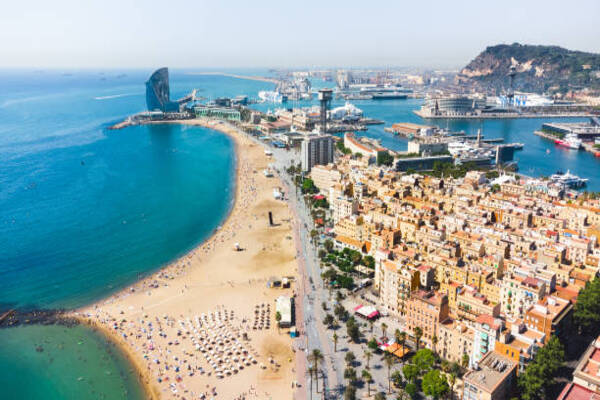

Malaga, Alicante, Madrid, Seville, and Barcelona have recently introduced strict regulations on holiday rentals to address the growing concerns of local residents about rising housing costs and the impact of over-tourism. These measures aim to strike a balance between maintaining tourism revenue and ensuring that residents can afford to live in their neighborhoods. By restricting new holiday rentals and enforcing registration requirements, these cities are taking proactive steps to protect their housing markets while still welcoming visitors.
Spain has recently implemented new rules that are aimed at regulating the growing popularity of holiday rentals, especially in key tourist hotspots. These new regulations are being referred to by some as a “tourist ban,” but in reality, they are directed at property owners rather than tourists themselves. Here’s what you need to know about these changes and how they might affect your travel plans.
In Malaga, a significant change has been made to control the rapid growth of short-term holiday rentals. The city has officially banned the registration of new holiday rentals in 43 districts, a move designed to ease the pressure that increasing tourism has placed on local housing markets. While some view this as a “tourist ban,” the restrictions specifically target the property owners who are providing accommodation for tourists rather than the visitors themselves. This step is part of a broader effort to balance tourism with the need to protect local residents and ensure affordable housing options.
This isn’t the first city in Spain to introduce such measures. Cities like Alicante and Madrid had already implemented similar restrictions in previous years. Barcelona and Seville are expected to follow suit in the near future as authorities across Spain grapple with the effects of tourism on local housing markets. The crux of these regulations stems from the rising complaints of long-term residents who feel they are being pushed out of their neighborhoods due to the escalating costs of housing. The increasing number of short-term rentals, many of which are used by tourists, has led to concerns about the availability of affordable housing for locals, as well as the impact on the neighborhood atmosphere.
To manage the situation more effectively, Spain introduced a central platform in January 2025. This platform aims to monitor and regulate all short-term rental activities across the country, providing a single point of oversight for both property owners and government authorities. Starting in July 2025, it will be mandatory for all holiday rental properties to be registered with local authorities. To do so, each property will be assigned a unique identification number, which must be displayed by owners when advertising their property.
This move aims to create greater transparency in the short-term rental market. Property owners who fail to display their identification number on popular booking platforms like Airbnb and Booking.com risk facing penalties. Spanish authorities are already ramping up their inspection efforts, conducting checks to ensure that property owners comply with these new regulations. Fines can be imposed for non-compliance, reinforcing the importance of adhering to the new system.
Another key change relates to the operation of holiday rentals in apartment blocks. New property owners wishing to rent out their apartments for short-term stays now need to obtain approval from at least 60% of their neighbors. This change shifts the power to the residents of the building, allowing them to have a say in whether a property can be used for tourism purposes. This measure aims to prevent any disruptions caused by the frequent turnover of guests, which some locals argue can negatively impact the peace and quiet of residential areas.
These new rules highlight the growing need for landlords to be fully aware of the legal frameworks governing short-term rentals at various levels. The regulations apply not only to national laws but also to regional and local rules that may differ from one municipality to another. Furthermore, it is now legally possible for individual communities or apartment blocks to pass their own bylaws that can outright ban short-term rentals within the building. This move grants local residents more control over how their communities are managed, allowing them to protect the integrity of their neighborhoods.
It is important to note that the new rules do not apply retroactively to properties that were already registered and operating legally before April 3, 2024. These properties are exempt from the recent changes, so long as they were in full compliance with previous regulations.
The introduction of these new rules marks a significant shift in Spain’s approach to managing the relationship between tourism and local residents. While they are intended to address issues such as rising housing costs and the disruption caused by transient guests, they also reflect a broader trend seen across Europe, where cities are looking for ways to strike a balance between welcoming tourists and maintaining the quality of life for their residents. The challenge for property owners, tourists, and local governments will be to navigate these changes while finding solutions that benefit all parties involved.
For travelers, these new regulations may lead to fewer available short-term rental options in certain areas, particularly in major cities like Malaga, Barcelona, and Madrid. It is recommended that visitors check the status of properties before booking and be aware of the potential for increased scrutiny or restrictions on certain rentals. With these changes, the landscape of holiday rentals in Spain is likely to evolve, and understanding the local rules will become an essential part of travel planning.
The post Spain’s Major Tourist Cities Malaga, Alicante, Madrid, Seville, And Barcelona Enforce Tough New Regulations To Combat Over Tourism And Protect Local Housing appeared first on Travel And Tour World.
