
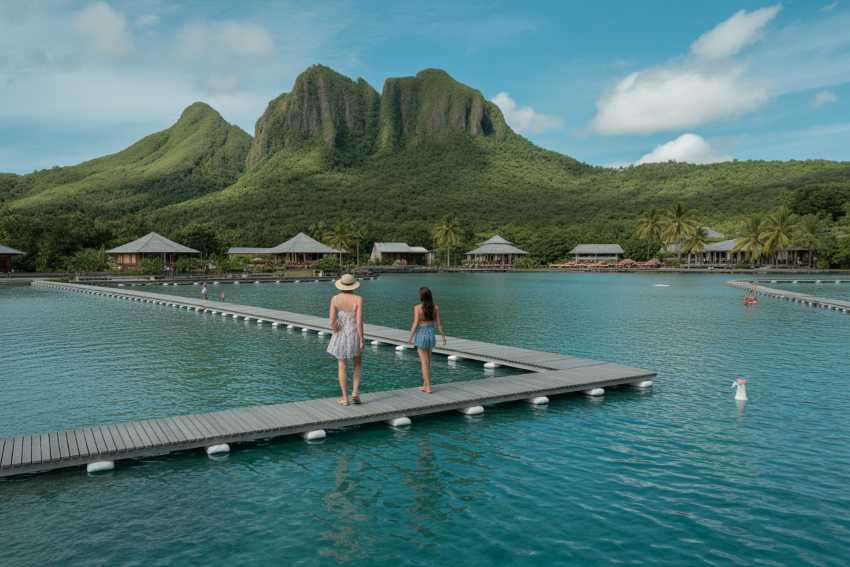
Macuata, located in the lush mountains of Fiji’s Northern Division, is well-known for its tranquil landscapes and simple, peaceful lifestyle. Historically, the region has been overlooked as a major tourism destination in favour of more established areas in Fiji. However, the tide is turning as Macuata positions itself as a burgeoning ecotourism destination, ready to attract both local and international visitors. The Macuata Tourism Association (MTA), soon to be the Macuata Tourism Council, is leading this transformational journey, with major projects aimed at increasing the region’s tourism appeal.
Macuata’s Hidden Potential Unveiled
The natural beauty of Macuata has always been its greatest asset, but it has only recently started to receive the attention it deserves. Long thought to be a quiet destination suitable for local tourism, the region is now preparing to attract a broader audience, especially among the Fijian diaspora and international travellers. The region’s ecotourism potential has been recognized, and significant strides are being made to develop its tourism infrastructure.
Thanks to a $200 million grant facilitated by the World Bank, Macuata’s tourism sector is undergoing a major overhaul. This funding aims to develop sustainable tourism projects that will benefit the region and its communities for years to come. Among the key projects planned are major upgrades to the Floating Island, a popular tourist site. The renovations will include the installation of walking planks, an upgraded access road, and a new visitor centre. These improvements will make the site more accessible, comfortable, and appealing to tourists, enhancing its status as a must-visit location in Fiji.
Expanding Ecotourism and Supporting Infrastructure
Macuata’s tourism plans include a variety of exciting initiatives designed to cater to a wide range of visitors. A new parking facility is planned for the Nagigi Naag Mandir, a significant site in the region, as well as the introduction of small discovery expedition cruises that can host between 200 and 300 visitors. These cruises will offer a unique way for tourists to explore the region’s coastal beauty, providing an immersive experience that showcases Macuata’s natural and cultural heritage.
Further developments are set to enhance Macuata’s appeal to nature lovers and adventure seekers. Upgrades are planned for the Three Sisters Mountain and the Waiqele and Tambia hot springs, both of which offer incredible scenic views and are perfect for those looking to connect with nature. The local government and community leaders are ensuring that sustainability will be at the heart of all these developments, emphasizing the importance of protecting Macuata’s unique environment for future generations.
A Boost to Labasa’s Economy
These ecotourism developments are expected to be a significant economic boost for the town of Labasa, the heart of Macuata. Currently, the town’s economy is heavily reliant on the sugar industry, which leaves it vulnerable to fluctuations in the market. When the sugar mill is operational, the town thrives, but when it is not, Labasa feels the impact. Ecotourism offers a much-needed diversification, providing new sources of income and employment opportunities for local residents.
The planned developments are expected to draw both local and international tourists, injecting much-needed revenue into the town’s economy. According to local stakeholders, Macuata’s ecotourism boom could reverse the trend of young people migrating to urban areas in search of better opportunities. With the promise of new jobs and a thriving tourism industry, many Fijians, particularly those in New Zealand, Australia, and the United States, may be encouraged to return to their homeland.
The tourism boom will not only support local businesses but also help strengthen the community’s resilience to external economic shocks. A more diversified economy is crucial for the long-term prosperity of Labasa, and tourism is expected to play a central role in this transformation.
Addressing Infrastructure Challenges
While the tourism development plans are exciting, the region must overcome significant infrastructural challenges to fully realize its potential. For years, Labasa has been calling for improvements to its transport infrastructure, including a much-needed bypass road. Although there has been little progress in the past, the government has recently announced plans for a new bypass road and bridge, which will improve access to key tourism sites and make travel within the region more efficient.
Additionally, the town’s limited accommodation capacity poses a challenge to accommodating a growing number of tourists. Currently, most visitors to Labasa are government ministers or a handful of local and international tourists. However, as tourism projects like the Floating Island upgrades and the hot springs developments take shape, it is expected that more hotels and guesthouses will spring up to meet the rising demand.
Economic Ripple Effect
As tourism grows, it is expected to have a positive ripple effect on other sectors of the local economy. The development of tourism infrastructure and amenities will encourage investment in the hospitality industry, leading to the establishment of more businesses in the area. Already, Labasa has seen its first international hotel brand, Ramada Encore by Wyndham, open in the town, a sign of growing investor confidence.
Furthermore, the Charan Jeath Singh Group is investing $5 million to expand the Grand Eastern Hotel to meet the rising demand for accommodation. These investments signal a positive shift in the town’s economic landscape and are likely to attract more businesses and tourists in the future.
Sustainable Growth for Future Generations
The MTA and the newly formed Macuata Tourism Council are committed to ensuring that tourism development is done responsibly and sustainably. Environmental stewards will play a vital role in managing and protecting the region’s natural resources. By emphasizing the importance of environmental stewardship, the Council hopes to create a model of sustainable tourism that benefits both the local economy and the environment.
Community involvement is also key to the success of these projects. The MTA is working closely with local stakeholders, including landowners, business owners, and community members, to ensure that the tourism development process is inclusive and beneficial to all. By engaging the community in these projects, the region aims to create a sense of ownership and pride in the tourism industry, helping to preserve the unique culture and natural beauty that make Macuata so special.
A Bright Future for Macuata
The transformation of Macuata into an ecotourism destination is a game changer for Fiji’s northern division. With significant investments in infrastructure, sustainable tourism projects, and community involvement, the region is on track to become one of the country’s top ecotourism destinations. The next five years are critical for Macuata’s development, and the town is poised to become a major player in Fiji’s tourism industry.
As the tourism industry expands, it will create new opportunities for locals and attract tourists from all over the world. With its distinct blend of natural beauty, cultural heritage, and ecotourism initiatives, Macuata is on its way to becoming one of the Pacific’s most sought-after destinations.
The post Ecotourism Revolution in Macuata: Fiji’s Northern Division Gears Up for Major Tourism Boost appeared first on Travel And Tour World.
