
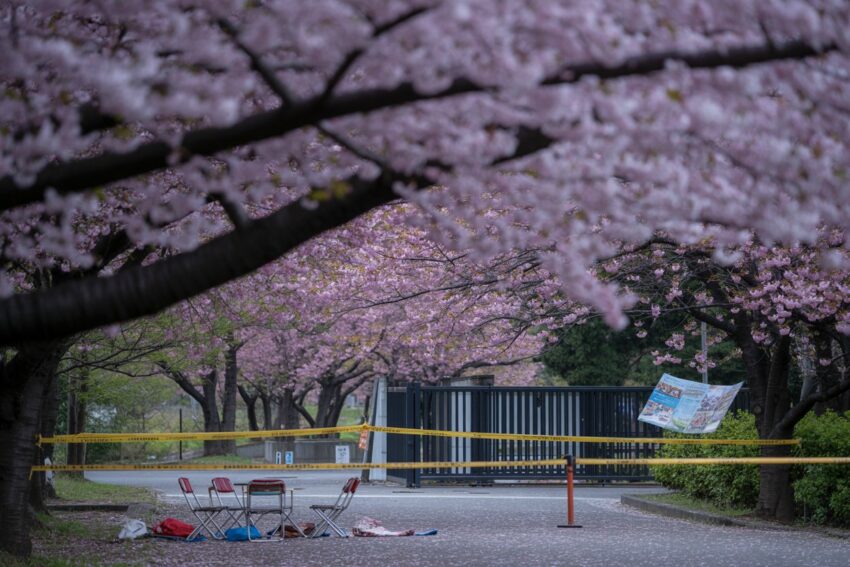
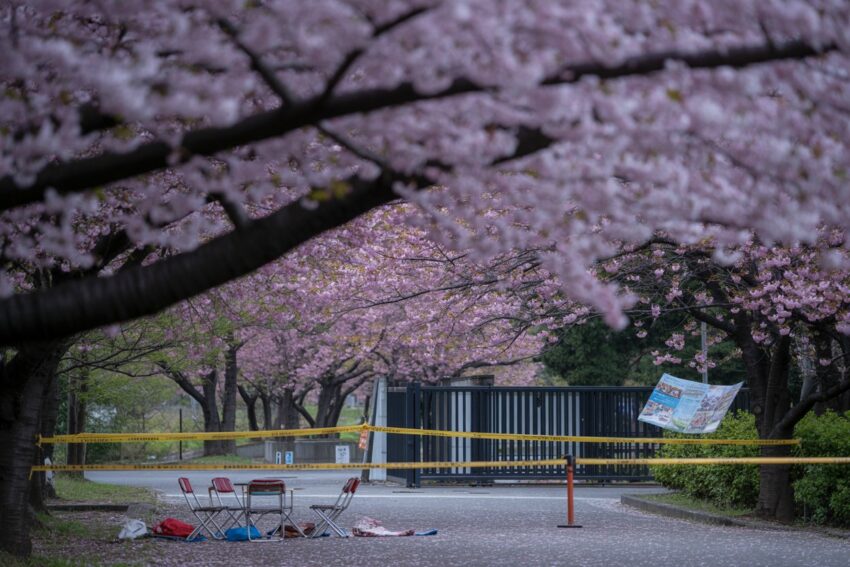
The 2026 Mount Fuji Cherry Blossom Festival, a major annual event attracting thousands of international and domestic tourists to Fujiyoshida, has been officially canceled. In a move that has left many disappointed, local authorities in Fujiyoshida City decided to call off the event, citing overtourism and tourist disruptions as the main reasons for the cancellation. The decision, announced earlier this month, marks a significant turning point for one of Japan’s most iconic springtime celebrations, and it has raised important questions about the future of tourism in the region.
While the cherry blossom season itself remains unaffected, with the sakura still set to bloom as usual, the city’s decision to cancel the official Arakurayama Sengen Park Cherry Blossom Festival has caused a ripple effect throughout the tourism sector. Known for its breathtaking views of cherry blossoms in front of the iconic Chureito Pagoda, and framed by the majestic Mount Fuji, the festival has been a symbol of Japan’s cultural heritage and one of the top attractions for visitors during the spring season.
Why the Mount Fuji Cherry Blossom Festival Was Canceled
The cancellation of the festival for 2026 comes in response to growing concerns over overtourism and the strain that large crowds have placed on the local community. As the cherry blossoms in Fujiyoshida draw in vast numbers of tourists each year, the town’s limited infrastructure has struggled to cope with the overwhelming demand. According to the Fujiyoshida City Government, the event has consistently attracted more visitors than the city could adequately accommodate, leading to major disruptions for local residents.
One of the key issues raised by the city’s authorities was traffic congestion. The streets surrounding Arakurayama Sengen Park have become overcrowded during peak bloom periods, making it difficult for residents to go about their daily lives. This congestion was exacerbated by the growing number of tour buses and private cars, as visitors flocked to the area to enjoy the iconic cherry blossom views. With limited parking spaces and narrow streets, these large crowds were creating bottlenecks and safety hazards for both tourists and locals.
Littering and disrespectful behaviour by some tourists were also contributing factors. Local residents have reported issues with tourists trespassing onto private property, disturbing peaceful areas, and leaving litter behind in the park. This behavior not only affected the aesthetic beauty of the festival but also created a sense of discomfort among the community.
In addition to these challenges, Fujiyoshida City officials cited concerns over the sustainability of such large-scale events. The environmental impact of hosting the festival, particularly during the peak cherry blossom season, was becoming increasingly difficult to manage. Local authorities emphasized that the preservation of the city’s natural beauty and cultural heritage was paramount, and the festival’s growing size was outpacing the area’s ability to handle the influx of visitors responsibly.
The Growing Problem of Overtourism in Japan
The cancellation of the Mount Fuji Cherry Blossom Festival highlights a broader issue facing Japan’s tourism industry: the rise of overtourism. The country, which attracts millions of international visitors each year, is beginning to see the strain that large numbers of tourists place on local communities, especially in areas known for their natural beauty and cultural significance. Many of Japan’s most popular destinations, including Kyoto, Nara, and Tokyo, have faced similar issues as overcrowding has led to congestion, environmental degradation, and disruption to daily life for local residents.
Japanese tourism authorities have been working to address these issues by promoting sustainable tourism practices, encouraging visitors to explore lesser-known areas, and spreading tourism across the country to avoid overwhelming any one region. However, the Mount Fuji Cherry Blossom Festival cancellation serves as a stark reminder that even iconic sites are not immune to the negative effects of mass tourism.
Alternatives for Cherry Blossom Viewing in Japan
Although the cancellation of the festival is a setback for tourists hoping to experience the beauty of Fujiyoshida’s cherry blossoms, the sakura season is still very much alive in Japan, and there are plenty of alternative spots to enjoy the bloom. Major cities like Tokyo, Kyoto, Osaka, and Hiroshima still host vibrant cherry blossom festivals, where travelers can enjoy the blossoms in picturesque parks and gardens.
In Tokyo, visitors can enjoy the cherry blossoms at Ueno Park and Shinjuku Gyoen, both of which are known for their breathtaking cherry tree-lined paths. Kyoto’s Maruyama Park and the Philosopher’s Path are also well-known for their stunning sakura displays, drawing thousands of tourists each year.
For those looking to avoid the crowds, Japan also offers quieter, less touristy options like the Tottori Sand Dunes Conan Park and Hiroshima’s Shukkeien Garden, where travelers can enjoy the cherry blossoms in a more serene and less crowded setting.
Looking Ahead: The Future of Festival Tourism in Japan
As Japan grapples with the challenges of overtourism, the country’s approach to festival tourism may need to evolve. The closure of the Mount Fuji Cherry Blossom Festival for 2026 could be a turning point in how local authorities manage and regulate tourism to cultural and natural attractions. Moving forward, it is likely that more destinations will follow suit by limiting the size of festivals and implementing sustainable tourism measures to protect their environments and communities.
Japan’s cultural festivals, including the iconic cherry blossom season, are a significant part of the country’s tourism appeal. However, as the world’s most popular travel destinations become increasingly crowded, it’s clear that tourism must be approached in a way that balances both the needs of the local population and the desires of visitors. In the case of Fujiyoshida, this year’s decision to cancel the festival is a step toward ensuring that the region remains a sustainable destination for future generations of travelers.
The post Fujiyoshida’s Iconic Cherry Blossom Festival Cancelled for 2026: Overcrowding and Tourist Disruptions Lead to the Decision appeared first on Travel And Tour World.
