
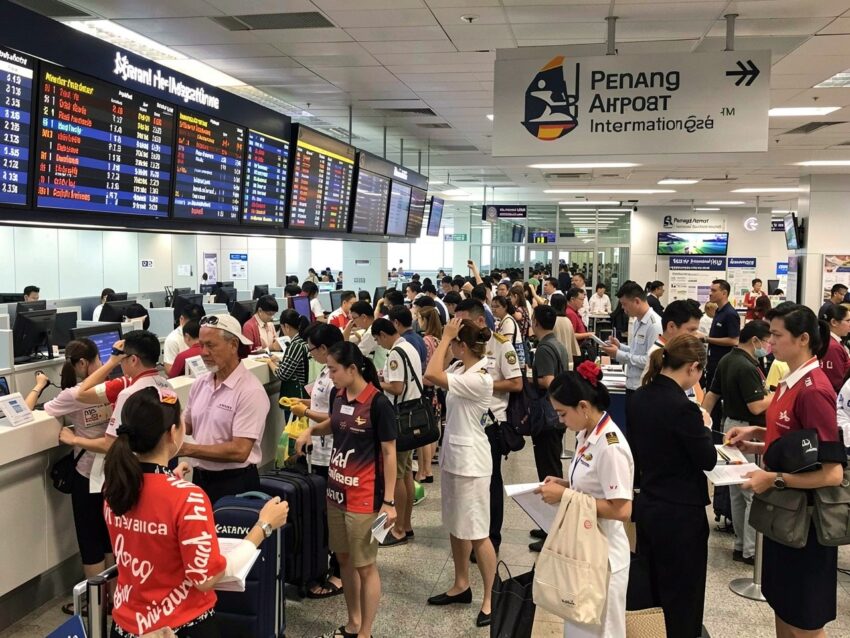
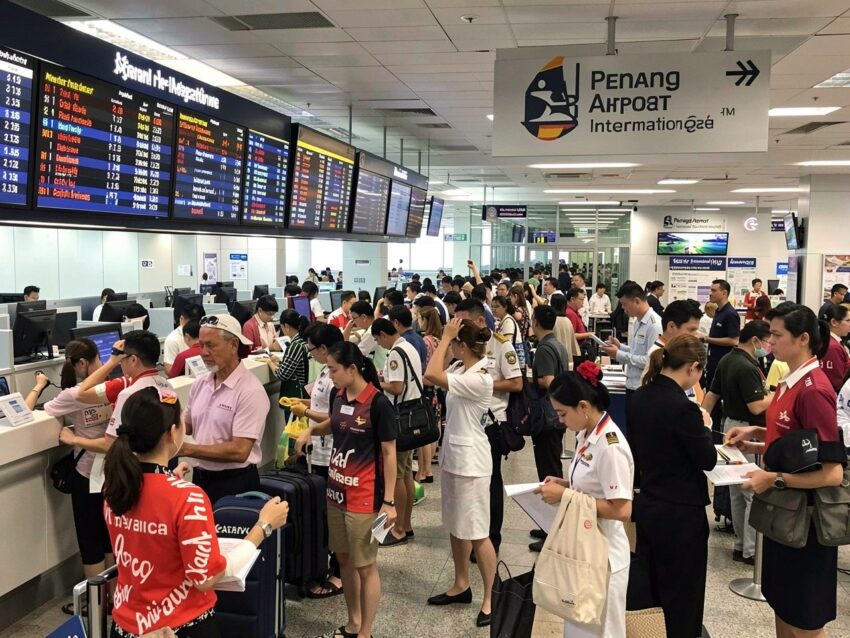
AirAsia, Singapore Airlines, and Cathay Pacific are among the leading carriers facing growing frustrations at Penang International Airport, as recent congestion at the airport threatens to disrupt Malaysia’s thriving tourism industry. The surge in passenger traffic, fueled by increasing flight arrivals from neighboring countries like Singapore, Thailand, and Indonesia, has exposed significant inefficiencies in the airport’s operations, with long delays at immigration and baggage claim. While Penang remains a top destination for tourists seeking a blend of cultural heritage, beautiful beaches, and vibrant street food, the chaos at the airport could tarnish the overall travel experience. Airlines, including AirAsia, Singapore Airlines, and Cathay Pacific, are already grappling with mounting passenger complaints, delayed schedules, and missed connections, potentially harming their reputation. The impact doesn’t stop with the airlines; the hospitality industry, which relies heavily on a steady flow of tourists, is also feeling the effects, with hotels and resorts struggling to accommodate late arrivals and reschedule services. As the delays continue to spiral, urgent action is needed from airport authorities to resolve the crisis and prevent further damage to the tourism economy. With millions of dollars at stake, the clock is ticking for Penang to address its airport congestion and preserve its status as a top global travel destination.
AirAsia, Singapore Airlines, Cathay Pacific, Malaysia Airlines, Thai Airways, and Emirates: Airport Chaos in Penang! Urgent Action Needed as Delays Threaten Tourist Economy!
Penang, Malaysia, is a beloved destination known for its rich cultural heritage, pristine beaches, and bustling food scene. However, a growing concern among travelers and the tourism industry is the increasing congestion at Penang International Airport, a vital gateway for millions of visitors. The airport’s recent operational delays, fueled by a combination of increased passenger volumes and system adjustments, have sparked frustration among tourists and airlines alike. This disruption poses a significant threat not only to the airport’s efficiency but to the broader tourism and hospitality sectors in Malaysia.
AirAsia, Singapore Airlines, Cathay Pacific, Malaysia Airlines, Thai Airways, and Emirates: Penang Airport Chaos Escalates
The surge in passenger traffic to Penang, particularly from neighboring countries like Singapore, Thailand, and Indonesia, has strained the airport’s capacity. Airlines, including AirAsia, Singapore Airlines, Cathay Pacific, Malaysia Airlines, Thai Airways, and Emirates, have been grappling with delays and dissatisfied passengers. The recent congestion at the airport, coupled with long queues and immigration backlogs, has raised alarms within the tourism sector.
Penang International Airport, which has been handling more international flights in recent years, faces growing operational challenges. The main issue stems from the increasing frequency of flights, often arriving in close succession. These overlapping arrivals have led to bottlenecks at immigration and baggage claim, significantly delaying passenger processing. The airport’s current infrastructure and staffing are not equipped to handle such volumes of travelers simultaneously.
As the delays continue to disrupt the flow of passengers, the reputations of airlines operating at Penang International Airport are at stake. Airlines like AirAsia, Malaysia Airlines, and Emirates have seen passenger complaints rise due to prolonged wait times and missed connections. Additionally, these delays are putting pressure on the hospitality sector, which relies heavily on timely arrivals to maintain its operations and service standards.
Urgent Action Needed: How Delays Are Threatening Malaysia’s Tourist Economy
Tourism is a cornerstone of Malaysia’s economy, contributing billions to the nation’s GDP. Penang, with its rich cultural heritage and stunning beaches, has been a major draw for international tourists, particularly from neighboring countries such as Singapore, Thailand, Indonesia, and China. The island’s reputation as a tourism hotspot is at risk, with delays at the airport threatening to tarnish the visitor experience.
The congestion at Penang International Airport comes at a critical time for Malaysia’s tourism industry. With the government’s ambitious targets to attract 30 million international tourists by 2025, these operational hiccups could undermine efforts to achieve this goal. The airline and hospitality industries are particularly vulnerable, as delays not only frustrate passengers but also disrupt carefully planned itineraries and hotel bookings.
As airlines like AirAsia and Singapore Airlines face mounting pressure from angry passengers, it’s essential for the relevant authorities to address the issues at Penang International Airport. Without urgent intervention, Malaysia risks losing its competitive edge in Southeast Asia’s tourism market. Tourists who experience long delays may be less likely to return, and airlines may reassess their operations in Penang if the situation persists.
The Impact on Airlines: Delays and Disrupted Schedules
Airlines have long been a cornerstone of Penang’s tourism industry, facilitating the movement of both business and leisure travelers. However, the recent congestion at Penang International Airport has significantly disrupted flight schedules. The growing influx of tourists, particularly from China, Indonesia, and Singapore, has led to an increase in flight arrivals, which, combined with inefficient immigration processing, has caused significant delays.
Airlines like AirAsia, Singapore Airlines, and Malaysia Airlines have seen their flights affected by the airport’s operational bottlenecks. AirAsia, Malaysia’s low-cost carrier, has been especially hard hit, with long delays leading to missed connections and frustrated travelers. The airline has responded by offering affected passengers compensation in the form of meal vouchers and rebooking services, but these measures have done little to alleviate the frustration of passengers waiting in long queues.
Cathay Pacific and Thai Airways, which operate long-haul flights from Hong Kong and Bangkok to Penang, are also facing challenges due to delays at the airport. Long delays at immigration and baggage claim can lead to missed connections for passengers traveling on connecting flights. These disruptions not only impact the airlines’ efficiency but also damage their reputation, as travelers increasingly prioritize convenience and reliability when choosing airlines.
Emirates, one of the world’s largest international airlines, has been able to navigate the challenges better due to its larger-scale operations, but even they are experiencing the ripple effects of the congestion. The airline’s premium passengers, who expect quick and efficient airport services, are finding themselves caught in the same long queues as budget travelers. Emirates’ customers, who tend to stay at high-end resorts and expect a luxury experience, are finding their expectations unmet by the current situation at Penang International Airport.
The Hospitality Sector: Struggling to Keep Up with Airport Delays
The hospitality industry in Penang, which is heavily reliant on the steady stream of international tourists arriving at the airport, is feeling the impact of the ongoing airport congestion. Hotels, resorts, and tour operators have been forced to adjust their services to cope with delayed flights and frustrated tourists. For instance, many tourists are arriving hours later than expected, leading to difficulties with room availability, transfers, and dining arrangements.
Popular hotels and resorts like the Shangri-La Rasa Sayang Resort & Spa, the Hard Rock Hotel Penang, and Golden Sands Resort have reported delays in guest arrivals due to late flights. This disruption affects hotel operations, as rooms that should have been available for check-in are often delayed or rescheduled to accommodate late arrivals.
The tourism and hospitality sectors are also affected by the broader economic impact of airport delays. Tourists who experience long delays at the airport are less likely to have a positive overall travel experience. This can result in negative reviews and reduced repeat business, ultimately hurting the reputation of the destination and its hospitality offerings.
Hotels in the vicinity of Penang International Airport, such as Vistana Penang Bukit Jambul and The Wembley Penang, have seen fluctuations in occupancy rates as travelers reconsider their accommodations based on their arrival times. While these hotels are generally well-rated, the added stress of dealing with delayed flights and the frustration of passengers waiting for their rooms has made it harder to maintain a smooth guest experience.
Penang’s Tourism Boom at Risk: The Role of Airlines and Airports in the Tourism Ecosystem
The impact of the congestion at Penang International Airport reaches far beyond the airlines and hospitality sectors. The entire tourism ecosystem in Penang is at risk. Penang’s economy depends heavily on tourism, with the sector contributing over 40% of the island’s GDP. The island’s unique offerings, from historical sites like the George Town UNESCO Heritage Site to natural attractions like Penang Hill, attract millions of tourists every year. However, if travelers face delays and inefficiencies at the airport, their overall impression of the destination may be tarnished, leading to a potential decline in repeat visits.
The Penang government has already launched initiatives to revitalize the state’s tourism, including events like Penang World Music Festival and Penang International Food Festival, which aim to draw in both domestic and international visitors. But these efforts are in jeopardy if the airport congestion issue is not addressed. Tourists arriving in Penang need efficient airport services to match the high standards set by the tourism campaigns. Without it, the island risks losing ground to neighboring destinations like Singapore and Thailand, which have streamlined airport operations that attract more tourists.
Travel Tips for Visiting Penang Amid Airport Delays
While the situation at Penang International Airport remains a challenge, there are ways for travelers to mitigate the impact of delays:
- Arrive Early: Given the increased congestion, it’s advisable to arrive at the airport at least 3 hours before your flight. This will give you enough time to clear security and immigration, even if there are delays.
- Check Flight Schedules Regularly: Airlines like AirAsia, Singapore Airlines, and Malaysia Airlines provide real-time flight tracking on their websites and mobile apps. Keep an eye on your flight’s status and potential delays to avoid any surprises.
- Use the E-Gate System: Penang International Airport has introduced an e-gate system for eligible travelers, which can speed up the immigration process. Make sure you are registered and eligible for this fast-track service.
- Consider Alternative Airports: If you are traveling from Singapore, Kuala Lumpur, or Bangkok, consider flying into Langkawi International Airport or Kuala Lumpur International Airport (KLIA). These airports are also well-connected to Penang by land and sea.
- Plan for Late Arrivals: Many hotels in Penang offer late check-in options. Always confirm your late arrival with the hotel to avoid any inconvenience. Some hotels also offer airport transfer services that can be adjusted in case of delays.
Flight Details: Best Airlines for Travel to Penang
If you’re planning your trip to Penang, it’s essential to choose airlines that offer direct flights with minimal delays. Some of the best options for traveling to Penang include:
- AirAsia: As the largest low-cost carrier in Asia, AirAsia offers frequent and affordable flights to Penang from major hubs like Kuala Lumpur, Bangkok, Singapore, and Jakarta. The airline is known for its competitive pricing and numerous daily flights.
- Singapore Airlines: For those seeking a premium experience, Singapore Airlines offers direct flights from Singapore to Penang. The airline is renowned for its world-class service, and the short flight duration makes it a convenient option for travelers.
- Cathay Pacific: For long-haul travelers, Cathay Pacific offers flights from Hong Kong to Penang. While slightly more expensive, Cathay Pacific’s exceptional service and comfort make it a popular choice for international travelers.
- Malaysia Airlines: Malaysia’s flagship carrier, Malaysia Airlines, offers multiple flights from Kuala Lumpur and other Malaysian cities to Penang. Known for its service, this is an excellent option for those looking for a well-established airline.
- Thai Airways: Thai Airways connects Bangkok with Penang, offering comfort and efficiency on a direct route to the island.
- Emirates: Emirates offers flights to Penang from its hub in Dubai, perfect for travelers flying from the Middle East or those connecting through the major international hub.
AirAsia, Singapore Airlines, and Cathay Pacific are grappling with major delays at Penang International Airport as congestion threatens to disrupt the island’s tourism sector. Urgent action is needed to prevent lasting damage to the airport, airlines, and hospitality industry.
A Call for Immediate Action
Penang’s position as a thriving tourism destination is at risk due to the current congestion at its international airport. The growing delays at Penang International Airport threaten not only the reputation of airlines like AirAsia, Singapore Airlines, and Malaysia Airlines but also jeopardize the broader hospitality industry. With timely intervention from authorities, the situation can be alleviated, and Penang can continue to thrive as a premier travel destination. Until then, travelers must navigate the current delays with patience and awareness, ensuring their experience in Penang remains as enjoyable as ever.
The post AirAsia, Singapore Airlines, Cathay Pacific, Malaysia Airlines, Thai Airways, and Emirates: Airport Chaos in Penang! Urgent Action Needed as Delays Threaten Tourist Economy! appeared first on Travel And Tour World.
