
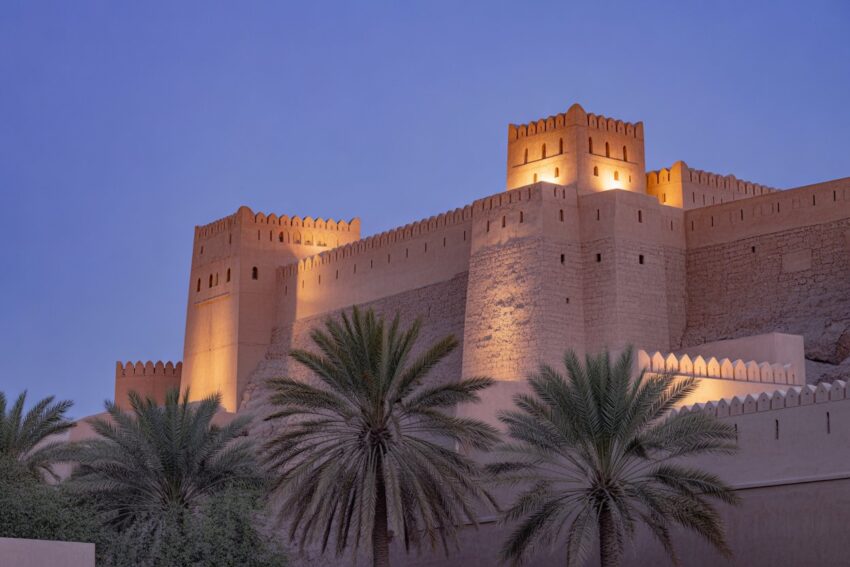

In the heart of Oman’s Al Batinah South Governorate, the air is thick with the scent of history and the sound of craftsmen at work. For centuries, the towering forts and intricate watchtowers of this region served as guardians of the trade routes and mountain passes. Today, they are taking on a new role. Through an ambitious series of restoration and “adaptive reuse” projects led by the Ministry of Heritage and Tourism, these ancient landmarks are being transformed into vibrant hubs for modern travelers.
This isn’t just about patching up old walls; it’s about a cultural renaissance that invites the world to step inside Oman’s story.
A Masterclass in Restoration: Al Rustaq and Beyond
At the center of this transformation is the iconic Al Rustaq Fort. One of the most significant historical structures in the Sultanate, the fort is currently undergoing a massive rehabilitation. Dr. Al Mutasim bin Nasser al Hilali, Director of the Heritage and Tourism Department in Al Batinah South, recently shared that work on the interior sections, towers, and outer walls has already surpassed the 60% completion mark.
But the effort doesn’t stop at the big names. Nearby, the Al Kasfah Tower—located right next to the famous Ain Al Kasfah hot springs—is 50% restored. By the time it’s finished, it won’t just be a monument to look at; it will be a new focal point for visitors who come to soak in the healing waters of the springs, offering a complete historical and wellness experience.
From Battlements to Bedrooms: The Rise of Heritage Lodges
Perhaps the most exciting shift in Oman’s tourism strategy is the concept of “adaptive reuse.” The Ministry is moving away from the idea that a fort should only be a museum. Instead, they are turning these sites into living spaces.
Al Mansour Castle in Al Rustaq is a prime example. It has become the first “heritage lodge” model in the governorate. Imagine spending the night in a fortress that dates back over 200 years, waking up to the same views of the date plantations that ancient governors once enjoyed, but with the comforts of modern hospitality. This “living history” approach allows visitors to connect with the Omani way of life on a much deeper, more emotional level.
Empowering the Community through Partnership
One of the most human elements of this project is the Ministry’s focus on the local economy. Rather than managing every site centrally, the government is partnering with specialized private-sector companies and local SMEs (Small and Medium Enterprises).
Currently, six major sites have been assigned for private investment, including:
- Nakhal Fort: Now managed by the Nakhal Al Ahliya Company, ensuring that the local community has a direct stake in its success.
- Beit Al Ghasham: Operating as a private museum in Wadi Al Maawil, showcasing traditional Omani architecture and household life.
- Barka Fort and Al Awabi Fort: Recently assigned for investment to create new cultural venues.
By putting the keys to these historic sites in the hands of local businesses, Oman is ensuring that tourism growth directly supports the families and communities that have lived in the shadow of these forts for generations.
More Than Just Stone: The Spiritual Heritage
The restoration efforts also extend to the soul of the community: its mosques. Work has recently begun on the Al Mazahit Mosque (Al Khazina) in Al Rustaq. Even with just 10% of the project completed, the initiative highlights the Ministry’s commitment to preserving the “architectural integrity” of religious sites, ensuring they remain places of peace and beauty for both worshippers and visitors interested in Islamic architecture.
Why Al Batinah South?
Al Batinah South is a unique tapestry of geography. It’s where the dramatic Hajar Mountains meet the fertile coastal plains. By restoring towers like Al Owaid Tower in Al Musannah, the Ministry is creating a “tourism trail” that leads travelers from the sea to the mountains, with every stop telling a different chapter of the Omani saga.
For the modern traveler, this offers a “diversified experience.” You can start your day at a coastal tower, have lunch in a restored mud-brick village, and spend the night in a mountain castle.
The Vision for 2026 and Beyond
As we move through 2026, the goal is clear: to make heritage the heartbeat of Oman’s economy. By blending historical preservation with smart investment, Al Batinah South is proving that you don’t have to choose between the past and the future. You can have both.
For those planning a trip to the Sultanate, the message is simple: come for the landscapes, but stay for the stories. The forts of Al Batinah are open, and they have centuries of tales waiting to be told.
The post Preserving the Past, Building the Future: Oman’s Al Batinah South Heritage Restoration Boosts Tourism appeared first on Travel And Tour World.
