Nebraska’s tourism sector is experiencing a significant surge, with the state generating a record $4.6 billion in GDP in 2025. This remarkable achievement places Nebraska among the top six states in the nation for tourism sector growth, according to recent data from Statistics Canada.
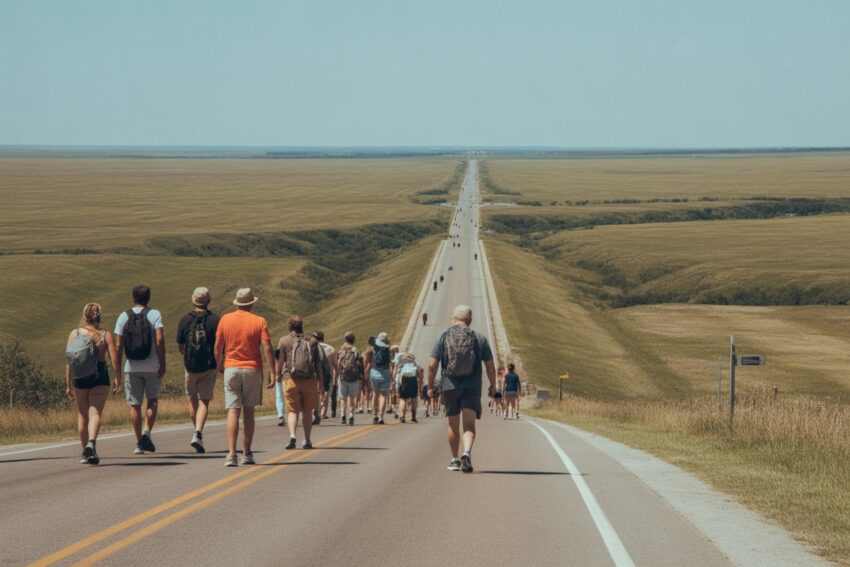
The increase in tourism spending has not only contributed to Nebraska’s economy but has also driven job creation and expanded opportunities for local businesses. In particular, rural Nebraska has seen a rise in visitor numbers, which is expected to continue into 2026 and beyond. The state’s tourism industry is benefiting from a combination of innovative marketing, out-of-state tourism initiatives, and engagement with local communities.
Nebraska Tourism Hits Record High in 2025: Key Factors Behind the Growth
At the Tourism Conference held in Lincoln last week, Kerri Rempp, President of the Nebraska Travel Association (NETA), highlighted the factors that have contributed to the state’s record-breaking tourism growth. She noted that the Nebraska Passport Program has been particularly successful, with a small retail shop in Ashby (population 50) seeing a 300% increase in visitors and sales doubling as a result.
Another notable success story was North Platte, which hosted new youth sports tournaments in 2025, generating $1.3 million in visitor spending. These stories reflect the broader trend in Nebraska’s tourism — a shift toward experiential travel and community involvement. Visitors are increasingly choosing Nebraska for unique cultural experiences, including history-focused tours, agritourism, and nature-based activities.
New Marketing Campaigns Fuel Tourism Success in Nebraska’s Rural and Urban Areas
A central element driving Nebraska’s tourism success is the recent launch of the state’s new marketing campaign, “Nebraska. All Heart.” The campaign is designed to showcase the state’s diverse landscapes, historic attractions, and local culture, appealing to travelers from across the U.S. and beyond.
Tannis Gaffney, Chief Marketing Officer at Travel Nebraska, praised the campaign for reflecting the state’s spirit and unique offerings. She emphasized that the campaign plays an essential role in attracting out-of-state visitors, especially from neighboring regions. The collaborative effort between urban centers and rural communities ensures that the economic benefits of tourism are felt throughout the state.
In addition to statewide promotions, local organizations are focusing on community-based tourism and regional experiences. For example, rural Nebraska has seen an uptick in tourists exploring small towns, attending local festivals, and engaging in agricultural tourism. These initiatives are helping create a sustainable tourism model that benefits local economies and supports job creation.
Tourism Industry Leaders Celebrate Success at Nebraska Conference
The Nebraska Tourism Conference held in Lincoln provided a platform for more than 250 tourism stakeholders to discuss future strategies, share successes, and explore new opportunities for growth. The conference highlighted Nebraska’s achievements in the tourism sector and how these milestones will pave the way for future development in 2026 and beyond.
Susan Phillips, President of St. Augustine, Ponte Vedra & The Beaches Visitors and Convention Bureau, also commented on the power of collaboration in driving tourism. She stated that the partnerships formed through such conferences help to create more synergies between various tourism sectors — whether rural or urban. The shared insights at the conference aim to foster a more connected and resilient tourism economy.
The Economic Impact of Tourism on Nebraska’s Communities
The economic impact of tourism in Nebraska is substantial. The state’s tourism sector now ranks as the third-largest industry, providing thousands of jobs and generating crucial tax revenue. According to the Bureau of Economic Analysis, tourism contributed significantly to the state’s GDP from 2023–2024, placing it sixth nationally for GDP growth in the accommodation, food services, and recreation sectors.
Tourism spending in Nebraska continues to support not only the traditional hotel and restaurant industries but also small local businesses. For example, local artisans, farmers, and hospitality providers have all benefited from the increased number of tourists visiting Nebraska for its unique experiences.
Nebraska’s New “All Heart” Campaign: What It Means for Future Travel Growth
The launch of the “Nebraska. All Heart.” campaign is a bold statement about the state’s commitment to tourism and its role in the state’s economy. The campaign will continue to highlight Nebraska’s strengths, including its friendly locals, wide-open spaces, and one-of-a-kind destinations like Cabela’s in Sidney and the Chimney Rock in the Nebraska Panhandle.
The success of the Nebraska Passport Program, which has also gained national attention, reflects a growing desire for authentic travel experiences that combine nature, culture, and history. By increasing awareness of Nebraska’s attractions, the campaign is positioning the state to continue to attract travelers in 2026 and beyond.
Conclusion: Nebraska’s Tourism Industry Poised for Continued Growth in 2026
With a record year for tourism in 2025 and strong momentum heading into 2026, Nebraska’s tourism sector is ready to continue its upward trajectory. The state’s unique mix of rural and urban experiences, coupled with targeted marketing and a focus on collaboration, makes it an appealing destination for a wide variety of travelers. As Travel Nebraska continues to refine its strategies, the future of the state’s tourism industry looks bright, promising both economic growth and sustainability for years to come.
The post From Rural Towns to Major Cities: How Nebraska’s Travel Industry is Expanding and Breaking Records appeared first on Travel And Tour World.
