
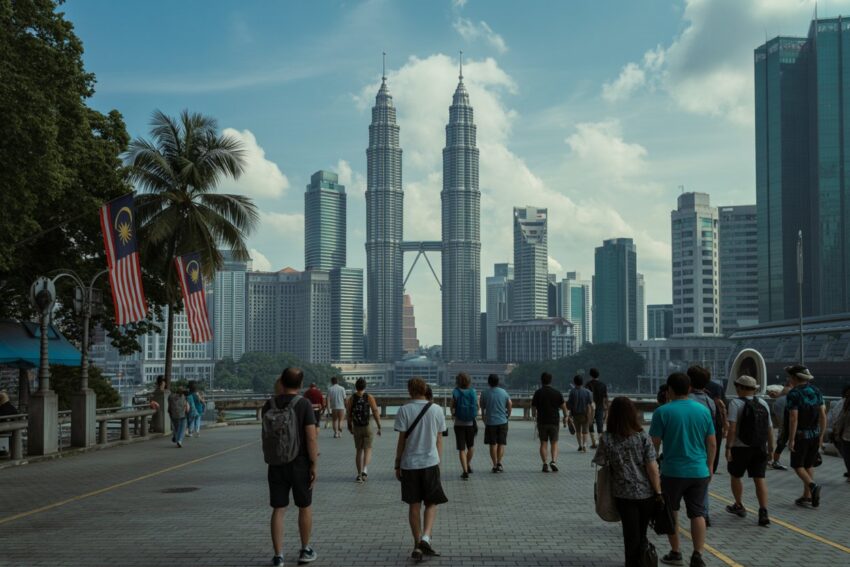

In a remarkable shift in Southeast Asia’s tourism landscape, Malaysia emerged as the most visited country in 2025. The country welcomed tens of millions of international travellers, surpassing traditional leaders like Thailand. This rise highlights Malaysia’s growing global appeal, driven by its diverse attractions, strategic tourism initiatives, and enhanced accessibility. For travellers planning trips in 2026, Malaysia promises a combination of vibrant city life, tropical islands, rich cultural experiences, and pristine natural wonders.
Malaysia Tourism Soars to New Heights
The surge in visitors to Malaysia reflects a deliberate effort to attract international tourists. Through coordinated government initiatives and innovative tourism campaigns, Malaysia has positioned itself as a top choice for travellers seeking diversity and convenience. The country recorded a record number of international arrivals, with significant growth from Asian markets including China, India, and Indonesia.
Malaysia’s tourism success is not accidental. Investments in infrastructure, such as expanding airports and improving flight connectivity, have made travel easier. International travellers can now access major cities like Kuala Lumpur, Penang, and Langkawi more conveniently than ever. The country’s reputation as a friendly, welcoming destination also plays a key role in drawing repeat visitors.
Visa Policies and Travel Accessibility
One factor behind Malaysia’s tourism surge is its visitor-friendly entry policies. Many countries benefit from visa exemptions or simplified travel permits, allowing tourists to enjoy stays of up to 90 days without extensive paperwork. These measures reduce travel barriers and make Malaysia an attractive option for spontaneous trips or extended holidays.
In addition to visa facilitation, Malaysia’s transport infrastructure continues to improve. The expansion of Kuala Lumpur International Airport and regional airports across the country has increased direct flight routes from key cities around the world. This enhanced connectivity ensures that travellers can reach their destinations efficiently, boosting both short-term visits and longer holiday stays.
A Wealth of Travel Experiences
Malaysia’s appeal lies in its extraordinary variety of travel experiences. Urban explorers can enjoy the cosmopolitan energy of Kuala Lumpur, with its modern skyscrapers, bustling shopping districts, and cultural attractions. For those drawn to history and heritage, Penang offers a UNESCO World Heritage city enriched with colonial architecture, vibrant street art, and a globally recognised food scene.
Island enthusiasts are captivated by Langkawi, known for its pristine beaches, waterfalls, and eco-tourism adventures. Families, couples, and solo travellers alike are drawn to its natural beauty and leisure opportunities. Further east, Borneo’s Sabah and Sarawak regions offer unrivalled nature tourism experiences, including lush rainforests, exotic wildlife, and world-class diving spots. From trekking through jungle trails to exploring marine ecosystems, these areas provide adventure and discovery at every turn.
Why Malaysia Outpaced Thailand
Thailand has long been Southeast Asia’s tourism leader, but Malaysia’s record-breaking growth in 2025 illustrates a shift in travel trends. While Thailand faced challenges including fluctuating travel demand and environmental disruptions, Malaysia capitalised on its strategic policies, promotional campaigns, and tourism-friendly infrastructure to capture the attention of global visitors.
Experts suggest that Malaysia’s success lies in offering not only accessibility and affordability but also a wide spectrum of travel experiences. This combination has created a compelling reason for travellers to prioritise Malaysia over other regional destinations.
Cultural and Culinary Richness
Malaysia’s tourism strength is amplified by its cultural diversity. The nation blends Malay, Chinese, Indian, and indigenous influences, reflected in local festivals, traditional arts, and culinary offerings. Food tourism has become a major draw, with street markets, night bazaars, and gourmet experiences providing authentic encounters with local culture.
Travellers can immerse themselves in heritage sites, visit vibrant temples, mosques, and colonial landmarks, or participate in cultural festivals throughout the year. This rich cultural tapestry enhances Malaysia’s global tourism appeal and gives travellers unique stories and experiences to cherish.
Tourism Outlook for 2026
As Malaysia heads into 2026, travellers can expect sustained growth in tourism and increasing visitor engagement. Popular destinations are likely to experience higher demand, making early planning essential. Tour operators and government initiatives are encouraging exploration beyond traditional hotspots, highlighting lesser-known destinations and eco-tourism opportunities.
Tourism Malaysia’s campaigns continue to promote the nation’s natural beauty, cultural experiences, and adventure opportunities. For travellers seeking memorable journeys, Malaysia offers a compelling mix of comfort, diversity, and novelty that few destinations in Southeast Asia can match.
Final Travel Takeaway
Malaysia’s rise as Southeast Asia’s most visited country in 2025 signals a vibrant future for global tourism. With a combination of accessible travel policies, diverse attractions, and cultural richness, the nation has become a leading destination for all types of travellers. Whether visitors are exploring bustling cities, relaxing on tropical islands, or immersing themselves in rainforests and heritage sites, Malaysia offers an unforgettable experience.
For anyone planning a journey in 2026, Malaysia represents not just a destination but a full spectrum of discovery, adventure, and cultural immersion.
The post Malaysia Surpasses Regional Rivals to Become Southeast Asia’s Most Visited Country in 2025, Ushering in a New Era of Travel appeared first on Travel And Tour World.
