
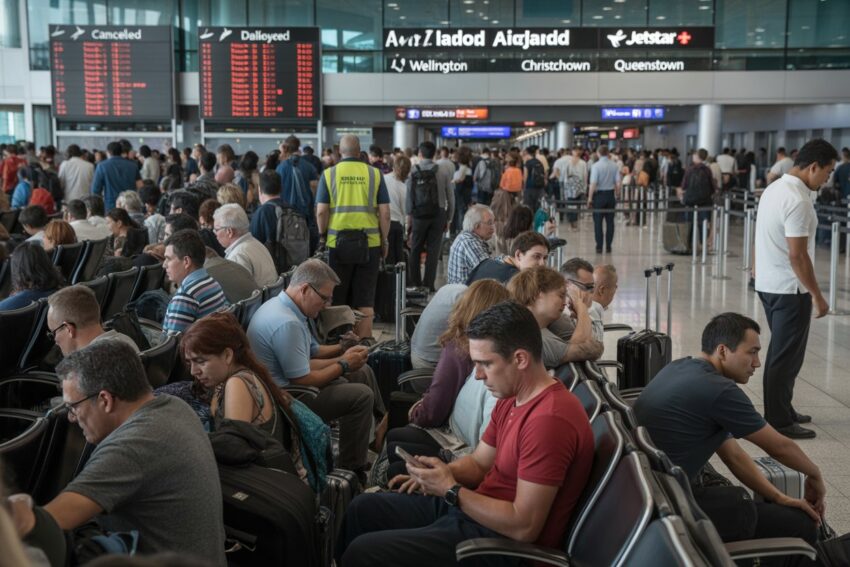
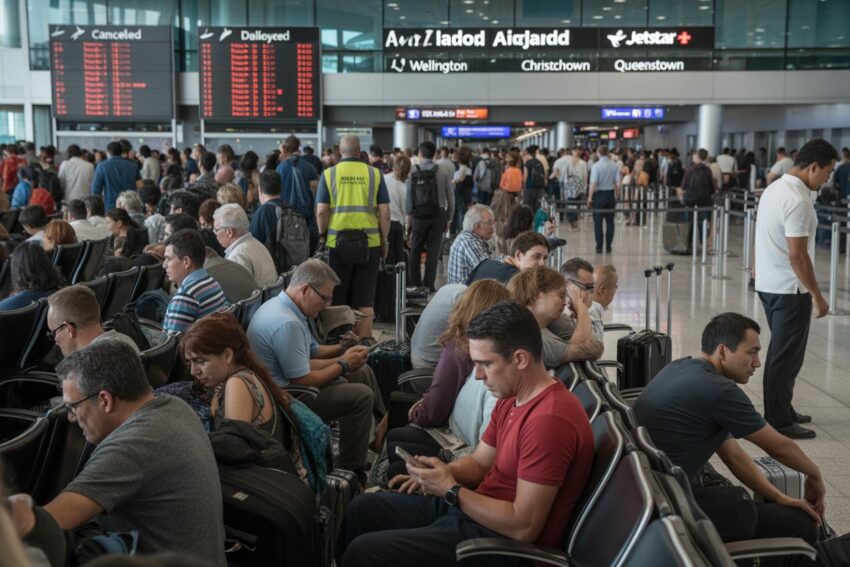
A wave of travel disruptions has hit New Zealand’s key airports, leaving hundreds of passengers stranded and frustrated as a total of 94 flights were delayed and 10 cancelled. Auckland, Wellington, Christchurch, Queenstown, Tauranga, and Napier airports bore the brunt of the chaos, with flight boards constantly updated as travellers were left scrambling for new connections and information.
These disruptions come as a surprise during what was expected to be a smooth holiday and travel season, and the effects were felt across the country, as key international and domestic flights were delayed for several hours. While airport authorities worked hard to manage the fallout, the sheer scale of the delays — especially at major hubs like Auckland and Wellington — highlighted ongoing challenges in maintaining consistent operations during peak travel periods.
Auckland: The Hub of Disruption
Auckland, New Zealand’s busiest and most significant international gateway, recorded 60 flight delays and 6 cancellations, contributing heavily to the nationwide disruption. The delays at Auckland were caused by a combination of factors, including weather conditions and staffing shortages, both of which placed immense pressure on the airport’s ability to manage timely departures.
Passengers at Auckland were seen in long queues, anxiously checking flight status boards that seemed to change by the minute. Many travellers had their holiday plans disrupted, with business travellers missing important meetings and families unsure whether they would reach their destinations in time.
Passenger Stories: Frustration and Resilience
Amid the chaos, passengers at Auckland shared mixed feelings of frustration and determination. One passenger, a business traveller on his way to a critical meeting, expressed disappointment at having missed his flight after waiting in a queue for hours. Others, including families and tourists, expressed their concern about how the delays would affect their itineraries, some forced to extend their stays at the airport, waiting for rescheduled flights.
Despite the frustrating circumstances, many passengers were quick to credit the airport staff for their hard work and efforts to manage the unexpected surge in requests for assistance. However, with the volume of passengers growing each year, it’s clear that Auckland Airport faces an uphill battle in managing operational challenges.
Wellington and Christchurch: Struggling to Maintain Schedules
Wellington International Airport, New Zealand’s capital city gateway, reported 9 delays and 1 cancellation, while Christchurch International Airport logged 14 delays and 1 cancellation. Despite being smaller airports, these hubs also felt the strain as their schedules were affected by congestion at Auckland and operational bottlenecks.
In Wellington, passengers were frustrated by the limited options to rebook, with many travellers looking for alternative routes and destinations. The airport’s staff did their best to assist passengers, directing them to available customer service areas and keeping them updated about rescheduling. However, some passengers expressed concern that the airport’s infrastructure was ill-prepared for the volume of requests.
Christchurch, located on the South Island, was also impacted by the delays, with local and international connections delayed by several hours. The Christchurch delays, while not as widespread as those in Auckland, still had an impact on passengers trying to catch connecting flights to the South Island.
Queenstown, Tauranga, and Napier: Smaller Airports Face Challenges Too
Queenstown Airport recorded 5 delays, Tauranga Airport saw 3 delays, and Napier Airport had 3 delays and 2 cancellations. While these airports are smaller in terms of passenger volume, the disruptions were still significant, especially for those whose travel plans depended on smaller regional routes.
At Queenstown, a popular tourist destination known for its breathtaking scenery, delays affected many inbound and outbound flights. Passengers trying to connect from international hubs like Auckland were frustrated by the delays, missing tours, or additional connections. In Tauranga and Napier, domestic travellers were forced to rebook as local flights were delayed due to traffic congestion and delays in larger international airports.
Why Are New Zealand Airports Struggling with Delays?
The delays at New Zealand airports can be attributed to several factors, including weather conditions, heavy air traffic, and staffing issues at airports and airlines. While weather disruptions are often difficult to predict, air traffic management continues to be a critical concern, particularly during peak seasons. New Zealand has also faced challenges in recent months with airport staffing, which has exacerbated the impact of delays and cancellations. Airport officials have promised improvements, but these challenges underscore the need for greater investment in infrastructure and staff training to handle growing passenger numbers.
Airport Authorities Work to Manage the Disruption
In response to the disruptions, airport authorities across New Zealand, including the Civil Aviation Authority of New Zealand (CAANZ), have been working closely with airlines to manage the backlog. Passengers were urged to stay in contact with their airlines for real-time flight updates and to check the status of their connections. Many airlines offered to assist stranded travellers with rebooking, compensation for missed flights, and advice on how to navigate the delays.
Passenger Communication is Key
Throughout the disruptions, communication between airport authorities, airlines, and passengers was crucial. Timely updates via digital signage and mobile alerts helped some passengers stay informed, but others felt there was a lack of proactive communication in areas like waiting times and alternative arrangements. The need for better communication strategies during such events is something both passengers and airport authorities have expressed as a priority for future travel disruptions.
The Human Cost of Air Travel Delays: Impact on Passengers
The human cost of these delays and cancellations was evident throughout the day. Tired and stressed passengers were forced to wait hours for updates, while some families missed connecting flights to their holiday destinations. In one instance, a family of four from Auckland had to endure a 5-hour delay, missing a pre-booked vacation. “We were looking forward to our first holiday in years, and now it’s just been ruined by all this waiting,” one traveller remarked, while another shared their frustration about missing their important business meeting.
The emotional toll was evident in the terminals, with passengers expressing feelings of helplessness and frustration. While airport staff did their best to ease the tension, passengers continued to voice concerns about how these delays could affect their future travel plans.
Looking Ahead: How New Zealand’s Airports Can Improve
While these disruptions were significant, they serve as a reminder of how important it is to invest in aviation infrastructure and improve operational efficiency. Authorities and airlines in New Zealand have been urged to review their handling of disruptions, particularly in terms of communication with passengers, staffing levels, and contingency planning for severe weather.
The country’s airports will need to better manage the increasing passenger traffic in the coming years to avoid similar problems. Passengers will also need to consider building more flexibility into their travel plans, especially during peak seasons when delays are more likely.
Conclusion: Navigating the Future of Air Travel in New Zealand
Despite the chaos and frustration of flight delays and cancellations, New Zealand’s airports are continuing to improve their systems and operations to better handle these disruptions. For now, travellers will need to remain patient and prepared for the possibility of delays, especially during peak travel periods. The resilience of New Zealand’s airport staff, though challenged by the events, remains an essential part of the country’s aviation ecosystem.
The post Hundreds of Passengers Stranded in New Zealand as Auckland, Wellington, Christchurch, and Queenstown Airports Face Massive Delays and Cancellations with 94 Flights Affected, 10 Cancelled, Disrupting Major Airlines Including Air New Zealand, Jetstar, and More! appeared first on Travel And Tour World.
