
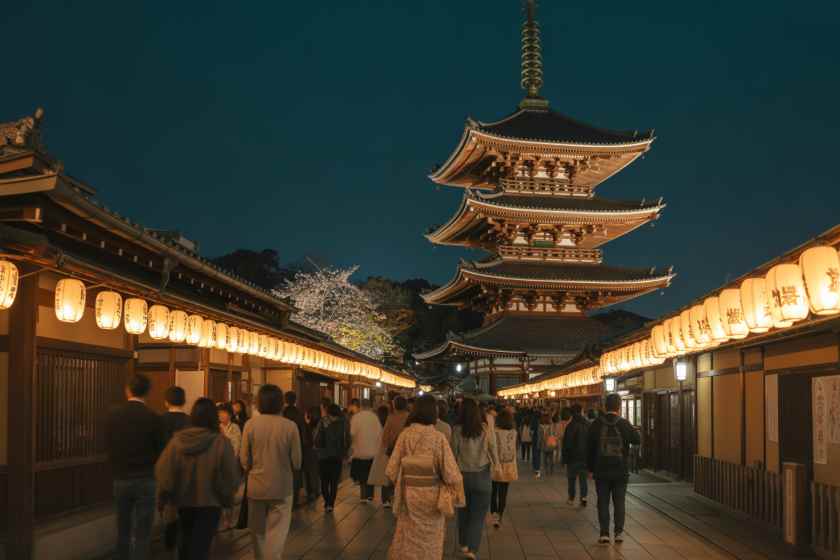

Kyoto, Japan’s ancient cultural heart, continues to captivate travellers with its temples, gardens, and traditional streets. But from 1 March 2026, visitors will face new accommodation tax charges that could affect their travel budgets.
The city’s authorities have updated the tax system to better manage increasing tourist numbers, preserve heritage sites, and fund local infrastructure improvements. With millions of visitors each year, Kyoto aims to balance tourism growth with the protection of its iconic landmarks. This change is part of a broader plan to make the city’s tourism sustainable while keeping experiences enjoyable for every traveller.
Understanding the New Accommodation Tax Structure
Kyoto’s accommodation tax now follows a tiered system based on nightly room costs per person. This change ensures that travellers know exactly what they will pay depending on the type of lodging they choose.
- Under ¥6,000 per night — a small fee
- ¥6,000–¥19,999 per night — moderate charge
- ¥20,000–¥49,999 per night — noticeable rise
- ¥50,000–¥99,999 per night — significant increase
- ¥100,000+ per night — substantial addition
These fees are applied per person, per night, and are separate from meals or additional hotel services. Budget travellers will experience minimal changes, but those booking luxury suites will notice a larger impact on total expenses. This structure also helps the city generate funds for maintenance and tourist services while promoting responsible travel.
Why Kyoto Is Raising the Tax
Kyoto has long been a magnet for international and domestic tourists. Popular districts, including Gion and Higashiyama, attract large crowds daily. The surge in visitors has put pressure on narrow streets, temples, and public transportation.
City officials have redesigned the accommodation tax not to discourage visitors but to support sustainable tourism. The extra funds will enhance public services, maintain cultural sites, and improve transportation, ensuring that both residents and travellers enjoy a safe and pleasant city. The adjustment is part of Kyoto’s long-term strategy to balance tourism growth with the preservation of its world-renowned heritage.
Practical Impact on Travel Budgets
For global travellers, this tax change is an important consideration when planning Kyoto trips.
- Budget stays: Small guesthouses and hostels will only see minor increases in nightly fees.
- Mid-range hotels: Travellers should expect a moderate rise, making careful planning essential.
- Luxury accommodations: Premium hotels and ryokans will experience the largest tax increases, particularly for rooms costing over ¥100,000 per night.
Adding these taxes to accommodation costs is crucial for accurate budgeting. It’s recommended to confirm the total price, as some hotels collect the tax at check-in while others at check-out. By understanding the rates in advance, visitors can avoid surprises and make informed decisions when booking.
Tips for Smart Kyoto Travel
Travel planners can navigate this change with some simple strategies.
- Book early: Reserve accommodations in advance to lock in rates before taxes.
- Compare options: Consider nearby cities such as Nara or Uji for day trips while saving on lodging.
- Use public transport passes: Efficient travel around Kyoto reduces extra costs.
- Focus on experiences: Kyoto’s cultural sites, gardens, and temples are the true value of the trip.
- Plan according to season: Cherry blossom and autumn leaf seasons are magical but busy; tax-inclusive budgeting helps prevent overspending.
These tips help travellers make the most of Kyoto’s offerings while accommodating new expenses.
Preserving Kyoto’s Timeless Charm
Despite the tax increase, Kyoto remains a must-visit city. Walking through bamboo groves, exploring UNESCO World Heritage temples, and enjoying traditional tea ceremonies continue to make it a unique destination.
The accommodation tax contributes to a more organised, cleaner, and culturally preserved city. It allows Kyoto to invest in tourism services, maintain safety standards, and sustain its historic sites for generations. For global travellers, understanding these costs is part of embracing responsible and rewarding travel.
Final Thoughts for 2026 Visitors
Kyoto’s new accommodation tax is a step toward sustainable tourism, ensuring the city remains both welcoming and well-preserved. Travellers planning trips should integrate these costs into their budgets while focusing on the incredible experiences the city offers.
From quiet gardens to vibrant streets, Kyoto continues to offer a journey through time. By preparing for the tax changes, visitors can explore freely, enjoy fully, and contribute to a tourism model that balances enjoyment with preservation.
Planning ahead, budgeting wisely, and travelling responsibly will ensure that every visitor experiences Kyoto’s unmatched cultural charm in 2026 and beyond.
The post Plan Your Kyoto Trip Smartly: 2026 Accommodation Tax Hike Explained for Budget, Mid‑Range, and Luxury Travellers appeared first on Travel And Tour World.
