
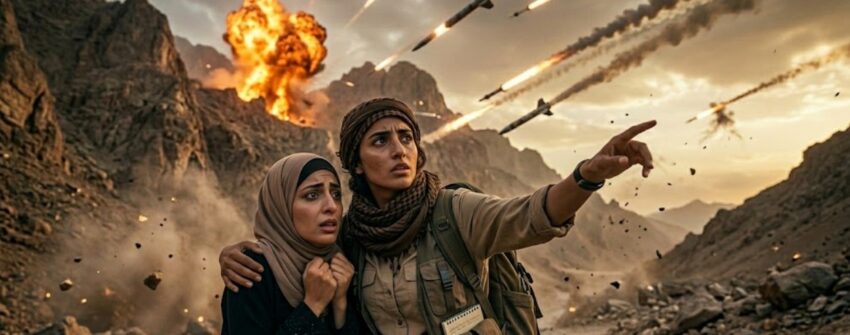
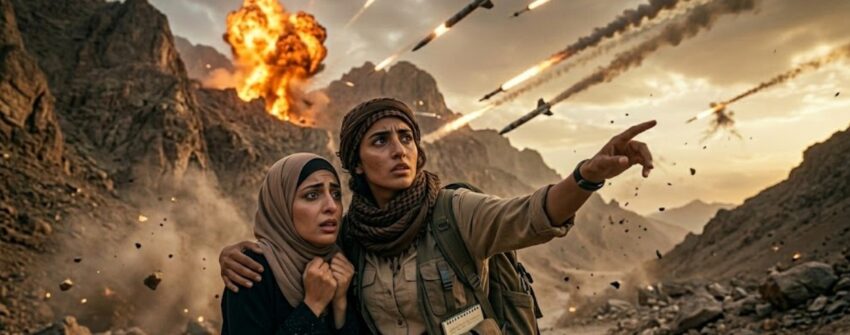
In March 2026, a wave of missile and drone strikes launched by Iran shattered the stability of the Middle East, deeply affecting tourism. Countries such as Bahrain, Iraq, Jordan, Kuwait, Qatar, Saudi Arabia, and the UAE were targeted, with civilians endangered and infrastructure damaged. The strikes were condemned as reckless by a joint statement from the United States and regional partners. Despite effective air defence systems that intercepted most projectiles, debris still caused fatalities, such as the death of a resident in the UAE and injuries in Qatar. The psychological impact on tourists was profound, as they faced cancellations, airspace closures, and evacuations. Hotels turned into shelters, and many tourists, once enjoying luxurious resorts and historic sites, were confined to indoor areas. The psychological toll included panic attacks and heightened stress among travellers. Global governments quickly issued travel advisories, urging nationals to remain indoors or leave when possible. The tourism sector was left reeling from revenue loss, with a long-term recovery expected. The region’s vulnerability to geopolitical instability became glaringly clear, showing how critical dialogue and preparedness are to maintaining tourist safety and ensuring a resilient future.
UAE: Interceptions and Desolation
In the United Arab Emirates, a barrage of ballistic missiles and drones was fired from Iran towards key cities. The projectiles were intercepted by the Emirati air defence network, yet debris was scattered across residential districts. According to official reports, one resident was killed and material damage was inflicted on buildings[3]. A subsequent wave was intercepted with debris falling in Abu Dhabi and Dubai but no injuries were reported[9]. Visitors sheltered in hotel basements as sirens wailed and authorities urged the public to rely on official sources. Luxury malls and beaches were completely deserted as safety warnings were broadcast continuously.
Qatar: Injuries and Nightfall Silence
In Qatar, the security apparatus was placed on high alert as missiles were launched towards the peninsula. The projectiles were largely intercepted, yet falling debris caused eight new injuries, bringing the total to sixteen, and limited material damage[4]. Residents and visitors were instructed to remain indoors, avoid unidentified objects, and call emergency teams if debris was discovered[4]. Civil Defence and health‑care crews were swiftly dispatched and field teams were deployed to clear wreckage from streets and protect infrastructure. Souq Waqif and the Corniche, usually bustling with tourists, were eerily quiet as authorities urged reliance on official sources and public calm.
Bahrain: Hotel Panic and Evacuation
In Bahrain, the shock of the attacks was felt acutely when the Crowne Plaza hotel in Manama was struck. Injuries were reported among guests[5]. Visitors were warned to avoid hotels, take shelter in stairwells during sirens and stay away from windows[5]. The U.S. Embassy urged citizens to watch for falling debris even if missiles were intercepted[5]. Mosques, souks and museums quickly closed temporarily. The usual nightly bustle on the Manama corniche was replaced by empty streets and tense quiet. Families staying at hotels hurriedly evacuated as sirens echoed across the capital. Panic spread among tourists as embassies contacted for advice.
Iraq & Kurdistan: Red Warnings and Empty Bazaars
In Iraq and the autonomous Kurdistan region, travel warnings were escalated to the highest level after intelligence suggested that hotels in Erbil including the Rotana, Divan, Crystal and Sheraton might be targeted[6]. Airspace over Iraq was closed from 28 February and travellers were instructed to remain indoors during explosions[6]. Departures were redirected to the Ibrahim Khalil/Habur border crossing with Turkey where long queues formed, and the crossing’s limited hours of operation led to frustration[6]. Demonstrations erupted near consular offices as tourists sought documents. Historic sites such as the Citadel of Erbil and the bazaar were vacated by authorities amid fear.
Israel: Closed Skies and Deserted Holy Sites
In Israel, airports and tourist sites were almost entirely shut after missiles and drones were launched toward the country. The Netherlands Ministry of Foreign Affairs reported that the airspace was closed and travellers were instructed to contact tour operators to exit via land[7]. The only viable routes were through border crossings with Jordan and Egypt, which operated under limited hours and witnessed long queues[10]. Hotels in Jerusalem and Tel Aviv emptied as guests left for safer areas. Religious pilgrimage sites, museums and beaches were completely deserted. Anxiety was heightened as visitors were told to carry travel documents at all times.
Oman & Kuwait: Calls for Dialogue and Precision Defence
In Oman and Kuwait, the missile crisis was approached differently. Oman’s Ministry of Foreign Affairs called urgently for an immediate halt to attacks across Saudi Arabia, the UAE, Qatar, Kuwait, Bahrain, Iran, Iraq and Jordan and condemned the violations of international law[2]. In Kuwait, ballistic missiles were fired at Ali al‑Salem Air Base; they were intercepted by Kuwaiti air defence and debris fell around the base[11]. Visitors were urged to avoid military zones and respect curfews. Government spokespersons emphasised that citizens, residents and tourists remained safe and that official channels should be trusted. Tourist resorts in Muscat and Salmiya emptied.
Saudi Arabia & Jordan: Interceptions and Caution
In Saudi Arabia and Jordan, the threat of the missile wave was palpable. Bahrain’s Ministry of Foreign Affairs condemned Iran’s attacks and noted that Saudi Arabia and Jordan were among the targets while praising the air defence systems that intercepted many missiles[12]. In Jordan, the Royal Jordanian Air Force was reported to have intercepted ballistic missiles during routine sorties, and authorities assured residents that the sounds were normal exercises[13]. Mosques and tourist attractions in Riyadh and Amman were completely closed as precautionary measures. Visitors were strictly instructed to remain indoors, monitor official messages and avoid gatherings until the danger subsided.
Air Defence & Debris: Hidden Dangers
The success of regional air defence systems was hailed as missiles and drones were shot down above cities across the Gulf. Patriot batteries and local interceptors achieved remarkable success, yet each interception produced dangerous debris. In the UAE one person was killed when fragments of a missile fell on a residence[3], and in Qatar sixteen injuries were recorded[4]. Debris also fell in Kuwait near the Ali al‑Salem Air Base[11] and elsewhere. Officials emphasised that even intercepted projectiles posed a lethal threat and that people should remain under cover until informed. Emergency crews were kept busy clearing streets and assessing damage.
Flight Chaos & Airspace Closures
A region‑wide flight crisis unfolded as airspace closures and cancellations were enacted. Iraq closed its skies from 28 February and travellers were told to leave via the Ibrahim Khalil border crossing[6]. Israel’s airspace was closed and tourists were advised to contact operators for land evacuations[7]. Messages sent to Dutch nationals in Saudi Arabia and Kuwait warned that airspace might close, flights could be cancelled and airport checks would be intensified[14][15]. British travel advisories urged nationals in the UAE to shelter in place and avoid travel[8]. Travellers slept in terminals and improvised. Flight schedules were scrambled at airports across the Gulf.
Hotel Panic & Tourist Reactions
Hotels across the region were transformed into shelters. In Manama, guests at the Crowne Plaza crouched in stairwells and interior rooms[5]. In Erbil, warnings about potential attacks on the Rotana, Divan, Crystal and Sheraton hotels prompted management to move guests to underground car parks[6]. In the UAE, luxury resorts ushered visitors into basements as sirens sounded[3]. Hotel lobbies that usually bustled with travellers became eerily silent. Televisions were tuned to government broadcasts and social media feeds were monitored for alerts. Meal services were disrupted and staff were directed to prioritise safety over comfort. Guests huddled together for reassurance and solace.
Psychological Shock & Trauma
The psychological toll on travellers was severe. People who had booked relaxing holidays found themselves thrust into conflict. Witnesses described hearing explosions, seeing flashes of light, and feeling buildings shake. Some experienced panic attacks, while others were immobilised by fear. Psychologists noted that acute stress reactions were common and that children were particularly vulnerable. Embassies offered counselling services and hotlines. The absence of quoted speech left stories untold, but social media posts conveyed fear and confusion. Long after the missiles stopped, visitors reported insomnia and lasting nightmares. The trauma of the March attacks was likely to influence future travel decisions.
Global Advisories & Travel Warnings
As the attacks unfolded, governments around the world updated travel advisories with unprecedented speed. The Netherlands raised its advice for Iraq to red and warned citizens to avoid Erbil hotels, remain indoors and leave via land[6]. Similar warnings were issued for Israel, Saudi Arabia and Kuwait[7][14]. British authorities urged nationals in the UAE to shelter in place, avoid travel and register with consular services[8]. Messages from the Dutch Information Service urged nationals to prepare for cancelled flights and stricter airport checks[15]. Many governments suspended consular services, telling citizens to rely on official websites and social media for updates and advice.
Tourism Future & Industry Consequences
The March 2026 attacks left a scar on the Middle East’s tourism industry. Travel bookings were cancelled, revenue streams were disrupted, and investors reconsidered future projects. In Oman, officials emphasised diplomacy and dialogue as the only sustainable solution[2]. Hotel associations forecasted months of recovery. Airlines faced sharp declines in passenger numbers and insurance premiums rose. Tour operators in Israel, Jordan and the Gulf reported mass cancellations and refunds. The brand image of iconic destinations was deeply tarnished and questions were raised about security preparedness. A renewed focus on crisis planning and regional cooperation was expected to shape the industry’s future.
Conclusion
By the time the missile and drone attacks subsided, the scale of disruption to Middle Eastern tourism was unmistakable. What began as a sudden wave of Iranian projectiles targeting military and infrastructure sites spread fear into coastal resorts, desert cities and ancient pilgrimage routes. One death in the UAE, sixteen injuries in Qatar and multiple injuries in Bahrain were recorded[3][4][5]. Airspace closures stranded thousands of travellers, hotels became bunkers and once bustling attractions were emptied. Queues at land borders with Turkey, Jordan and Egypt stretched as travellers waited to leave and embassy phone lines were overwhelmed. Governments around the world condemned the attacks[1] and Oman called for dialogue and adherence to international law[2]. Air defence systems were credited with saving lives, but debris reminded people that even successful interceptions carried danger[3][4]. Tourists found themselves navigating crisis instructions, border crossing logistics and mental trauma. Many said that memories of fear, not photographs, would be carried home. Airlines, tour operators and hospitality companies faced unprecedented challenges. Bookings were cancelled en masse, and the revenue outlook for 2026 was downgraded. Insurance companies reassessed risk models and investors paused expansions. The psychological impact on travellers was less measurable but equally profound; insomnia, panic attacks and anxiety were widely reported. These collective experiences highlighted vulnerabilities that governments and the tourism industry must address. Official communication channels were relied upon for timely advice, yet misinformation still circulated. The events underscored the interconnectedness of travel networks: an attack in one country reverberated across airlines, hotels and tour operators globally. Recovery would require not only physical rebuilding but also the restoration of trust. Authorities would need to invest in resilient infrastructure, crisis training and clear communication. Regional cooperation on air defence and diplomacy would be essential to reassure visitors. While the missiles and drones of March 2026 have been silenced, their echoes continue in policy debates, safety protocols and travellers’ memories. The lessons learned may shape future tourism strategies for years to come.
Summary Table of Affected Regions
| Country/Region | Affected sites | Impact |
| UAE | Abu Dhabi & Dubai residential districts; hotels & malls | Debris from intercepted missiles killed one person and caused material damage[3] |
| Qatar | Doha (Souq Waqif, Corniche) | 16 injuries and limited damage; debris warnings[4] |
| Bahrain | Manama (Crowne Plaza hotel, mosques, souks) | Hotel hit; injuries; residents told to avoid hotels[5] |
| Iraq & Kurdistan | Erbil (Rotana, Divan, Crystal, Sheraton hotels; Citadel & bazaar) | Airspace closed; warnings about attacks on hotels; travellers told to leave via land[6] |
| Israel | Airports; hotels in Jerusalem & Tel Aviv; pilgrimage sites | Airspace closed; border crossings limited; tourists evacuated[7][10] |
| Kuwait | Ali al‑Salem Air Base area; resorts in Salmiya | Missiles intercepted; debris fell; visitors told to avoid military zones[11] |
| Saudi Arabia & Jordan | Riyadh & Amman attractions, mosques | Air defence intercepted missiles; sites closed; public told to stay indoors[12][13] |
| Oman | Muscat resorts; general national tourism | Government called for halt to attacks; emphasised diplomacy[2] |
| Region‑wide | Airports, hotels, tourist attractions | Flight chaos; advisories; psychological trauma; economic losses[14][8] |
Sources:
[1] Joint Statement on Iran’s Missile and Drone Attacks in the Region – United States Department of State
https://www.state.gov/releases/office-of-the-spokesperson/2026/03/joint-statement-on-irans-missile-and-drone-attacks-in-the-region
[2] Oman calls for immediate halt to attacks against sites in countries across the region | fm.gov.om
https://www.fm.gov.om/en/38129/
[3] Home | Emirates News Agency
https://www.wam.ae/en/article/byyv9j5-uae-announces-successful-interception-several
[4] Qatar news agency
https://qna.org.qa/en/search
[5] Security Alert: Update 5 – U.S. Embassy Manama, Bahrain – U.S. government personnel moved from hotels (March 1, 2026) – U.S. Embassy in Bahrain
https://bh.usembassy.gov/security-alert-update-5-u-s-embassy-manama-bahrain-u-s-government-personnel-moved-from-hotels-march-1-2026/
[6] [7] [10] [14] [15] Situation Middle East: updates from the Ministry of Foreign Affairs | Weblogs | Government.nl
https://www.government.nl/latest/weblogs/the-work-of-the-ministry-of-foreign-affairs/2026/situation-middle-east-news
[8] United Arab Emirates travel advice – GOV.UK
https://www.gov.uk/foreign-travel-advice/united-arab-emirates
[9] Home | Emirates News Agency
https://www.wam.ae/en/article/byyva09-uae-air-defense-systems-successfully-intercepted
[11] Home | Emirates News Agency
https://www.wam.ae/en/article/byyv9uj-kuwait-successfully-intercepts-ballistic-missiles
[12] Home | Emirates News Agency
https://www.wam.ae/en/article/byyva8t-bahrain-strongly-condemns-iranian-missile-attacks
[13] Qatar news agency
https://qna.org.qa/en/news/news-details
The post Bahrain Joins Jordan, Kuwait, Qatar, Saudi Arabia, and UAE in Attacks Led by Iran Perpetuated a Shattering Tourist Nightmare as the Bombardment of Gulf States Sparks Global Panic appeared first on Travel And Tour World.
