
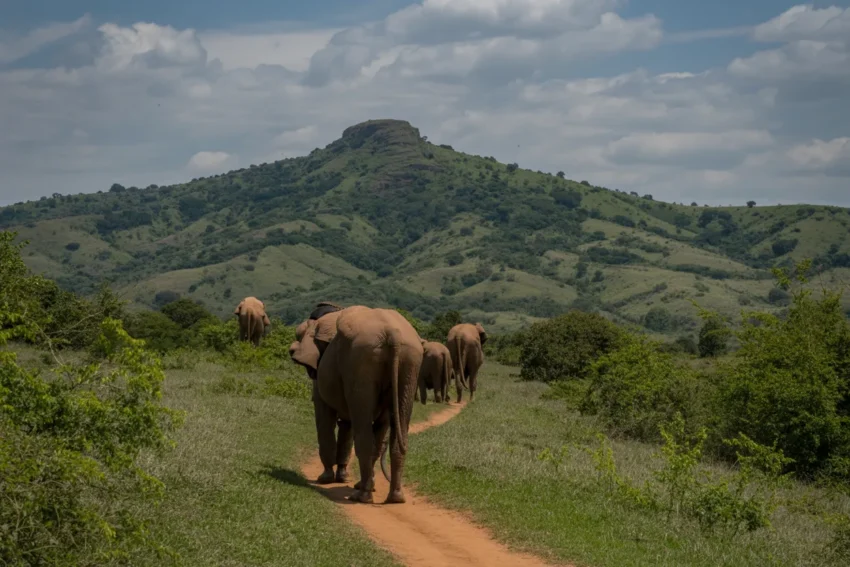
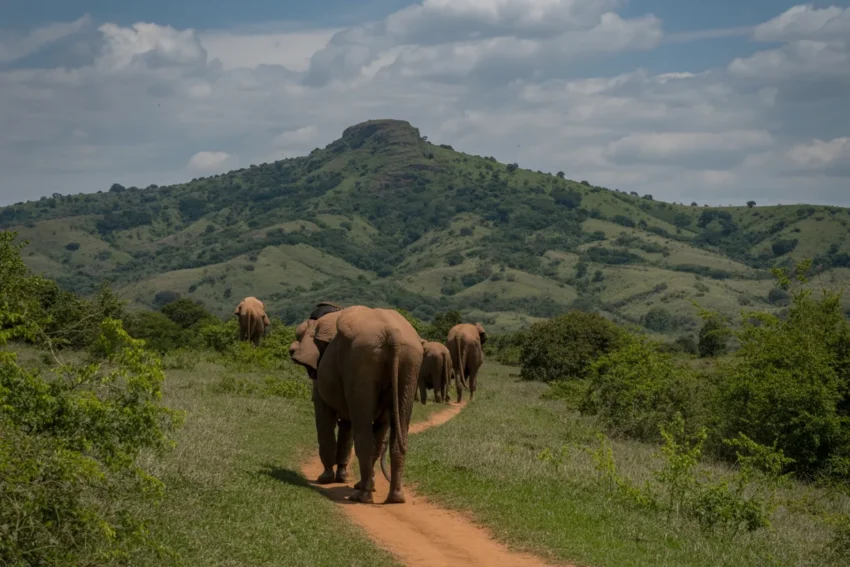
The advancement of internationally recognized safety and rescue capacity is being prioritized by the Ministry of Tourism, Wildlife and Antiquities to redefine the visitor experience in Rwenzori Mountains National Park. Through the implementation of a sophisticated Training of Trainers (ToT) initiative, a technical backbone of elite personnel is being established to oversee emergency response across the mountaineering value chain. These efforts are strategically designed for improving tourist confidence and ensuring that Uganda is positioned as a competitive global adventure tourism destination. By embedding specialized rescue and emergency training into the core operations of frontline staff, the nation is actively supporting growth in mountaineering tourism and securing its reputation as a leader in high-altitude safety within the East African region.
The Mountains Of The Moon: Why Safety Is The New Luxury
A fundamental shift in the management of high-altitude expeditions is being observed as the Uganda Wildlife Authority (UWA) intensifies its focus on operational excellence. The rugged terrain of the Rwenzori Mountains, famously known as the Mountains of the Moon, presents unique challenges that necessitate a highly skilled workforce. It is reported that a comprehensive program has been launched to equip at least 1,000 frontline workers, including rangers, guides, porters, and cooks, with advanced survival and medical competencies. This initiative is viewed as a critical milestone in the professionalization of the sector, ensuring that every expedition is backed by a robust safety net that meets global benchmarks.
Elite Training For Extreme Heights: The Making Of A Rescue Master
The training curriculum, facilitated by the Sentinel Outdoor Institute, is noted for its rigor and alignment with international best practices. Participants are subjected to intensive modules covering Wilderness Advanced First Aid (WAFA), Cardiopulmonary Resuscitation (CPR), and complex field evacuation criteria. It is emphasized that these skills are essential for managing the inherent risks associated with Margherita Peak and other glacial zones. By mastering improvised rescue techniques and splinting methods, the frontline staff is transformed into a specialized emergency response unit capable of navigating the unpredictable weather patterns and steep ascents of the Albertine Rift.
Scaling New Heights: How Visitor Numbers Are Defying The Odds
The impact of these safety enhancements is already being reflected in the official tourism statistics. According to records from the Rwenzori Mountains National Park, visitor arrivals surged from 7,703 in the 2023–2024 financial year to 10,483 in the 2024–2025 period. This steady rise is attributed to a combination of infrastructure upgrades, aggressive marketing, and the heightened assurance of visitor safety. It is argued that as travelers become more risk-averse, the presence of a certified rescue team becomes a primary factor in destination selection, thereby driving sustainable revenue growth for the local economy.
Beyond The Summit: The Green Ethics Of Professional Mountaineering
In addition to medical and rescue skills, a significant emphasis is placed on the Leave No Trace (LNT) outdoor ethics. It is maintained that professional standards must encompass environmental stewardship to preserve the fragile alpine ecosystem of this UNESCO World Heritage Site. Frontline staff are trained to manage waste, minimize trail damage, and educate hikers on the importance of biodiversity conservation. This holistic approach ensures that the expansion of the tourism sector does not come at the expense of the natural wonders that attract visitors in the first place.
The Global Competitive Edge: Why Uganda Is Winning The Adventure Race
The strategic positioning of Uganda as a top-tier adventure hub is being bolstered by the formalization of safety protocols. It is observed that by standardizing rescue methods and documentation, the Ministry of Tourism is building long-term trust with international tour operators and global travel markets. The goal is to move beyond localized efforts and establish a national framework for disaster risk management in protected areas. This institutional capacity is expected to lure high-spending mountaineers who seek both the thrill of a challenging climb and the peace of mind provided by world-class support systems.
Empowering The Frontline: From Local Porters To Certified Life Savers
The transformation of local community members into certified safety professionals is a key highlight of the current development plan. Porters and guides from the Bakonzo and Bamba communities are being integrated into the formal training structures, providing them with valuable skills that enhance their employability and leadership within the park. It is noted that these individuals are often the first responders during an emergency; therefore, elevating their technical proficiency is vital for the success of any rescue mission. This grassroots empowerment is recognized as a sustainable model for community-led conservation and tourism development.
The Future Of High-Altitude Safety: Helicopters, Radios, And Rescue Camps
Looking forward, the Uganda Wildlife Authority has outlined plans for further technological and logistical advancements. A feasibility study on the deployment of a dedicated rescue helicopter is being considered to reduce evacuation times from remote peaks. Additionally, the establishment of high-altitude rescue camps equipped with essential drugs and specialized equipment is planned near strategic locations such as Lake Bujuku and Fresh Field Pass. These future interventions, combined with updated radio communications and satellite tracking, are intended to create a fail-safe environment for extreme adventure.
A Decisive Turning Point: The National Tourism Policy Of 2025
The overarching vision for these efforts is rooted in the Uganda National Tourism Policy (2025), which aims to place the country among Africa’s top five tourist destinations. By prioritizing the safety and professional standards of the adventure sub-sector, the government is fulfilling the mandates of Vision 2040 and the National Development Plan (NDPIII). It is concluded that the sustained investment in human resource capacity at Rwenzori Mountains National Park serves as a blueprint for other protected areas, ensuring that the entire nation benefits from a professionalized, safe, and world-class tourism value chain.
The post Inside Uganda’s Elite Rescue Squad: The Secret Team Making Extreme Adventure Tourism Safer and Wilder appeared first on Travel And Tour World.
