
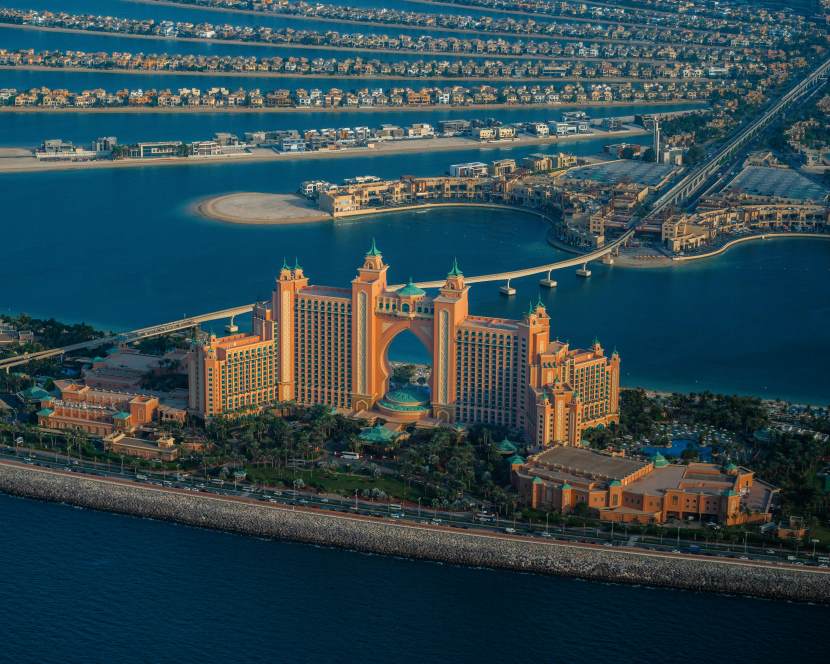
The global travel landscape has been significantly altered as Dubai tourism crisis dynamics emerge from the ongoing Middle East conflict impact. It is observed that a substantial travel industry decline has taken hold of the United Arab Emirates, with data indicating that bookings have dropped by more than fifty percent. This shift is being driven by the heightening geopolitical tensions that have permeated the region, causing a sudden and dramatic shift in traveler sentiment. It is noted that the international flight cancellations have played a major role in this downturn, as safety concerns become the primary driver for potential visitors. The UAE economic stability is being closely monitored by analysts as the luxury destination, once considered a safe haven, deals with the repercussions of neighboring hostilities.
The Impact of Regional Conflict on Travel Bookings
The severity of the situation is highlighted by reports from major travel agencies and hospitality providers in the region. It is revealed that the massive drop in reservations occurred within a remarkably short period, coinciding with the escalation of military activities in the Middle East. While Dubai itself is not a direct party to the combat, the proximity to the theater of war has led to a widespread perception of risk. The luxury hotels and world-renowned attractions that typically see high footfall during this season are now facing unprecedented vacancy rates. It is suggested by industry experts that the usual influx of European and Asian tourists has been redirected to safer alternative destinations, leaving the local market in a state of flux.
Stranded Travelers and Flight Disruptions
The logistical nightmare for those already in the region has reached a critical point. Thousands of travelers have been identified as being stranded within the city as airlines adjust their schedules or suspend operations entirely. It is reported that many international carriers have opted to bypass the airspace over the conflict zones, leading to the cancellation of hundreds of scheduled flights. For those who had planned to return home, the lack of available exits has caused significant distress. Emergency assistance is being sought from various embassies and consulates as foreign nationals look for alternative routes out of the country. Passive measures are being taken by airport authorities to accommodate those who are forced to remain in the terminals for extended periods.
The Economic Consequences for the UAE
The financial implications of this sudden halt in tourism are being felt across multiple sectors of the economy. It is acknowledged that tourism serves as a cornerstone of the non-oil economy for Dubai. With the halving of bookings, the revenue typically generated from shopping festivals, luxury retail, and fine dining has seen a corresponding decline. The labor market within the hospitality sector is also being impacted, as staffing requirements are being re-evaluated in light of the low occupancy. It is maintained by economic observers that the long-term growth targets for the city may need to be adjusted if the conflict persists. The reliance on international connectivity makes the region particularly vulnerable to these types of external shocks.
Security Concerns and International Advisories
Travel advisories issued by various governments have contributed to the current state of affairs. High-level warnings have been distributed by nations across the West, advising citizens to reconsider travel to the broader Middle East region. These advisories are being cited as a primary reason for the mass cancellations. It is observed that even though the infrastructure in Dubai remains intact and operational, the psychological impact of being in a region characterized by instability cannot be overlooked. The safety of passengers and the security of aircraft are being prioritized over commercial interests, leading to a cautious approach by the aviation industry at large.
Infrastructure and Support for the Displaced
Efforts are being made by local authorities to provide support to the individuals who find themselves unable to depart. Specialized help desks have been established at Dubai International Airport to assist with rebooking and accommodation arrangements. It is noted that several hotel chains have offered discounted rates for those who are stuck due to flight cancellations. However, the sheer volume of affected people makes the management of this crisis a monumental task. Communication channels are being kept open between the government and the airlines to ensure that as soon as flight paths are deemed safe, the backlog of passengers can be cleared.
Future Outlook for the Tourism Sector
Questions are being raised regarding the duration of this downturn and the potential for recovery. It is believed that the resilience of the Dubai brand will eventually lead to a rebound, but the immediate future remains clouded by uncertainty. The recovery of the sector is heavily dependent on the cessation of hostilities and the restoration of confidence in regional security. Promotional campaigns that were once focused on luxury and leisure are being reconsidered in favor of messages emphasizing safety and stability. It is anticipated that once the geopolitical situation stabilizes, aggressive marketing strategies will be deployed to lure back the international audience that has currently retreated.
The Broader Regional Implications
The situation in Dubai is reflective of a broader trend affecting the entire Middle East. Tourism hubs across the region are reporting similar declines in activity as the conflict continues to dominate headlines. It is understood that the interconnected nature of modern travel means that instability in one area can have a ripple effect across thousands of miles. The collective economy of the region is being tested by these events, with the tourism and aviation sectors bearing the brunt of the impact. The necessity for a peaceful resolution is being emphasized not only for humanitarian reasons but also for the sake of the global economic health that relies on the free movement of people and goods.
The post Massive Downturn in Dubai Tourism as Middle East Conflict Escalates with Thousands of International Travelers Left Stranded appeared first on Travel And Tour World.
