
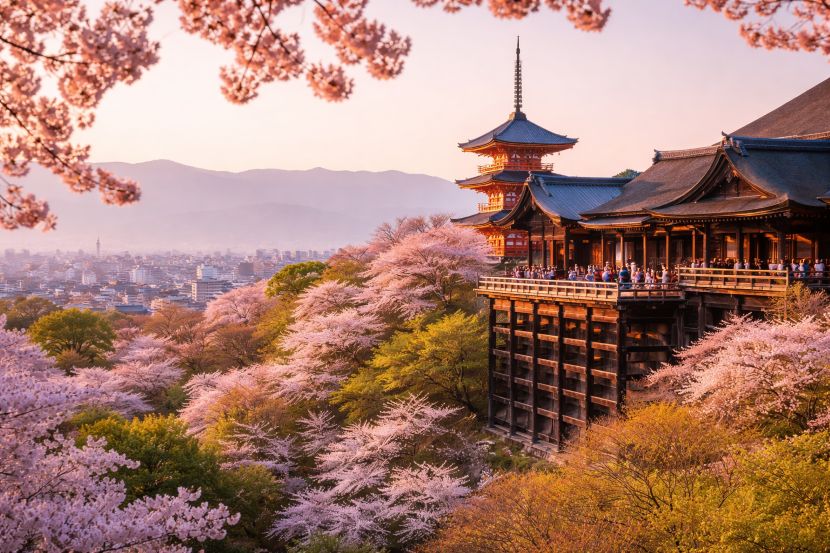
Kyoto is known as Japan’s cultural capital. It is making news for the new hotel tax which is meant to control the flow of tourists. Travelers love this city for its beautiful temples, historic sites, and nature that changes with the seasons. Now, the city is trying to find a balance between the needs of its visitors and residents. In this effort, the city has put a large increase in the tax for those staying in tourist accommodation.
The New Tax: A Move to Control Overtourism
Effective from the start of March 2026, Kyoto has raised its tourist accommodation tax rates to address the challenges of overtourism. The new tax structure charges visitors based on the price of their accommodation, with rates ranging from ¥200 to ¥1,000 (roughly £1 to £5) per night, depending on the cost of the stay. While this tax was initially introduced in 2018 to help manage tourism, this latest increase is designed to address the growing strain on local infrastructure and heritage sites.
Why the Tax Was Introduced
Kyoto’s popularity as a tourist destination has surged in recent years, particularly during the cherry blossom season, when the city’s temples and parks are filled with visitors. However, the influx of travelers has caused concerns about overcrowding at famous tourist spots such as Kiyomizu-dera and Fushimi Inari Taisha. The new tax is a response to these challenges, helping to fund initiatives that protect Kyoto’s cultural heritage and ensure a sustainable future for the city’s tourism industry.
Aiming for Sustainable Tourism
Kyoto is one of Japan’s most iconic cities, attracting millions of visitors annually. The introduction of the higher accommodation tax is part of the city’s broader effort to encourage more sustainable and responsible tourism. Kyoto aims to protect its historical sites, reduce the impact of mass tourism, and ensure that the local infrastructure can support both residents and visitors. The city continues to emphasize that while it values tourism, the well-being of local communities and the preservation of cultural landmarks are top priorities.
How the Tax Affects Travelers
For travelers planning to visit Kyoto, the new tax may be a small but notable addition to the cost of their stay. The amount you pay will depend on the price of your accommodation, and the new rates are expected to affect hotels, ryokans (traditional inns), and even Airbnb properties. While this tax may be seen as a burden by some visitors, it is essential to consider that the funds raised will contribute to the preservation of the very sites that attract tourists in the first place.
Guide for Travelers
If you’re planning to visit Kyoto, here’s a quick guide to help you navigate the new tax:
- Check Accommodation Rates: The higher tax rate applies to more expensive accommodations. Budget travelers can expect to pay the lower rate, while those staying in more luxurious hotels may face the maximum tax.
- Include the Tax in Your Budget: Be sure to factor the new accommodation tax into your travel budget when planning your trip to Kyoto. The tax will be added to your nightly rate, so it’s important to be aware of this extra charge.
- Support Sustainable Tourism: Understand that your contribution to the tax is part of a larger effort to protect Kyoto’s cultural treasures. This tax helps ensure the continued preservation of the city’s temples, shrines, and other historical landmarks.
- Visit During Off-Peak Times: To avoid overcrowding and get a more peaceful experience, consider visiting Kyoto during off-peak seasons. Early spring and late autumn are great times to see the beauty of the city without the crowds.
How Other Cities Are Handling Overtourism
Kyoto is not alone in dealing with the pressures of overtourism. Other cities in Japan, such as Tokyo and Osaka, have also implemented measures to control the impact of mass tourism. Globally, destinations like Venice, Barcelona, and Amsterdam have introduced similar taxes or restrictions to manage the number of tourists and safeguard local environments.
Conclusion: A Step Towards Responsible Tourism
The new hotel tax in Kyoto shows that the city cares for their cultures and traditions and their impact in the tourism industry. It may be more expensive for travelers, but it is a small price to pay to keep the cityu2019s landmarks protected for future generations to see. As the city grows, tourism practices like this one will help keep the balance between protecting and welcoming visitors to the city.
To learn more about the new hotel tax and your plans to visit Kyoto, visit the official website of the city of Kyoto.
The post Exploring Kyoto in Spring 2026? Don’t Miss the Details on the New Accommodation Tax appeared first on Travel And Tour World.
