
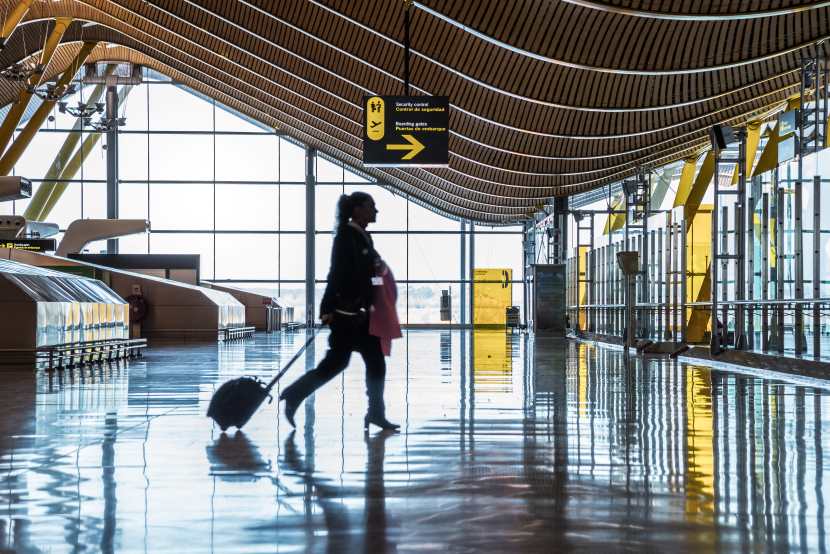
The global aviation landscape is currently being reshaped by significant geopolitical shifts, specifically involving the Iran-Israel conflict and its immediate repercussions on international flight operations. As tensions escalate in the Middle East, the safety of commercial aviation has been placed at the forefront of operational strategies by major carriers. A surge in flight cancellations and extensive airspace disruptions has been observed, particularly affecting the critical corridor connecting Dubai and India. While efforts are being made to resume services, the unpredictability of the regional security situation continues to dictate the flow of air traffic.
The Current State of Air Connectivity
A state of high alert was triggered across the aviation sector following the launch of ballistic missiles by Iran toward Israel. This escalation led to the immediate closure of various airspaces across the region, including those of Jordan, Iraq, and Iran. Consequently, the movement of aircraft was restricted, and dozens of scheduled journeys were either grounded or diverted to alternative hubs. Although some airports, such as Dubai International Airport, have attempted to normalize operations, the backlog of passengers and the need for new flight paths have created a complex logistical challenge.
It is noted by industry observers that the interruption is not merely a temporary pause but a significant logistical hurdle. The reliance on Iranian airspace for routes traveling between Europe, the Middle East, and Southeast Asia means that any closure necessitates much longer detours. These detours involve flying over alternative territories, which increases fuel consumption and extends travel times by several hours. For the Indian diaspora and business travelers frequently moving between the United Arab Emirates and major Indian cities like Mumbai, Delhi, and Bengaluru, these delays have translated into missed connections and extended stays in transit lounges.
Impact on Major Airlines and Passenger Traffic
The ripple effects of the regional instability are being felt acutely by prominent carriers such as Emirates, FlyDubai, Air India, and IndiGo. Large numbers of flights were cancelled abruptly as the security situation worsened. In many instances, aircraft already in the sky were forced to turn back to their origin points or land at unscheduled destinations. The priority of passenger safety was cited by airline spokespeople as the primary reason for these drastic measures.
In India, the Ministry of Civil Aviation and the Directorate General of Civil Aviation have been closely monitoring the developments. Advice was issued to Indian airlines to avoid the affected regions, leading to a complete restructuring of flight paths. Passengers were informed of the cancellations through various communication channels, though the sheer volume of affected individuals led to crowded terminals and increased pressure on customer service desks. It is reported that many travelers were left seeking refunds or alternative bookings, often at significantly higher prices due to the sudden spike in demand for available seats.
Strategic Rerouting and Technical Challenges
The technical aspects of rerouting are being handled by flight dispatchers who must navigate a shrinking number of safe corridors. With the Iranian sky being largely avoided, traffic is being funneled through narrower paths over Saudi Arabia and Egypt. This concentration of aircraft increases the workload for air traffic controllers and raises the potential for further delays. The logistical strain is further compounded by the necessity of refueling stops for aircraft that were not originally configured for the longer flight durations necessitated by the detours.
Furthermore, the financial implications for the aviation industry are substantial. Increased fuel costs and the loss of revenue from cancelled flights are being weighed against the absolute necessity of avoiding conflict zones. The passive observation of regional developments suggests that as long as the threat of further military action remains, the return to a standard flight schedule is unlikely. Airlines are currently operating on a day-to-day basis, with schedules being updated frequently to reflect the most current safety assessments provided by international intelligence agencies.
The Human Element and Ground Realities
At the terminals in Dubai and various Indian airports, the human impact of these geopolitical maneuvers is evident. Families have been separated, and business commitments have been postponed indefinitely. While some flights from Dubai to India have resumed, they are operating under a cloud of uncertainty. The process of re-accommodating thousands of stranded passengers is expected to take several days, provided no further escalations occur.
Ground staff at major hubs have been working extended hours to manage the influx of queries. It is observed that the psychological stress on travelers is as significant as the logistical inconvenience. The fear of being caught in a conflict zone while in transit is a major concern that has led to a decrease in new bookings for the near future. The aviation sector, which was just beginning to find its footing after years of global health-related disruptions, is now faced with a different but equally daunting challenge rooted in territorial disputes and military strategy.
Future Outlook for Regional Aviation
Looking ahead, the stability of the air corridor between the Gulf and South Asia remains tied to the diplomatic outcomes of the current crisis. If a de-escalation is achieved, it is anticipated that airspace will be reopened gradually. However, the precedent set by these disruptions may lead to a permanent shift in how airlines plan their long-term routes. A greater emphasis on flexibility and the ability to pivot operations at a moment’s notice is becoming the new standard for international carriers.
In conclusion, the situation serves as a stark reminder of the interconnectedness of global travel and regional politics. The movement of people between India and the Middle East is a vital economic and social artery that is currently being tested. While the resumption of some flights offers a glimmer of hope, the overarching shadow of the Iran-Israel conflict ensures that the aviation industry remains in a state of cautious vigilance. The focus remains on ensuring that every journey is conducted with the highest regard for safety, even if it means navigating a much longer and more complicated path across the skies.
The post Escalating Geopolitical Tensions Cause Extensive Disruptions to India-Dubai Air Corridor appeared first on Travel And Tour World.
