
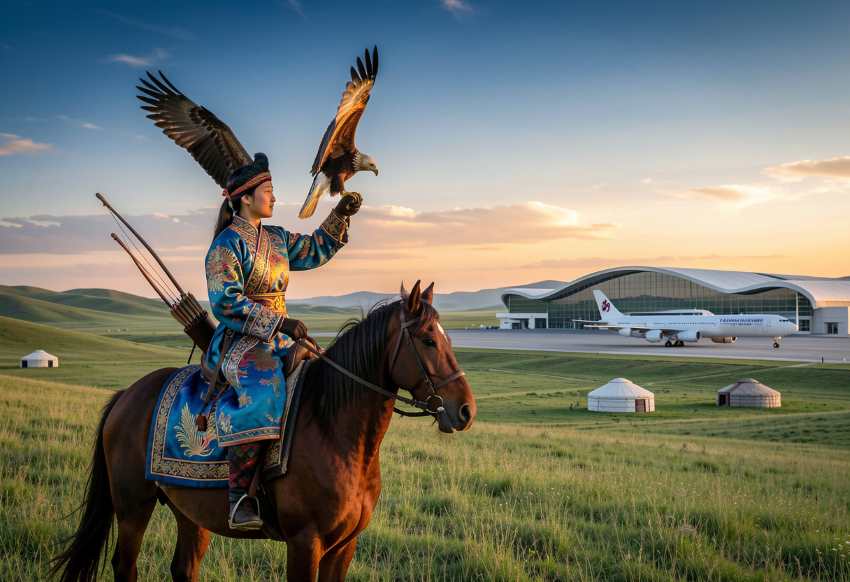

For decades, the vast landscapes of Mongolia were regarded by the global travel community as an enigmatic frontier, frequently overlooked due to its geographical isolation and a perceived seasonal window that felt all too brief. However, a profound evolution is currently underway as this landlocked nation in the heart of Asia orchestrates one of the decade’s most ambitious tourism rebranding efforts. Mongolia is no longer just an “overlooked” destination; it is actively being reshaped into a mandatory stop for the modern traveller, thanks to a government-led strategy and a vision to diversify an economy historically reliant on mineral exports.
A New Era of Accessibility: Open Borders and Open Skies
The traditional barriers to entry that once deterred the curious have been systematically dismantled. As part of the ongoing “Years to Visit Mongolia” campaign—an initiative recently extended by the government through 2028—a radical liberalization of visa policies has been implemented. Visa exemptions were initially granted to an additional 34 nations, including the United Kingdom, France, Denmark, and Australia; however, recent updates from the Ministry of Culture, Sports, Tourism, and Youth confirm that these privileges have been extended through the end of 2026 for many, including South Korean visitors. This brings the total number of visa-exempt territories to over 60, effectively inviting a massive demographic of global explorers to enter the country with unprecedented ease.
This policy shift is supported by a massive overhaul of the nation’s aerial gateways. In the summer of 2021, the state-of-the-art Chinggis Khaan International Airport (UBN) was officially inaugurated. Designed to handle double the capacity of its predecessor, the facility is already being prepared for further expansion in 2026 to accommodate an anticipated surge toward one million annual visitors. Connectivity is being further enhanced by the introduction of historic long-haul routes. By June 2026, the first direct non-stop flight from North America—connecting Toronto to Ulaanbaatar—is expected to be launched by Air Transat, significantly reducing travel times that previously required lengthy transfers through Istanbul or Seoul.
Cultural Resurgence: Honoring the Past, Welcoming the Future
The historical narrative of the Mongol Empire is being preserved and presented with newfound sophistication. The Chinggis Khaan National Museum, an eight-storey architectural marvel in Ulaanbaatar, now serves as the primary custodian of over 10,000 artefacts. A profound exploration of 2,000 years of history is offered here, with the added benefit of complimentary English-language guided tours provided on weekends.
Simultaneously, the living heritage of the nation is being revitalized through traditional sports and arts. The legendary Naadam Festival remains the crown jewel of the Mongolian calendar. Its ancient roots in archery, wrestling, and horse racing—skills originally championed by Genghis Khan to maintain the readiness of his warriors—are celebrated with fervour every July. While tickets for the opening ceremony in Ulaanbaatar remain the most sought-after prize in the city, the spirit of the festival is echoed in a resurgence of mounted archery. At the Namnaa Academy, the fundamentals of this ancient discipline are being taught to a new generation of enthusiasts by masters of the craft. Furthermore, the traditional Mongolian script, Mongol bichig, is being actively preserved at the Erdenesiin Khuree Calligraphy Center in the historic capital of Karakorum, ensuring that the nation’s linguistic soul remains vibrant.
Adrenaline and Ice: The New Frontier of Adventure
For the intrepid traveller, the Mongolian wilderness is being redefined as a playground for high-octane exploration. Extensive motorcycle expeditions, such as those traversing 1,700 kilometres from the capital to the rugged Altai Mountains of Bayan-Ulgii, are now being offered. These journeys provide a rare opportunity to engage with the famed eagle hunters of the West.
The arrival of winter no longer signals the end of the tourism season. Instead, the “four-season tourism” policy promoted by the government has turned the frozen expanse of Lake Khuvsgul into a destination for elite dogsledding. Led by professional mushers, these expeditions include ice fishing and overnight stays in winterized yurts, allowing for a deep, authentic connection with nomadic families during the year’s most tranquil months.
A Commitment to the Earth: The Rise of Sustainable Luxury
As the tourism sector grows, a significant emphasis is being placed on ecological preservation. Mongolia’s “Vision 2050” goals are being mirrored by private enterprises that champion sustainability. In the Selenge province, the Yeruu Lodge serves as a blueprint for the future of off-grid hospitality. The facility is powered entirely by solar energy and utilizes thermal heating and advanced water recycling systems. Even food waste is composted to nourish onsite gardens, embodying a circular economy model that is being encouraged by the Mongolian Sustainable Finance Association and international partners.
The Sound of Modern Mongolia
Beyond the silence of the steppes, a vibrant cultural scene is emerging. A series of music and art festivals that attract international crowds are amplifying the “Go Mongolia” motto. Playtime and the Spirit of Gobi festivals combine global electronic music with Mongolian folk-rock and hip-hop to create a one-of-a-kind experience. These gatherings represent a nation that is comfortably bridging the gap between its nomadic past and its modern, cosmopolitan future.
Mongolia is succeeding in shedding its image as a remote enigma thanks to these comprehensive and strategic efforts. Instead, it is being revealed as a vibrant, accessible, and deeply sustainable gem of the Asian continent, inviting the world to witness its transformation for themselves.
The post The Great Steppe Awakens: Bold Transformation of Mongolia into a Global Tourism Powerhouse appeared first on Travel And Tour World.
