


As regional tensions intensify, Cyprus Joins Turkey, Egypt, Oman, Saudi Arabia, Georgia and Others in Emerging as Global Air Corridors as Airlines Reroute Flights Amid Escalating Strikes by Iran in the Middle East Enabling Repatriation of Stranded Travellers. With several Middle Eastern airspaces facing restrictions due to security concerns, airlines have been forced to redesign flight paths and rely on safer alternative routes. Countries positioned along the edges of the affected region are now playing a crucial role in maintaining international connectivity, allowing aircraft to bypass high-risk zones while continuing long-haul operations between Europe, Asia, and other global markets. These emerging corridors are not only helping airlines sustain operations but are also supporting urgent repatriation efforts for thousands of travellers who were stranded after widespread flight cancellations. By opening their skies to diverted flights and relief operations, these nations have become critical gateways in stabilizing global aviation routes during a period of geopolitical uncertainty in the Middle East
Global Aviation Faces Major Disruptions After Middle East Conflict
International aviation routes are undergoing significant changes as escalating strikes involving Iran have triggered widespread airspace closures across the Middle East. The disruptions have forced airlines around the world to divert flights and redesign long-distance routes connecting Europe, Asia, and Africa. With several traditional aviation corridors temporarily restricted, countries such as Cyprus, Egypt, Turkey, Oman, Saudi Arabia, and Georgia are rapidly emerging as alternative air corridors. These routes are helping airlines maintain essential connectivity while also enabling the repatriation of stranded travellers. The situation began intensifying at the end of February 2026, when military tensions in the region led to the closure or restriction of airspace across multiple countries, including Iran, Iraq, Qatar, Bahrain, Kuwait, Syria, and Israel. As a result, airlines were forced to suspend services, reroute aircraft, and divert flights mid-journey.
Airspace Closures Disrupt Major Global Flight Routes
The Middle East normally serves as one of the most important aviation crossroads for flights connecting Europe and Asia. When this corridor becomes restricted, airlines must quickly adapt to alternative paths that can safely accommodate large volumes of air traffic. Aviation authorities across multiple countries have advised airlines to avoid several high-risk flight information regions until security conditions stabilize. These closures have caused thousands of cancellations and delays worldwide, significantly affecting airline schedules and passenger travel plans.
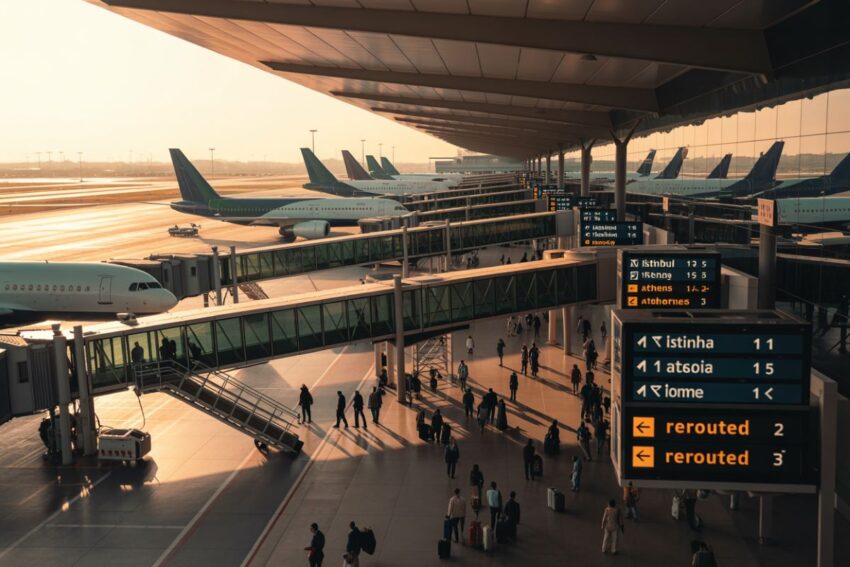
Key Airspaces Impacted by Closures
| Region / Country | Status |
|---|---|
| Iran | Airspace closures and security risks |
| Iraq | Restricted operations |
| Qatar | Temporary suspension of flights |
| Bahrain | Airspace restrictions |
| Kuwait | Aviation disruptions |
| Syria | Limited or restricted flights |
New Aviation Corridors Emerging Across Multiple Countries
As airlines adjust their flight paths, several countries located along the edges of the conflict zone are becoming vital transit corridors for international aviation.
These alternative routes allow aircraft to bypass restricted airspace while maintaining connectivity between Europe, Asia, and the Gulf region.
Countries Emerging as Key Alternative Air Corridors
| Country | Strategic Role |
|---|---|
| Cyprus | Mediterranean transit hub for diverted flights |
| Egypt | Southern corridor connecting Europe and Asia |
| Turkey | Northern gateway linking Europe with the Middle East |
| Oman | Alternative Gulf airspace route |
| Saudi Arabia | Key transit area for long-haul diversions |
| Georgia | Caucasus corridor linking Europe and Central Asia |
Airlines Forced to Reroute Long-Haul Flights
The airspace disruption has had an immediate impact on global airline operations. Major carriers from Europe, Asia, and North America have either suspended flights to certain destinations or rerouted aircraft through longer paths. Carriers including Emirates, Etihad, Qatar Airways, Lufthansa, Air France, KLM, United Airlines, and American Airlines have modified schedules, cancelled services, or adjusted routes due to the evolving situation. These changes reflect the aviation industry’s priority to maintain safety while minimizing disruptions to global travel networks.
Operational Changes Reported by Airlines
| Airline | Operational Action |
|---|---|
| Lufthansa Group | Suspended flights to several Middle East destinations |
| United Airlines | Cancelled routes to affected regional hubs |
| American Airlines | Issued travel waivers for affected passengers |
| Turkish Airlines | Adjusted routes and offered flexible booking options |
| KLM | Avoiding several Middle East airspaces |
Repatriation Efforts for Stranded Travellers
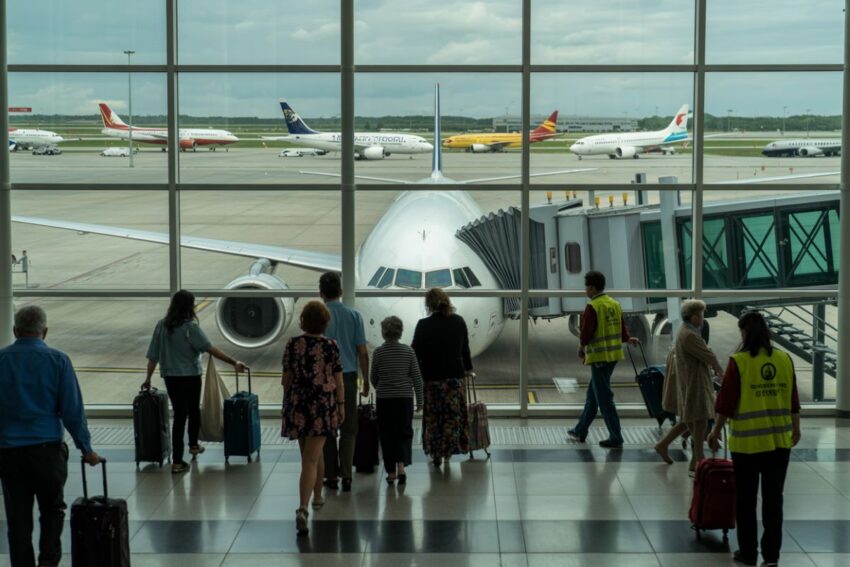
As flights were cancelled across the region, thousands of passengers found themselves stranded at international airports or unable to return home. To address the crisis, airlines and aviation authorities have been organizing special flights and rerouted connections through alternative hubs. The emergence of new air corridors has been essential for these repatriation efforts, allowing airlines to transport passengers back to their home countries or onward destinations. In several cases, airlines are prioritizing vulnerable passengers, including families, elderly travellers, and those with urgent travel needs.
Key Measures Supporting Repatriation
| Measure | Purpose |
|---|---|
| Alternative air corridors | Safe passage around restricted airspace |
| Emergency flight rerouting | Maintain international connectivity |
| Special repatriation flights | Return stranded travellers home |
| Flexible ticket policies | Allow rebooking or refunds |
Travel Delays and Longer Flight Times Expected
The rerouting of flights around restricted airspace is also increasing travel times. Some routes between Europe and Asia now require detours lasting several hours as aircraft avoid high-risk zones. These longer routes not only increase flight duration but also raise fuel consumption and operational costs for airlines. Passengers may also experience schedule adjustments, delays, and limited seat availability as airlines manage capacity across alternative routes.
Aviation Authorities Continue Monitoring the Situation
Global aviation regulators and airline safety teams are continuously assessing the situation as tensions remain high in the region. Airlines are working closely with international aviation authorities to determine safe flight paths and operational strategies while maintaining passenger safety as the top priority. With Cyprus joining Turkey, Egypt, Oman, Saudi Arabia, Georgia and others in emerging as global air corridors as airlines reroute flights amid escalating strikes by Iran in the Middle East enabling repatriation of stranded travellers, the aviation industry is demonstrating its ability to adapt rapidly to geopolitical challenges. While the situation remains fluid, these newly established air corridors are helping maintain global connectivity and ensure that travellers affected by the crisis can continue their journeys safely.
Conclusion
The unfolding aviation crisis highlights how Cyprus Joins Turkey, Egypt, Oman, Saudi Arabia, Georgia and Others in Emerging as Global Air Corridors as Airlines Reroute Flights Amid Escalating Strikes by Iran in the Middle East Enabling Repatriation of Stranded Travellers. As traditional air routes across the Middle East became unsafe or restricted, airlines were forced to rapidly redesign flight paths to maintain global connectivity. Countries positioned around the conflict zone have therefore become critical transit gateways, allowing aircraft to bypass high-risk airspace while still linking Europe, Asia, and the Gulf region. These alternative corridors have not only helped airlines continue essential long-haul operations but have also played a vital role in enabling repatriation efforts for thousands of travellers stranded by sudden flight suspensions. By offering safer routes and operational flexibility, these emerging aviation corridors demonstrate how international aviation networks can adapt during geopolitical disruptions. As the situation continues to evolve, the coordinated response between airlines and aviation authorities remains crucial in protecting passenger safety while ensuring that global travel and emergency mobility remain possible despite ongoing tensions in the Middle East.
The post Cyprus Joins Turkey, Egypt, Oman, Saudi Arabia, Georgia and Others in Emerging as Global Air Corridors as Airlines Reroute Flights Amid Escalating Strikes by Iran in the Middle East Enabling Repatriation of Stranded Travellers appeared first on Travel And Tour World.
