

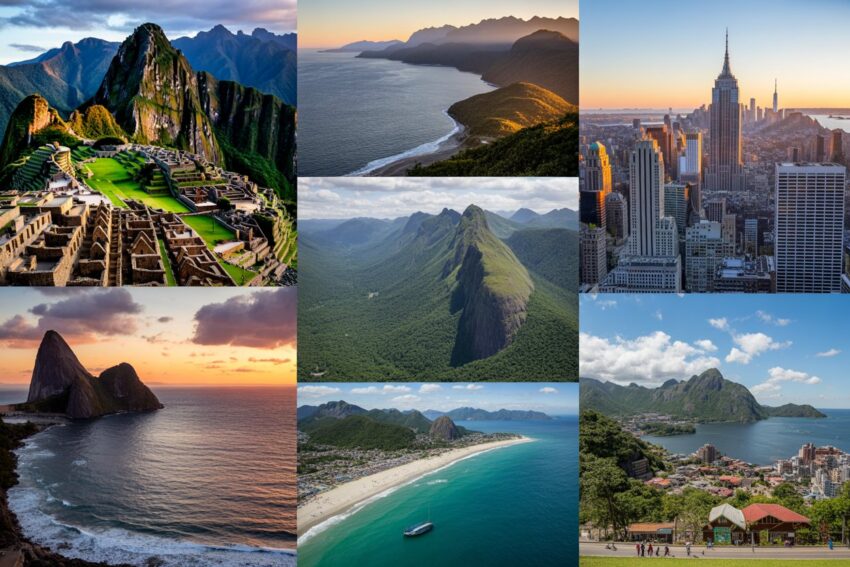
A powerful shift is shaking the global travel map. US, Canada, Mexico, Costa Rica, Peru and Brazil ignite a travel frenzy while Cuba battles a stunning tourism crisis, and the ripple effects are now spreading across the entire Americas travel industry. Airports are buzzing. Resorts are filling fast. Tourism campaigns are accelerating. As a result, US, Canada, Mexico, Costa Rica, Peru and Brazil ignite a travel frenzy while Cuba battles a stunning tourism crisis that is reshaping how travellers choose destinations in 2026.
Meanwhile, the US continues to dominate global travel demand. Canada attracts visitors with nature and mega-events. Mexico expands resorts and airline routes. Costa Rica pushes eco-tourism to new heights. Peru draws explorers to ancient heritage wonders. Brazil fuels excitement with culture, beaches and major tourism investments. Together, the US, Canada, Mexico, Costa Rica, Peru and Brazil ignite a travel frenzy while Cuba battles a stunning tourism crisis, creating a dramatic contrast in the regional tourism story.
However, while these destinations surge ahead, Cuba battles a stunning tourism crisis linked to economic strain and airline disruptions. Consequently, the tourism race intensifies. The stakes grow higher. The competition sharpens. And Travel And Tour World urges readers to read the entire story, because the way US, Canada, Mexico, Costa Rica, Peru and Brazil ignite a travel frenzy while Cuba battles a stunning tourism crisis could redefine travel across the Americas.
The tourism landscape across the Americas is undergoing a noticeable transformation in 2026. Countries such as the United States, Canada, Brazil, Mexico, Jamaica, Peru, Costa Rica and Cuba are witnessing different tourism trends shaped by airline connectivity, economic conditions, infrastructure investment and global travel demand. While some destinations are seeing strong growth driven by events, eco-tourism and resort expansion, others are facing temporary challenges linked to economic pressures and airline disruptions. Across the region, governments and tourism authorities are intensifying promotional campaigns to attract international visitors. The result is a dynamic and rapidly evolving tourism environment where competition among destinations is growing stronger and travellers are discovering new opportunities across North America, Central America and South America.
Canada Strengthens Its Tourism Position with Policy Flexibility and Global Events
Canada continues to strengthen its tourism industry through a combination of policy changes, international events and growing global interest in nature travel. The country’s tourism sector is benefiting from relaxed visitor policies that allow certain travellers to stay longer, making Canada more attractive for extended holidays and remote travel experiences. Major cities such as Toronto, Vancouver and Montreal remain important tourism gateways, while national parks across the country attract adventure travellers seeking outdoor experiences.
The upcoming FIFA World Cup 2026, which Canada will co-host with the United States and Mexico, is expected to significantly boost international arrivals. Tourism authorities are already preparing for increased demand by improving airport infrastructure, expanding hospitality capacity and promoting Canada’s cultural and natural attractions. Despite occasional fluctuations in visitor numbers, Canada’s long-term tourism outlook remains strong due to its reputation for safety, scenic landscapes and well-developed travel infrastructure.
United States Maintains Tourism Dominance Despite Fluctuating International Arrivals
The United States remains one of the world’s most influential tourism markets, driven by its vast domestic travel industry and iconic destinations. Cities such as New York, Los Angeles, Las Vegas and Orlando continue to attract millions of travellers every year, supported by strong airline connectivity and large-scale tourism infrastructure.
However, the tourism landscape in the United States is experiencing mixed trends. While domestic tourism remains robust, some international markets have shown fluctuations due to economic factors and travel policy changes. Despite this, the country is preparing for one of the largest tourism events in recent history: the FIFA World Cup 2026. The tournament is expected to bring millions of international visitors and create a surge in travel demand across multiple host cities.
Industry experts believe the combination of mega-events, cultural tourism, entertainment attractions and natural parks will ensure that the United States remains a dominant global tourism destination.
Brazil Emerges as a Major Tourism Revenue Leader in South America
Brazil is strengthening its position as one of South America’s most influential tourism markets. With its vibrant culture, iconic landmarks and diverse natural environments, the country continues to attract travellers from Europe, North America and Asia. Destinations such as Rio de Janeiro, São Paulo and Salvador remain key tourism hubs, offering a blend of urban experiences, beaches and cultural festivals.
Brazil’s tourism growth is also supported by improved airline connectivity and increased investment in hospitality infrastructure. Government tourism campaigns are promoting the country’s natural attractions, including the Amazon rainforest and spectacular coastal landscapes.
The expansion of international flights and partnerships with global hotel brands is further strengthening Brazil’s tourism economy. As competition among Latin American destinations intensifies, Brazil’s combination of culture, nature and entertainment is helping it remain a leading tourism destination in the region.
Jamaica Expands Tourism Ambitions with Major Long-Term Growth Strategy
Jamaica is actively expanding its tourism sector with ambitious plans to attract millions of visitors over the next decade. The Caribbean island nation is focusing on increasing air connectivity, building new hotels and improving tourism infrastructure. The government aims to significantly increase visitor arrivals and tourism revenue by 2030.
Tourism plays a central role in Jamaica’s economy, and the country is working closely with international partners to strengthen its global tourism appeal. Popular destinations such as Montego Bay, Negril and Ocho Rios continue to attract travellers seeking beach holidays, cultural experiences and Caribbean hospitality.
The expansion of cruise tourism and luxury resorts is expected to further boost Jamaica’s tourism growth. With strategic investments and strong international promotion, Jamaica is positioning itself as one of the Caribbean’s most competitive tourism destinations.
Mexico Continues Tourism Expansion with Infrastructure Investment and Global Events
Mexico remains one of the most visited countries in the Americas. Its tourism industry benefits from world-famous destinations such as Cancún, Mexico City and Los Cabos. The country’s tourism sector is supported by extensive airline connectivity, modern resort developments and strong international demand.
Major infrastructure investments and new hospitality projects are helping Mexico strengthen its tourism capacity. The country is also preparing to host matches during the FIFA World Cup 2026, an event expected to significantly boost international travel.
Tourism authorities are promoting Mexico’s diverse attractions, from ancient archaeological sites to luxury beach resorts. As global travel demand continues to rise, Mexico’s well-developed tourism infrastructure ensures that it remains one of the most competitive destinations in the Americas.
Peru Strengthens Cultural and Heritage Tourism Appeal
Peru continues to attract international travellers interested in cultural heritage and historical exploration. The country’s tourism identity is strongly connected to ancient archaeological sites, including the world-renowned Machu Picchu. Lima, the capital city, also attracts visitors with its growing reputation for gastronomy and cultural tourism.
Tourism campaigns across South America are increasingly promoting multi-country travel experiences, encouraging visitors to explore several destinations during one trip. This strategy is benefiting Peru by integrating it into broader regional tourism routes.
Adventure tourism is another key factor driving Peru’s travel appeal. Hiking routes, mountain landscapes and cultural experiences are drawing travellers seeking authentic and immersive tourism experiences.
Costa Rica Expands Eco-Tourism Leadership with Sustainable Travel Focus
Costa Rica continues to lead the global eco-tourism movement. Known for its lush rainforests, biodiversity and sustainable tourism policies, the country attracts travellers seeking environmentally responsible travel experiences.
Luxury eco-resorts, nature lodges and adventure tourism activities are expanding rapidly across the country. National parks and wildlife reserves remain central to Costa Rica’s tourism appeal, drawing visitors interested in rainforest exploration, wildlife observation and outdoor adventure.
The country’s tourism strategy focuses on sustainability, environmental protection and community-based tourism. As global travellers become more interested in eco-friendly destinations, Costa Rica’s environmental reputation continues to strengthen its tourism sector.
Cuba Faces Tourism Challenges Amid Airline Disruptions and Economic Pressures
Unlike several neighbouring destinations experiencing tourism growth, Cuba is currently facing challenges within its tourism industry. Economic pressures and airline service disruptions have affected international travel to the country.
Some airlines have reduced or suspended flights to Cuban destinations, creating uncertainty in the travel market. Additionally, energy supply challenges have occasionally disrupted tourism operations, impacting hotels and transportation services.
Despite these difficulties, Cuba remains an attractive destination known for its historic cities, cultural heritage and unique architecture. Tourism authorities are working to stabilise the sector and encourage international visitors to return once travel conditions improve.
Tourism Across the Americas Enters a New Competitive Era
Across North America, Central America and South America, tourism is entering a new phase of intense competition and innovation. Countries are investing in infrastructure, expanding airline networks and promoting unique travel experiences to attract global visitors.
Major international events, including the FIFA World Cup 2026, are expected to further reshape tourism flows across the region. At the same time, travellers are increasingly seeking authentic experiences, nature tourism and cultural exploration.
The evolving travel landscape shows that while some destinations face temporary challenges, the overall tourism outlook across the Americas remains dynamic and promising.
The post US, Canada, Mexico, Costa Rica, Peru and Brazil Ignite a Travel Frenzy While Cuba Battles a Stunning Tourism Crisis appeared first on Travel And Tour World.
