
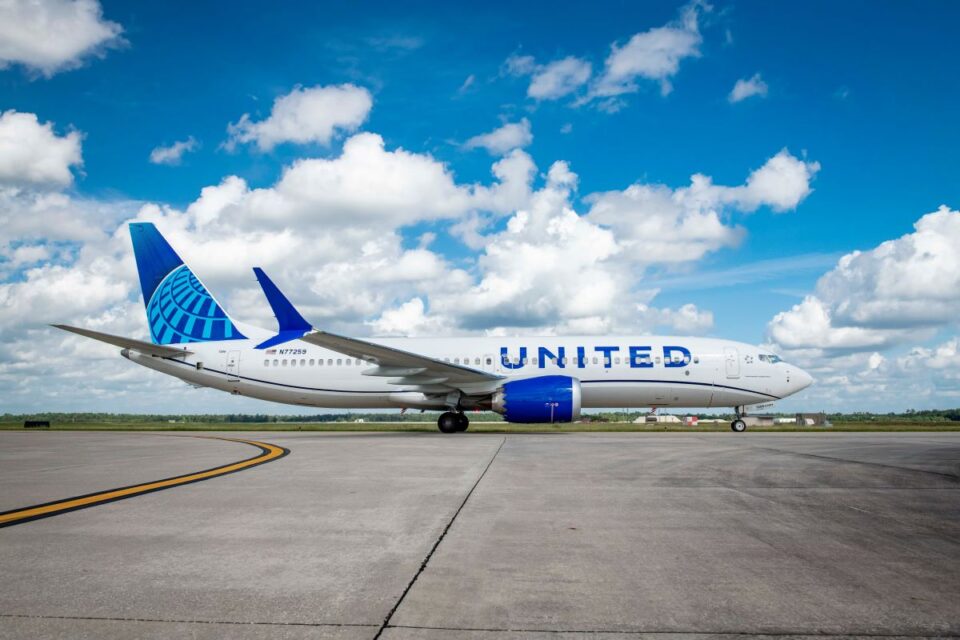
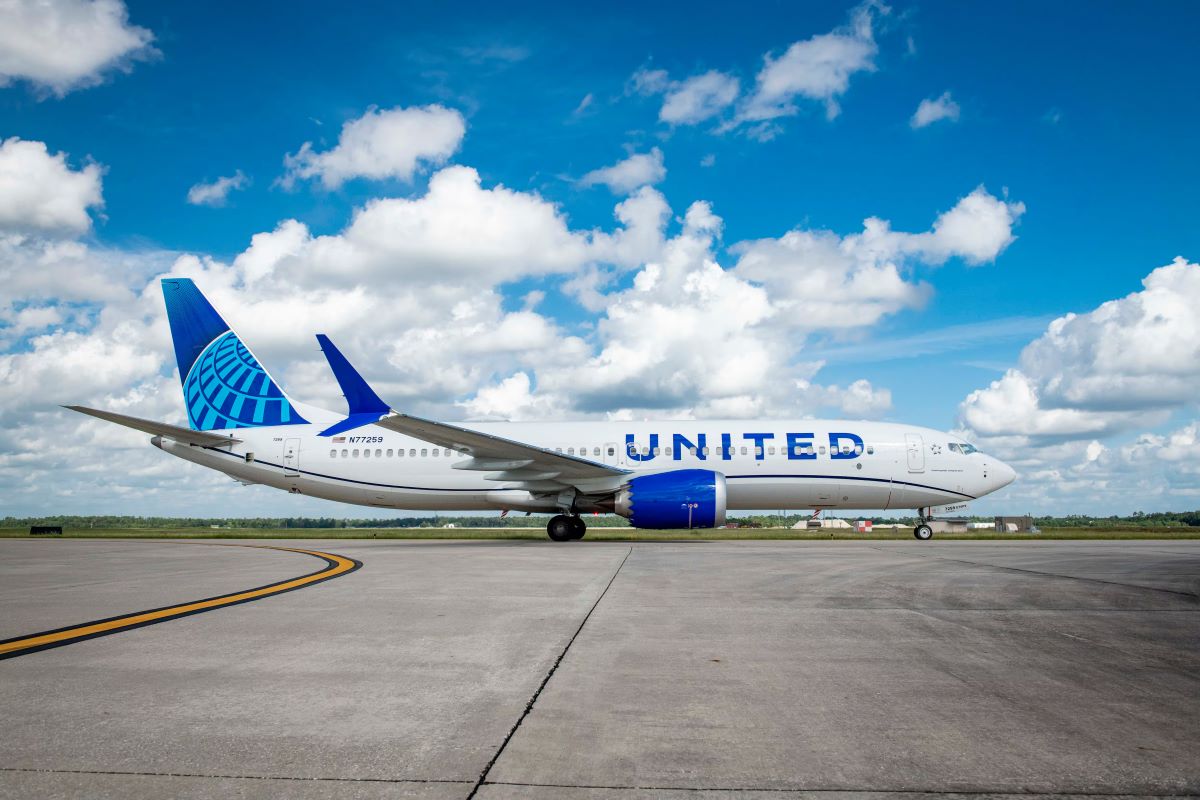
United Airlines is making its role in worldwide flying stronger by adding routes putting customers first and partnering with others to meet future travel needs. United Airlines says that its growth is driven by lots of people wanting to fly high‑end services, reward programmes and fresh ways to connect with customers that go beyond just flying. When airlines deal with rising costs and new travelers wishes United Airlines shows a move in the industry toward building better ties with customers. United Airlines results, how it runs its operations and the money it puts into projects give useful clues, about where global flying and travel will go.
United Airlines Builds New Aviation Growth Path Through Strong Demand, Partnerships and Customer Experience
United Airlines is entering a new phase of aviation growth as the carrier combines financial strength, expanding travel demand, customer engagement strategies and partnerships designed to connect with passengers beyond the airport experience.
The Chicago-based airline has focused on strengthening its global network, improving customer experience and developing new revenue opportunities while managing challenges affecting the aviation industry, including fuel price volatility, operating costs and changing traveller behaviour.
The company’s recent business updates show a strategy centred on maintaining demand momentum, improving operational performance and increasing value across passenger segments. United reported strong revenue growth and continued demand across multiple areas of its business, including premium travel, loyalty programmes, corporate travel and cargo operations.
For the travel industry, United’s approach highlights how major airlines are moving beyond traditional transportation models. Airlines are increasingly becoming lifestyle and experience brands, using partnerships, technology and personalised services to strengthen customer relationships.
United Airlines Travel Growth Strategy Reflects Changing Passenger Expectations
The global aviation sector has undergone significant transformation since the pandemic recovery period. Travellers today expect more than just transportation between destinations. They increasingly look for reliability, connectivity, comfort, loyalty benefits and personalised experiences.
United Airlines has responded by developing a broader United Airlines travel growth strategy that combines network development with customer experience improvements.
The airline has continued focusing on several major business areas:
- Expanding international and domestic connectivity
- Strengthening premium cabin offerings
- Growing loyalty programme engagement
- Improving digital travel services
- Creating partnerships linked to customer interests
This approach reflects a wider aviation trend where airlines compete not only through routes and fares but also through the complete passenger journey.
Modern travellers increasingly evaluate airlines based on the entire experience, including booking flexibility, airport services, onboard connectivity, entertainment options and loyalty rewards.
United’s strategy aims to capture this changing demand by creating more reasons for customers to choose the airline repeatedly.
Strong Financial Performance Supports United Airlines Expansion Plans
United Airlines has reported strong financial results supported by continued travel demand and higher revenue performance.
The airline said its second-quarter 2026 performance included revenue growth of 16% year-on-year, reaching approximately US$17.7 billion. The company also reported strong performance across several business categories, including premium revenue, loyalty-related income, corporate travel and cargo operations.
According to company updates, premium revenue increased significantly, reflecting continued demand for higher-value travel experiences. Loyalty programme revenue also remained an important contributor as frequent travellers continue seeking benefits linked to airline membership.
Cargo operations also showed improvement, demonstrating the importance of diversified airline revenue streams.
The results underline an important development in aviation economics: successful airlines increasingly depend on multiple revenue sources rather than relying only on passenger ticket sales.
Key Business Performance Areas
| Business Segment | Growth Driver |
|---|---|
| Premium Travel | Increased demand for upgraded experiences |
| Loyalty Programme | Strong customer engagement |
| Corporate Travel | Recovery in business demand |
| Cargo Operations | Continued logistics demand |
| International Network | Expanding global connectivity |
This diversified model helps airlines manage market uncertainty while continuing investment in future growth.
Live Sports Partnerships Create New Travel Engagement Opportunities
One of the emerging strategies in modern aviation is the connection between travel brands and major entertainment ecosystems.
United Airlines’ involvement in live sports partnerships reflects how airlines are increasingly using sports, culture and events to strengthen customer relationships.
Sports travel has become a major part of global tourism. Fans frequently travel internationally and domestically for competitions, tournaments and major sporting events.
Airlines benefit from this trend because sports-related travel creates demand for:
- Short-haul fan trips
- International journeys
- Premium travel experiences
- Group bookings
- Corporate hospitality travel
By connecting its brand with sports audiences, United can reach travellers through experiences that extend beyond flights.
The growth of sports tourism has become an important opportunity for airlines, airports and destinations. Major sporting events often generate increased visitor spending, hotel demand and transportation activity.
For airlines, these partnerships provide another channel to engage passengers emotionally and build brand recognition.
Aviation Industry Moves Towards Experience-Based Competition
The airline industry is becoming increasingly competitive as carriers seek new ways to differentiate themselves.
Historically, airlines competed mainly through:
- Route networks
- Ticket prices
- Flight frequency
However, the modern aviation market increasingly focuses on:
- Customer loyalty
- Digital innovation
- Premium services
- Entertainment partnerships
- Personalised travel experiences
United Airlines’ business direction reflects this shift.
Travellers now expect airlines to provide value throughout the entire journey. This includes easy booking systems, digital communication, airport convenience and onboard services.
The competition between major global airlines is therefore moving from simple transportation to complete travel ecosystems.
United Airlines Manages Cost Challenges While Protecting Growth Momentum
Despite strong demand, airlines continue facing significant operating challenges.
Fuel costs remain one of the biggest factors affecting airline profitability. United has highlighted the impact of rising fuel expenses while maintaining confidence in demand strength and revenue performance.
The airline increased its 2026 earnings outlook range after strong revenue trends helped offset higher fuel expenses. The company projected adjusted earnings of between US$9 and US$11 per share for the year, compared with an earlier lower-end forecast.
United also indicated that higher fares and strong passenger demand were helping recover increased operating costs.
The situation reflects a wider challenge across aviation. Airlines must balance:
- Competitive ticket pricing
- Passenger demand
- Fuel expenses
- Fleet investment
- Network profitability
United’s strategy has focused on maintaining financial flexibility while continuing investment in growth areas.
Premium Travel Demand Becomes Key Growth Engine
A major factor supporting United’s performance has been continued demand for premium travel.
Premium cabins have become increasingly important for airline revenue as travellers show willingness to pay for additional comfort, flexibility and enhanced services.
Business travellers, long-haul passengers and leisure travellers seeking upgraded experiences have contributed to stronger premium demand.
The growth of premium travel has encouraged airlines to invest in:
- Improved cabin products
- Enhanced airport lounges
- Better connectivity
- More personalised services
United has continued developing its premium offering as part of its broader customer strategy.
This trend is significant for the travel industry because premium passengers often generate higher spending across the wider tourism ecosystem, including hotels, restaurants, meetings and local experiences.
Loyalty Programmes Strengthen Long-Term Passenger Relationships
Airline loyalty programmes have become one of the most valuable assets in modern aviation.
United’s loyalty ecosystem provides the airline with important customer data, repeat travel opportunities and additional revenue channels.
Modern loyalty programmes are no longer limited to earning flight miles. They increasingly connect travellers with:
- Credit card benefits
- Travel services
- Partner offers
- Premium experiences
For airlines, loyalty creates stronger customer retention and helps build long-term relationships.
For travellers, loyalty programmes provide additional value through rewards and personalised benefits.
As competition increases globally, loyalty is expected to remain a central part of airline growth strategies.
United Airlines Strengthens Global Network to Support Future Travel Demand
A major part of United Airlines’ long-term growth strategy is its focus on expanding connectivity between important global markets.
Large network airlines play a critical role in international tourism because they connect travellers with destinations, support business movement and contribute to economic activity across regions.
United has continued developing its network around major international gateways, including Chicago, Denver, Houston, Los Angeles, Newark/New York, San Francisco and Washington Dulles. These hubs allow the airline to connect domestic markets with international destinations while supporting both leisure and business travel.
The airline’s global network strategy focuses on destinations where demand remains strong, including transatlantic, transpacific and Latin American markets.
For travellers, expanded airline connectivity creates more options for international journeys. For destinations, increased air access can support tourism growth, hotel demand, meetings and events.
The aviation sector has repeatedly shown that improved connectivity can become an important driver of destination competitiveness.
Countries and cities with strong airline links often benefit from increased visitor arrivals, stronger business relationships and greater international visibility.
International Travel Recovery Supports Airline Expansion Plans
The continued recovery of international travel has been one of the most important factors supporting airline growth.
According to global aviation industry data, international passenger demand has continued recovering as travellers return for leisure, business and family-related journeys.
The recovery has been supported by several factors:
- Increased consumer confidence
- Growing international tourism demand
- Strong leisure travel interest
- Improved airline capacity
- Increased cross-border mobility
For major carriers such as United Airlines, international travel represents an important growth opportunity because long-haul routes often generate significant revenue.
The airline industry has also benefited from changing traveller patterns. Leisure passengers are increasingly travelling internationally, while business travel has evolved with more flexible models combining work and leisure.
This shift has created new opportunities for airlines to develop products that serve different passenger groups.
United’s approach reflects this broader transformation, with a focus on maintaining a strong network while adapting to changing travel behaviour.
Technology Becomes Central to United Airlines Customer Experience
Digital innovation has become a major priority across the aviation industry.
Airlines are investing heavily in technology to improve every stage of the passenger journey, from booking to arrival.
United Airlines has continued developing digital services aimed at improving convenience and communication.
Important technology areas across modern aviation include:
- Mobile booking platforms
- Digital check-in systems
- Real-time travel updates
- Automated airport processes
- Personalised customer services
- Digital loyalty management
Technology helps airlines improve operational efficiency while giving travellers greater control over their journeys.
Passengers increasingly expect immediate access to travel information through smartphones and digital platforms.
For airlines, technology also provides valuable insights into passenger preferences, helping improve service design and customer engagement.
The future of aviation will likely depend on how effectively airlines combine human service with digital solutions.
Sports Tourism Creates New Opportunities for Airlines and Destinations
The connection between airlines and sports continues to grow as global sporting events attract millions of travellers.
Sports tourism has become a major contributor to travel demand, with fans crossing borders to attend competitions, tournaments and championship events.
Airlines benefit from sports-related travel because these journeys often involve:
- Higher spending passengers
- Group bookings
- Premium cabin demand
- International connections
- Corporate travel opportunities
Destinations also benefit because visiting fans contribute to local economies through accommodation, food, transportation and entertainment spending.
The development of live sports partnerships demonstrates how airlines are exploring new ways to connect emotionally with customers.
Instead of focusing only on transportation, airlines are increasingly positioning themselves as part of the traveller’s overall lifestyle experience.
This approach helps strengthen brand awareness and creates additional engagement opportunities outside traditional airline marketing.
United Airlines Role in Supporting Tourism and Economic Growth
Air transportation remains a major contributor to global economic activity.
Airlines support tourism by enabling visitors to reach destinations efficiently while connecting businesses, communities and international markets.
United Airlines’ operations contribute to economic activity through:
- Passenger transportation
- Employment opportunities
- Airport activity
- Tourism spending
- Business connectivity
Large network carriers often act as economic bridges between regions.
When airlines increase connectivity, destinations can benefit from improved access to international visitors.
Hotels, attractions, restaurants and local businesses often depend on reliable air connections to attract global customers.
For tourism-dependent economies, airline network decisions can influence visitor flows and market accessibility.
United’s continued focus on network development reflects the important relationship between aviation and tourism growth.
Corporate Travel Recovery Supports Airline Revenue Opportunities
Business travel remains an important component of airline operations.
Although corporate travel patterns have changed, companies continue using air travel for meetings, conferences, international partnerships and industry events.
Airlines have adapted by creating more flexible services designed for modern business travellers.
Important business travel trends include:
- Increased demand for premium cabins
- More flexible booking requirements
- Combined business and leisure trips
- Greater focus on productivity during travel
United Airlines has historically maintained a strong presence in corporate travel markets because of its extensive domestic and international network.
Strong corporate connections can provide airlines with stable demand and support premium revenue growth.
As global business activity continues evolving, airlines are expected to focus on delivering more efficient and comfortable travel experiences.
Sustainability Remains a Long-Term Aviation Priority
The aviation industry continues working towards reducing environmental impact while supporting growing global mobility.
Airlines, governments and aviation organisations are investing in areas including:
- Sustainable aviation fuel
- More efficient aircraft
- Operational improvements
- Carbon reduction initiatives
United Airlines has announced sustainability-related initiatives as part of its long-term strategy, including investments connected with cleaner aviation technologies.
The broader aviation sector faces the challenge of balancing increasing travel demand with environmental goals.
Future airline growth will depend not only on passenger demand but also on the ability to develop more sustainable operating models.
For travellers, sustainability is becoming an increasingly important factor when choosing travel providers.
United Airlines Future Outlook as Aviation Competition Intensifies
The global airline market is expected to remain highly competitive as carriers compete for passengers, routes and revenue opportunities.
Future growth will depend on several factors:
Passenger Demand
Continued demand for leisure and international travel will remain important for airline performance.
Network Strength
Airlines with strong connectivity and strategic hubs will continue playing a major role in global travel.
Customer Experience
Improving comfort, convenience and digital services will remain essential.
Financial Management
Managing fuel costs, labour expenses and operational challenges will remain critical.
United Airlines’ current strategy combines these elements by focusing on network development, premium travel, customer engagement and operational strength.
The airline industry is entering an era where success depends on much more than operating flights. Airlines must create complete travel experiences that encourage loyalty and repeat journeys.
Conclusion
United Airlines is building its future by combining United Airlines travel growth, network expansion, better customer experiences and smart partnerships. The airline’s plan shows changes happening in the global aviation industry, where technology, loyalty programs, high-end services and overall travel experiences are getting more important. High demand from passengers and different ways to make money are helping the company with its long-term goals even though there are still problems like operating costs in the industry. As international travel keeps changing United Airlines’ focus on connecting people and keeping customers interested shows how big airlines are changing to meet the needs of todays travelers, around the world.
The post US United Airlines Expands Travel Growth Strategy as Sports Partnerships Boost Future Aviation appeared first on Travel And Tour World.
