
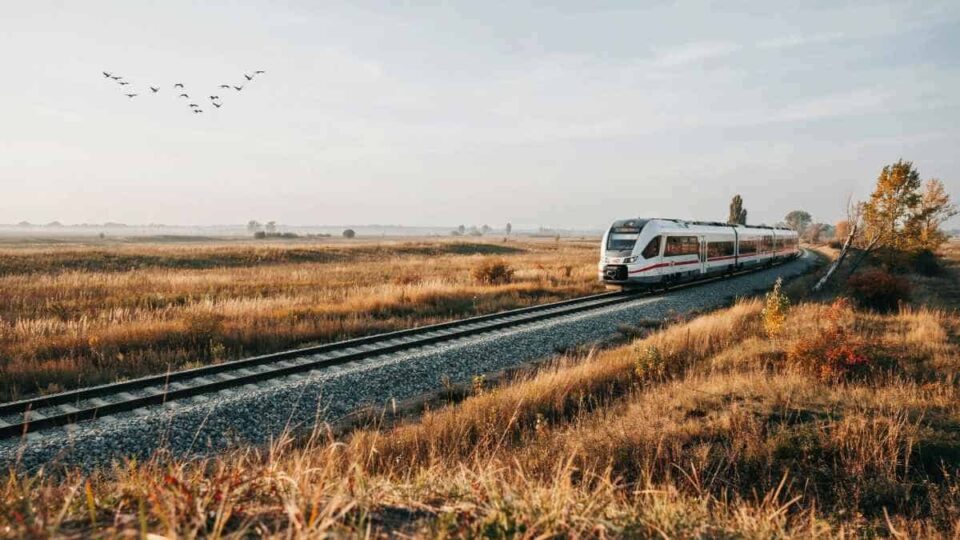
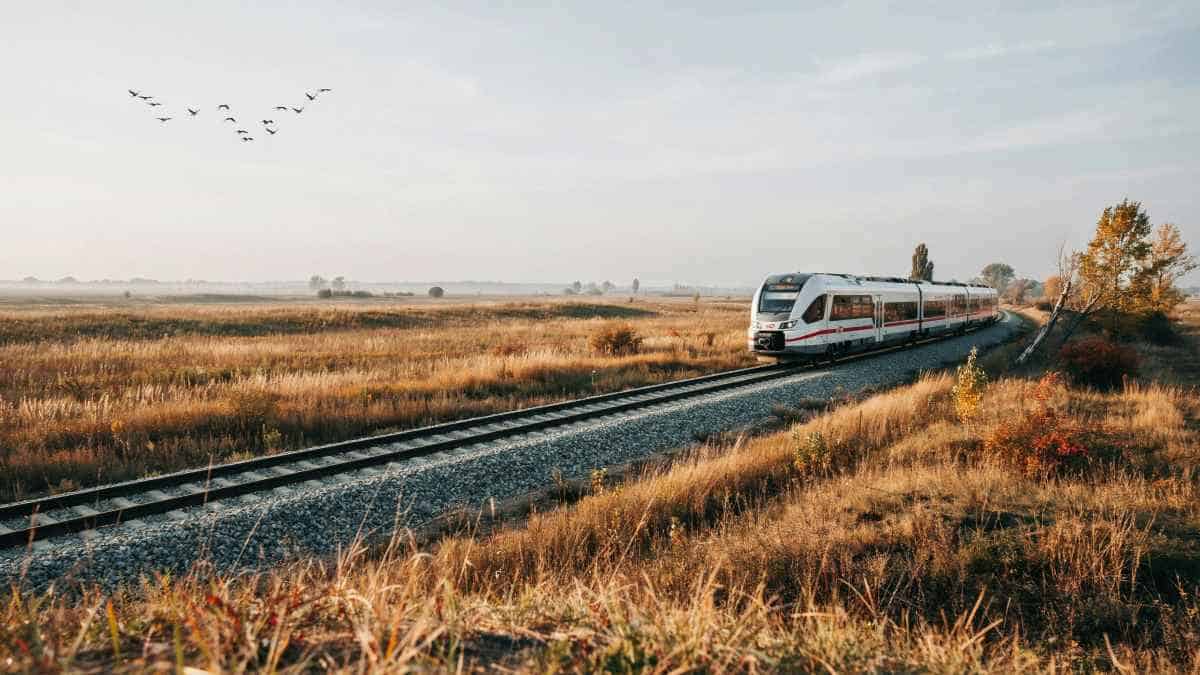
The Lake Neusiedl and Fertő-Hanság area in Hungary and Austria will soon find themselves linked up with the Hungarian Puszta via special autumn train tours, offering yet another pathway for travellers to discover the Hungarian wilderness, horse culture and cuisine. This train that will run in September 2026, will connect eastern Austria with the Hortobágy National Park, which is the UNESCO cultural landscape of eastern Hungary. The journey, based on weekends in the autumn season, offers tourists the opportunity to observe the local birds, engage in horsemanship, try the regional cuisine and explore the vast open areas of the Puszta.
Hortobágy becomes the journey’s centrepiece
Hortobágy National Park is Hungary’s largest protected area and one of Europe’s best-known remaining examples of traditional pastoral landscape.
The landscape is dominated by vast grasslands, wetlands and open horizons rather than dense forests or urban development. Traditional livestock keeping remains an important part of the area’s cultural character.
The park is also internationally recognised for its birdlife.
Autumn brings migratory birds through the region, making the season particularly suitable for visitors interested in birdwatching. Wetlands and grassland habitats provide opportunities to observe cranes, geese, raptors and other species.
For travellers arriving by heritage rail, birdwatching can become a central part of the weekend rather than an additional activity.
Lake Neusiedl connects two landscapes
The journey begins around the Lake Neusiedl and Fertő-Hanság region, which extends across Austria and Hungary.
Lake Neusiedl is one of Central Europe’s distinctive shallow lakes and is surrounded by reed beds, wetlands, vineyards and rural settlements.
The area is important for migratory birds and provides opportunities for cycling, walking, nature observation and wine tourism.
Its cross-border character also makes it a natural starting point for a journey into western and eastern Hungary.
Travellers can combine time around the lake with the rail journey towards Hortobágy, experiencing a substantial change in landscape along the way.
Vintage trains add a heritage element
The specialised autumn trains introduce another layer to the travel experience.
Vintage rolling stock and heritage-style rail travel create a connection with the history of Central European railways, while the route itself links two culturally significant landscapes.
For visitors, the train provides an alternative to driving between Austria and eastern Hungary.
The journey also fits the broader trend towards slower travel, where the route between destinations becomes part of the holiday rather than simply a means of reaching a hotel.
Weekend passengers can use the service to travel into the countryside and return after spending time exploring the Puszta.
Birdwatching drives autumn travel
Autumn is one of the most important periods for wildlife observation in Hortobágy.
The arrival of large numbers of cranes is particularly notable. The birds gather across the plains and wetlands during their seasonal migration, creating one of the region’s best-known natural spectacles.
Visitors can join guided wildlife excursions and use designated observation areas to watch birds without disturbing their habitats.
The open landscape also makes the Puszta visually different from Hungary’s wooded western regions.
For photography enthusiasts, the combination of wildlife, traditional livestock and expansive grasslands provides opportunities throughout the day.
Equestrian traditions remain central
The Hortobágy region is also closely associated with Hungary’s traditional csikós, or horse-herding culture.
Visitors can encounter demonstrations of horsemanship, traditional livestock management and equestrian skills at tourism sites across the Puszta.
The experience connects directly with the landscape’s pastoral history.
Horse shows and demonstrations can be combined with visits to traditional farmsteads, where travellers can learn about the animals and agricultural practices associated with the region.
For international visitors, this provides a cultural experience that differs considerably from Hungary’s better-known urban attractions.
Regional food becomes part of the route
The autumn rail experience also places regional cuisine within the itinerary.
Traditional Hungarian food is closely connected with the country’s agricultural heritage, and rural destinations provide opportunities to sample dishes prepared using locally sourced ingredients.
In the Hortobágy region, visitors can encounter traditional dishes, soups, grilled meats and paprika-based cooking alongside local dairy and agricultural products.
The wider Lake Neusiedl area adds another culinary dimension through vineyards and wine-producing communities on both sides of the border.
A weekend journey can therefore combine nature observation with regional food and wine rather than relying solely on sightseeing.
Moving beyond Budapest
Budapest remains Hungary’s largest international tourism centre, with its thermal baths, historic architecture, Danube views and cultural attractions drawing visitors throughout the year.
The new rail concept offers travellers a reason to continue beyond the capital.
A longer Hungarian holiday can combine several days in Budapest with a weekend in the Puszta, providing a contrast between city tourism and open countryside.
The rail connection also creates possibilities for international visitors arriving through Austria, allowing them to reach eastern Hungary without making the entire journey by road.
A slower Central European weekend
The route brings together several tourism themes within one journey: heritage rail, protected landscapes, wildlife, equestrian culture and regional cuisine.
Lake Neusiedl provides wetlands and vineyards, while Hortobágy offers grasslands, traditional pastoral culture and internationally important bird habitats.
Travelling between them by vintage-style train adds a historical dimension while reducing the focus on fast point-to-point transport.
For autumn travellers, the itinerary provides a way to explore rural Hungary during a season when migratory wildlife and changing landscapes become major attractions.
The Puszta joins the wider rail map
The link between Hungary and Austria will make the Hortobágy area better known to international tourists interested in nontraditional holidays. They will be able to explore the marshes near Lake Neusiedl and move on to explore the plains of eastern Hungary, with watching birds, equestrian traditions, and local cuisine being at the heart of their vacation. It is important to note that the train that will be launched in September 2026 is going to contribute to the development of rail transportation that will connect lesser-known areas of Central Europe. The Puszta offers an interesting alternative destination to explore in the fall for those who prefer weekends spent in nature.
The post Hungary Opens Autumn Rail Route Through The Puszta appeared first on Travel And Tour World.
