
Visitors continue to flow into Japan from East Asian countries, North America, and other regions. They create constant demand on airports, hoteliers and the country’s tourist industry. When arranging their trips through Tokyo Haneda Airport (HND) and Narita International Airport (NRT), travellers have to take into account the opportunity of using a lounge. According to the report of the Japan National Tourism Organisation, the number of international tourists in August 2026 was around 3.1 million; however, there was a 9.6% decrease year-over-year. Strong demand was registered in such countries as South Korea, Malaysia, Italy, and Spain. The recent statistics prove that Japan continues to receive significant numbers of foreigners; however, the assertion that flight bookings are 30% higher cannot be confirmed. The issue of busy schedules of international flights and different conditions of entering lounges has to be taken into consideration by the travellers. It is necessary to remember that passengers should check the regulations for entering a specific lounge; otherwise, they can believe that Priority Pass or a certain credit card gives the right to enter.
Japan’s Inbound Tourism Market Remains a Major Travel Driver
Japan attracts visitors through a mix of cultural experiences, seasonal landscapes, shopping, cuisine and urban tourism. Tokyo remains a major starting point for international itineraries, with visitors frequently combining the capital with destinations such as Kyoto, Osaka, Hokkaido and Okinawa.
Travellers from South Korea, Taiwan, China and North America contribute to demand across different parts of the tourism sector. Visitor spending supports hotels, restaurants, retailers, transport operators and attractions, while international aviation provides the connections needed to bring tourists into the country.
Currency movements can also influence travel budgets. A favourable exchange rate may make accommodation, dining and shopping more affordable for visitors whose home currencies have strengthened against the yen. However, the actual benefit depends on exchange rates at the time of travel, bank charges and individual spending patterns.
For tourists, the practical approach is to calculate a trip budget using current exchange rates and retain some flexibility for accommodation, transport and seasonal price changes.
Haneda and Narita Serve Different Travel Needs
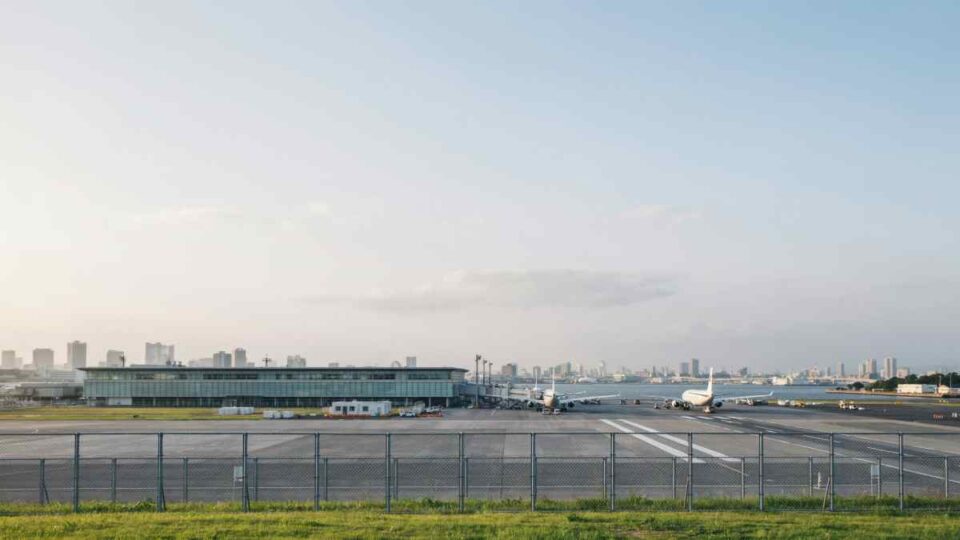
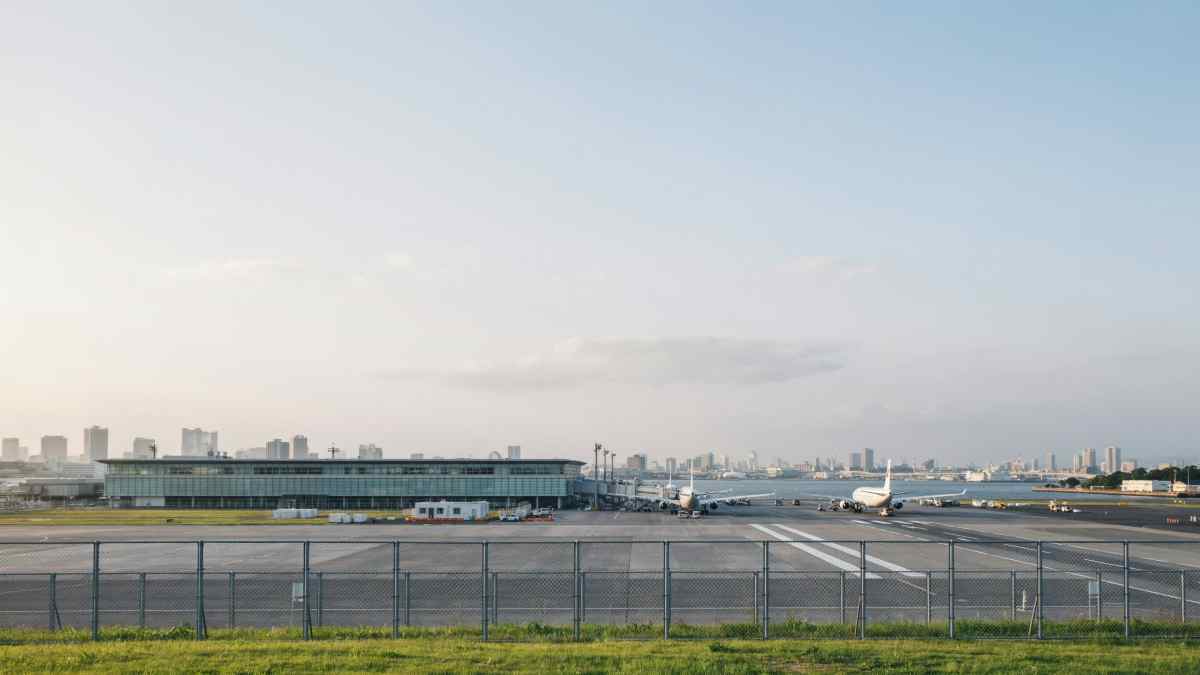
Tokyo Haneda Airport is relatively close to central Tokyo and handles extensive domestic and international traffic. Its location makes it convenient for visitors staying in the capital, attending business meetings or connecting to domestic destinations.
Narita International Airport, located in Chiba Prefecture, serves as another major international gateway. Rail services and airport buses connect it with Tokyo and surrounding areas, although journey times depend on the destination and transport option selected.
Both airports offer lounges, but the facilities and access conditions vary by terminal, lounge operator and passenger eligibility. Some facilities are associated with particular airlines or premium cabins, while others accept eligible credit cards or membership programmes.
Passengers should check their departure terminal and the location of their chosen lounge before travelling. A lounge in another terminal may not be accessible without passing through security or having the appropriate boarding pass.
Priority Pass and Credit Card Lounge Rules
Priority Pass provides access to participating lounges and other airport experiences, but membership does not guarantee entry whenever a passenger arrives. Individual lounges can impose conditions relating to opening hours, capacity, maximum stay, eligible passengers and accompanying guests.
Credit card lounge benefits also vary. Some cards provide complimentary visits, while others restrict the number of annual visits or require registration. Certain facilities may accept only selected cards issued in particular markets.
At Haneda, for example, the official airport information for TIAT LOUNGE at Terminal 3 specifies that Priority Pass access is available between 1 am and 5 am. The facility also has a stated maximum usage period of three hours. These conditions demonstrate why travellers should verify the precise rules for their intended lounge.
Narita similarly lists multiple lounges across its terminals, each with its own operating hours and eligibility requirements. Passengers should check the current details before departure, especially if their flight leaves early in the morning or late in the evening.
The available information does not establish a universal new restriction on third-party lounge access across both airports. Any limitations should be checked against the relevant lounge’s current terms.
How Travellers Can Prepare for Busy Departure Periods
Passengers flying internationally from Tokyo should allow sufficient time for check-in, baggage drop, security screening and immigration. Narita Airport has warned that queues can lengthen during busy holiday periods, and it publishes guidance on expected congestion by terminal and departure time.
Travellers intending to use a lounge should check whether advance reservations are available, whether guests are permitted and whether the facility is accepting eligible members at the time of arrival.
Those with connecting flights should also confirm that their lounge is accessible from the relevant departure area. Airport security restrictions may prevent passengers from visiting facilities in another terminal, even when their membership would otherwise qualify.
Families should check children’s admission policies and any guest fees. Business travellers with tight schedules may find it more useful to prioritise boarding time and terminal access than to plan a lengthy lounge visit.
What This Means for Japan’s Travel Experience
The international tourist market of Japan continues to be significant in scale, yet the services provided by airports and the demands of visitors differ seasonally as well as based on origin market and schedule. Haneda and Narita offer alternative routes into Tokyo, and lounges at each have specific requirements, unlike a unified national system. Visitors may ensure that there will be fewer surprises in advance of travel by checking one’s status at the lounges, terminals, and guidance at the airports. Travelling during holiday times requires additional time at the airports too. The international tourist industry in Japan continues to receive support through the movement of visitors. For travellers, an enjoyable trip requires more than having flights available.
The post Japan Tourism Boom Puts Tokyo Airport Lounges Under Pressure as Visitor Demand Rises Big appeared first on Travel And Tour World.
