
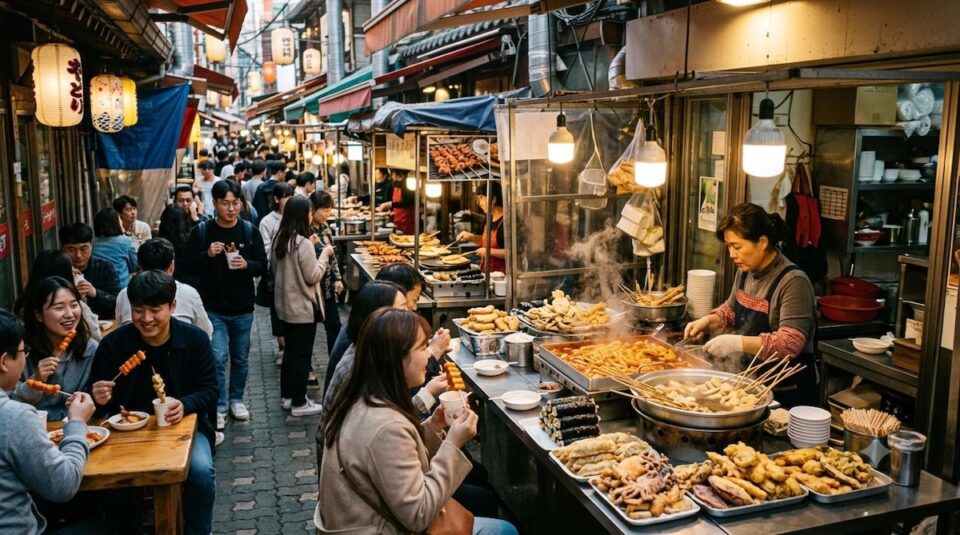
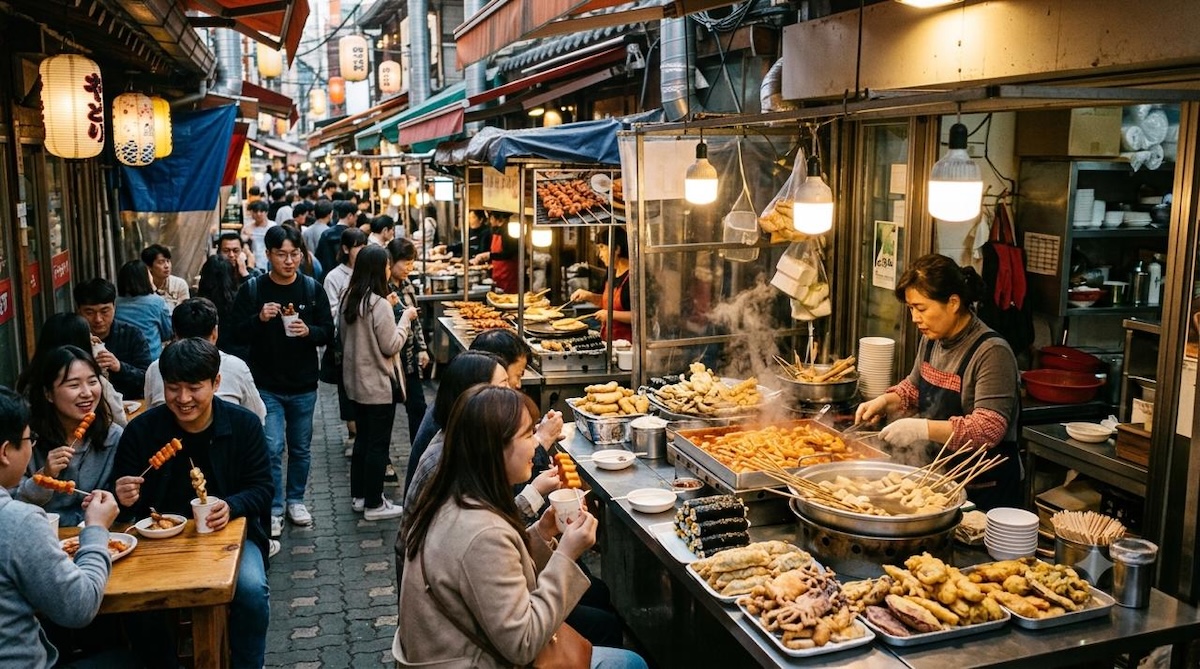
Busan is turning heads with its irresistible Korean culinary adventures, inviting global travellers to explore a food scene packed with authentic flavours, vibrant markets and unforgettable dining experiences. Jagalchi Market follows Gukje Market, Bupyeong Kkangtong and more as Busan’s food destinations serve up exciting opportunities to discover Korea’s culinary heritage. From fresh seafood at Jagalchi Market to traditional delicacies around Gukje Market and street-food favourites at Bupyeong Kkangtong, every stop reveals a different taste of Busan. Moreover, Travel And Tour World invites readers to discover these remarkable food destinations, signature Korean dishes and essential travel tips for an unforgettable culinary journey.
Busan Culinary Tourism Guide 2026: Six Food Destinations, Signature Korean Dishes, Visitor Statistics and a Detailed Travel Itinerary
Busan is an appealing destination for international travellers who want to experience South Korea through regional food, coastal scenery, traditional markets and modern restaurants. Its culinary identity extends from seafood markets and pork-soup restaurants to street-food stalls and chef-designed dining experiences.
The city’s Taste of Busan 2026 guide highlights local specialities and helps visitors connect regional ingredients with traditional cooking. Multilingual dining resources also make food exploration more accessible to international tourists.
For travellers, the best approach is to explore Busan by neighbourhood rather than treating its restaurants as isolated stops. A market visit can become a seafood lunch, an afternoon walk can lead to traditional snacks, and an evening beside the coast can end with a regional meal.
The following guide provides six destinations to explore, recommended dishes, accommodation areas, visitor statistics and a practical food-travel itinerary.
Busan Tourism Statistics: What International Travellers Should Know
Busan’s international tourism figures provide useful context for its expanding culinary offer. The Busan Metropolitan Government reported that the city welcomed 3,643,439 foreign visitors during 2025, according to a government announcement published in 2026.
An earlier update reported that inbound foreign visitors had reached 3,019,164 by the end of October 2025. That represented an increase of approximately 23% compared with the same period in 2024, when the cumulative figure was 2,451,057.
The October figures are year-to-date comparisons, not full-year totals. They should not be confused with the final annual count.
Five-Year International Visitor Comparison
| Year | Available visitor information | Interpretation for travel planning |
|---|---|---|
| 2021 | Exact annual total not verified in the accessible official summary | Pandemic-era travel conditions affected international movement |
| 2022 | Exact annual total not verified in the accessible official summary | International travel was resuming, but conditions varied by market |
| 2023 | Approximately 2.9 million foreign visitors, according to a Busan government announcement | The city was approaching its three-million international visitor milestone |
| 2024 | 2,451,057 foreign visitors through October | Visitor demand was strengthening before the end of the year |
| 2025 | 3,643,439 foreign visitors for the year; 3,019,164 had arrived by October | The city crossed the three-million threshold and finished the year above 3.6 million |
Statistical note: Exact annual totals for 2021, 2022 and 2024 should be checked against the relevant official annual reports before publication. The available partial-year figures cannot be substituted for full-year totals.
Six Busan Food Destinations for an Authentic Local Culinary Experience
1. Jagalchi Market: Discover Busan’s Seafood Culture
Jagalchi Market is one of the city’s best-known places for understanding the connection between Busan and the sea. It is particularly suitable for visitors who want to see seafood displayed and sold before choosing a meal.
The Korea Tourism Organization recommends fresh raw fish and a variety of seafood here. Grilled kkomjangeo, or hagfish, is another distinctive local speciality.
What to do: Walk through the seafood displays, compare available fish and ask restaurants about preparation methods. Some establishments allow customers to select seafood before eating in a dining area.
What to eat: Try sliced raw fish, grilled hagfish or a seafood meal with rice and side dishes. Travellers unfamiliar with raw seafood can choose fully cooked alternatives.
Where to stay: Jung-gu and nearby Nampo-dong are practical bases for exploring Jagalchi and other central markets. Staying nearby reduces the need to cross the city for an early market visit.
Best for: Seafood enthusiasts, first-time visitors and travellers interested in traditional market culture.
2. Bupyeong Kkangtong Market: Explore Busan’s Street-Food Scene
Bupyeong Kkangtong Market is a useful destination for an evening food walk. Its stalls offer a different experience from a conventional restaurant, allowing visitors to sample smaller portions while exploring the market atmosphere.
The market is associated with fish cakes, gimbap, fried fish-cake skewers and spicy glass noodles.
What to do: Visit after exploring the nearby shopping streets. Walk through the food stalls, compare snacks and leave room for several small tastings rather than ordering one large meal.
What to eat: Try eomuk (Korean fish cake), bibimdangmyeon (seasoned glass noodles), gimbap and hot bars.
Where to stay: Nampo-dong and Jung-gu work well for travellers who want to visit several markets on foot.
Best for: Budget-conscious visitors, street-food enthusiasts and travellers seeking an evening activity.
3. Gukje Market: Combine Shopping With Local Snacks
Gukje Market offers a combination of shopping, everyday commerce and casual eating. Visitors can explore its lanes before stopping for traditional snacks.
Hotteok, skewers and Sinchang Toast are among the foods worth seeking around this market. Hotteok, a filled pancake, is particularly suitable for travellers looking for a sweet snack between sightseeing stops.
What to do: Browse market lanes, look for Korean household goods and souvenirs, and take a break at a local snack stall.
What to eat: Sample hotteok, skewers or a Korean-style toasted sandwich.
Where to stay: Central Busan accommodation around Nampo-dong provides convenient access to Gukje, Jagalchi and Bupyeong Kkangtong Market.
Best for: Visitors who want shopping, photography and food exploration in one outing.
4. Seomyeon: Taste Busan’s Everyday Comfort Food
Seomyeon is an important commercial and dining district, making it a useful stop for travellers interested in everyday local eating habits. The area is particularly associated with dwaeji gukbap, a pork soup served with rice.
The dish is among the regional specialities featured in the city’s Taste of Busan 2026 publication.
What to do: Plan a lunch or dinner around a traditional soup restaurant, then explore Seomyeon’s shops and pedestrian streets.
What to eat: Order dwaeji gukbap or try milmyeon, a cold wheat-noodle dish associated with Busan.
Where to stay: Seomyeon is a practical base for visitors who value shopping, restaurants and access to public transport.
Best for: Independent travellers, first-time visitors and anyone seeking a familiar introduction to Busan’s everyday cuisine.
5. Gijang Market: Explore Coastal Specialities
Gijang offers a different perspective on Busan’s coastal food traditions. Its market is known for seafood, including king crab, while the surrounding area provides opportunities to combine a meal with coastal sightseeing.
Visitors can also seek out gimbap, tteokbokki and eomuk at market food stalls.
What to do: Browse seafood sellers, compare menus and ask about the price and serving size before choosing a restaurant. Seasonal availability can affect which seafood is offered.
What to eat: Consider king crab when available, or choose fish cakes and familiar Korean street snacks.
Where to stay: Travellers planning several coastal excursions can consider accommodation in Gijang or Haeundae. Those with a short visit may prefer to stay centrally and make a day trip.
Best for: Seafood lovers, coastal explorers and visitors wanting to go beyond the central market district.
6. Dongnae: Discover Traditional Korean Cooking
Dongnae is worth considering for travellers interested in traditional Korean food and the history of local recipes. The district is associated with Dongnae pajeon, a savoury pancake made with green onions and other ingredients.
Busan Metropolitan Government includes Dongnae pajeon among the regional dishes highlighted in its Taste of Busan 2026 publication.
What to do: Explore the traditional market area, look for restaurants specialising in Korean pancakes and combine the visit with cultural sightseeing.
What to eat: Try Dongnae pajeon with a suitable dipping sauce. Ask about seafood and other ingredients if you have allergies or dietary restrictions.
Where to stay: Dongnae is an option for travellers interested in a quieter neighbourhood experience. Visitors prioritising nightlife and central connections may prefer Seomyeon.
Best for: Food-history enthusiasts, cultural travellers and visitors looking for a traditional meal beyond the main seafood markets.
Busan’s Signature Dishes: A Detailed Food Reference Table
| Local speciality | Main ingredients or style | Recommended experience |
|---|---|---|
| Dwaeji gukbap | Pork soup served with rice | A filling lunch in a local restaurant |
| Milmyeon | Cold wheat noodles | A refreshing meal, especially in warmer weather |
| Dongnae pajeon | Green onion pancake | A traditional meal in the Dongnae area |
| Sliced raw fish | Fresh fish served in Korean style | A seafood-focused meal at a reputable restaurant |
| Grilled hagfish | Hagfish prepared over heat | A distinctive coastal dining experience |
| Nakjibokkeum | Spicy stir-fried small octopus | A flavourful meal for spice lovers |
| Haemultang | Seafood soup | A shared meal for seafood enthusiasts |
| Bokguk | Pufferfish soup | A speciality requiring careful restaurant selection |
| Jaecheopguk | Clam soup | A lighter soup-based introduction to regional food |
These dishes are associated with Busan’s culinary traditions. Availability, preparation and prices vary by establishment.
Where to Eat and How to Budget for a Busan Food Holiday
Food costs depend on restaurant type, ingredients, portion sizes and season. Seafood restaurants may charge substantially more for premium or market-priced items than neighbourhood soup restaurants.
The following figures are illustrative planning estimates, not official average prices or verified restaurant quotations. Check current menus before ordering.
| Dining category | Illustrative budget per person | Suitable for |
|---|---|---|
| Street-food snacks | ₩5,000–15,000 | Short tastings and casual market visits |
| Traditional noodle or soup meal | ₩10,000–18,000 | Everyday lunch or dinner |
| Casual restaurant meal | ₩15,000–30,000 | A more substantial meal |
| Seafood restaurant meal | ₩25,000–60,000 or more | Fresh seafood and shared dishes |
| Premium crab or speciality seafood | Highly variable | Special occasions and seafood-focused trips |
For a simple planning exercise, a visitor eating three times daily could allocate approximately ₩35,000–75,000 for food, depending on snack purchases and restaurant choices. Premium seafood meals can take the total considerably higher.
Visitors should confirm whether listed prices include side dishes, whether seafood is priced by weight, and whether minimum orders apply. For a group, asking about serving sizes before ordering can help avoid food waste.
Where to Stay in Busan for a Food-Focused Holiday
| Area | Main advantage | Best suited to |
|---|---|---|
| Nampo-dong and Jung-gu | Access to Jagalchi, Gukje and Bupyeong markets | Market-focused trips |
| Seomyeon | Restaurants, shopping and central connections | First-time visitors and independent travellers |
| Haeundae | Beachfront setting and seafood restaurants | Coastal holidays and resort-style stays |
| Gijang | Access to coastal scenery and seafood markets | Visitors planning regional excursions |
| Dongnae | Traditional neighbourhood atmosphere | Cultural and food-history trips |
Accommodation prices change with season, events, room type and booking demand. Compare the total price, transport access and cancellation terms before choosing a hotel.
For a first visit, Seomyeon offers a balanced base for moving around the city. Nampo-dong is especially practical for travellers whose priority is exploring the central traditional markets.
A Three-Day Busan Local Food Travel Plan
This itinerary groups nearby experiences to reduce unnecessary cross-city travel.
| Day | Morning | Afternoon | Evening |
|---|---|---|---|
| Day 1: Central markets | Explore Jagalchi Market | Walk through Gukje Market and nearby streets | Sample snacks at Bupyeong Kkangtong Market |
| Day 2: Local favourites | Try dwaeji gukbap in Seomyeon | Explore shopping streets and cafés | Enjoy milmyeon or a Korean restaurant meal |
| Day 3: Regional food | Visit Dongnae for traditional food | Travel towards Gijang for coastal exploration | Enjoy seafood, subject to availability and budget |
Practical Travel Tips for International Visitors
- Check official listings: Busan’s Taste of Busan 2026 guide features restaurants and food establishments and is available in multiple languages.
- Use multilingual menus: Selected restaurants provide QR-based menus supporting seven languages. Participation is limited to participating establishments.
- Ask about ingredients: Seafood, meat, broths and sauces may contain allergens or ingredients that do not suit every diet.
- Plan market visits carefully: Opening hours differ between individual stalls and markets. Verify current hours before travelling.
- Carry a payment alternative: Check accepted payment methods at smaller stalls, especially when travelling outside major commercial districts.
- Avoid assuming every dish is available: Market supply and restaurant menus can change with the season.
- Consult official visitor information: The Visit Busan website provides destination and dining guidance for trip planning.
Conclusion
In conclusion, Jagalchi Market, Gukje Market, Bupyeong Kkangtong and more make Busan a compelling destination for travellers seeking unforgettable Korean culinary adventures. From freshly prepared seafood and traditional Korean dishes to exciting street-food discoveries, these vibrant food destinations offer an authentic taste of the city’s coastal heritage. Moreover, visitors can combine market explorations with cultural attractions, neighbourhood walks and memorable dining experiences. Busan’s diverse food scene provides something for every curious traveller, whether visiting South Korea for the first time or returning to discover more. Travel And Tour World encourages global travellers to explore Busan’s culinary treasures and experience the flavours that make this remarkable destination truly unforgettable.
The post Jagalchi Market Follows Gukje Market, Bupyeong Kkangtong and More as Busan’s Food Destinations Serve Up Irresistible Korean Culinary Adventures! appeared first on Travel And Tour World.
