
Tourism in Australia is being driven by the strong demand and increase in overnight stays in cities like Sydney and Melbourne. Australia Tourism is making tremendous progress in the year 2026 because cities like Sydney, Melbourne, Gold Coast, Brisbane, Cairns and other popular tourist destinations have been luring tourists from all over the world, creating an increased overnight stay demand and making money through tourism activities. With destinations ranging from Sydney Harbour to colorful laneways of Melbourne and from Great Barrier Reef to ancient sites of Uluru, attractions in Australia are compelling tourists to visit more than one destination. Increasing international tourists, cultural tourism, business events and regional tourism are aiding hotels, airlines and other businesses.
Australia’s Tourism Industry Gains Momentum With Rising International Spending
Australia’s tourism sector continues to strengthen in 2026, supported by increasing international arrivals, holiday demand and higher visitor expenditure. Major cities and regional destinations are contributing through cultural attractions, natural landmarks and distinctive travel experiences.
According to Tourism Research Australia, the country recorded approximately 8.4 million international visitor trips during the year ending June 2026, representing a 9% annual increase.
International visitor spending reached approximately A$40.5 billion, increasing by 16%. Meanwhile, international holiday travel generated approximately 3.7 million trips, up 13%.
These results demonstrate the growing importance of tourism to Australia’s economy. Increased spending supports accommodation, hospitality, transport and attractions.
However, visitor growth differs across destinations, with some regions recording stronger international demand while others benefit primarily from domestic and overnight tourism.
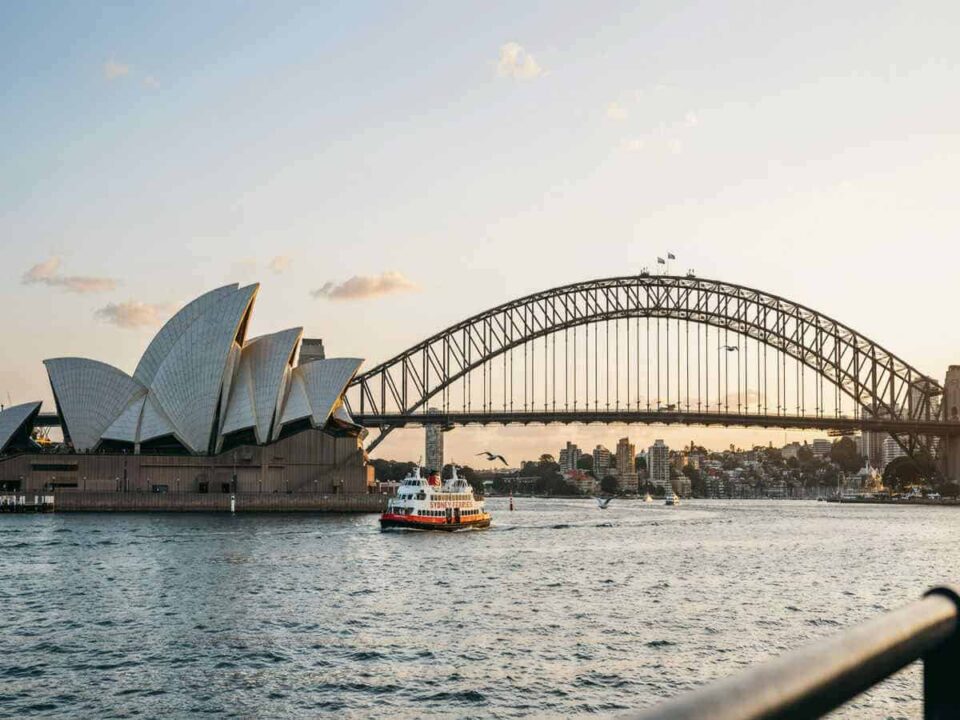
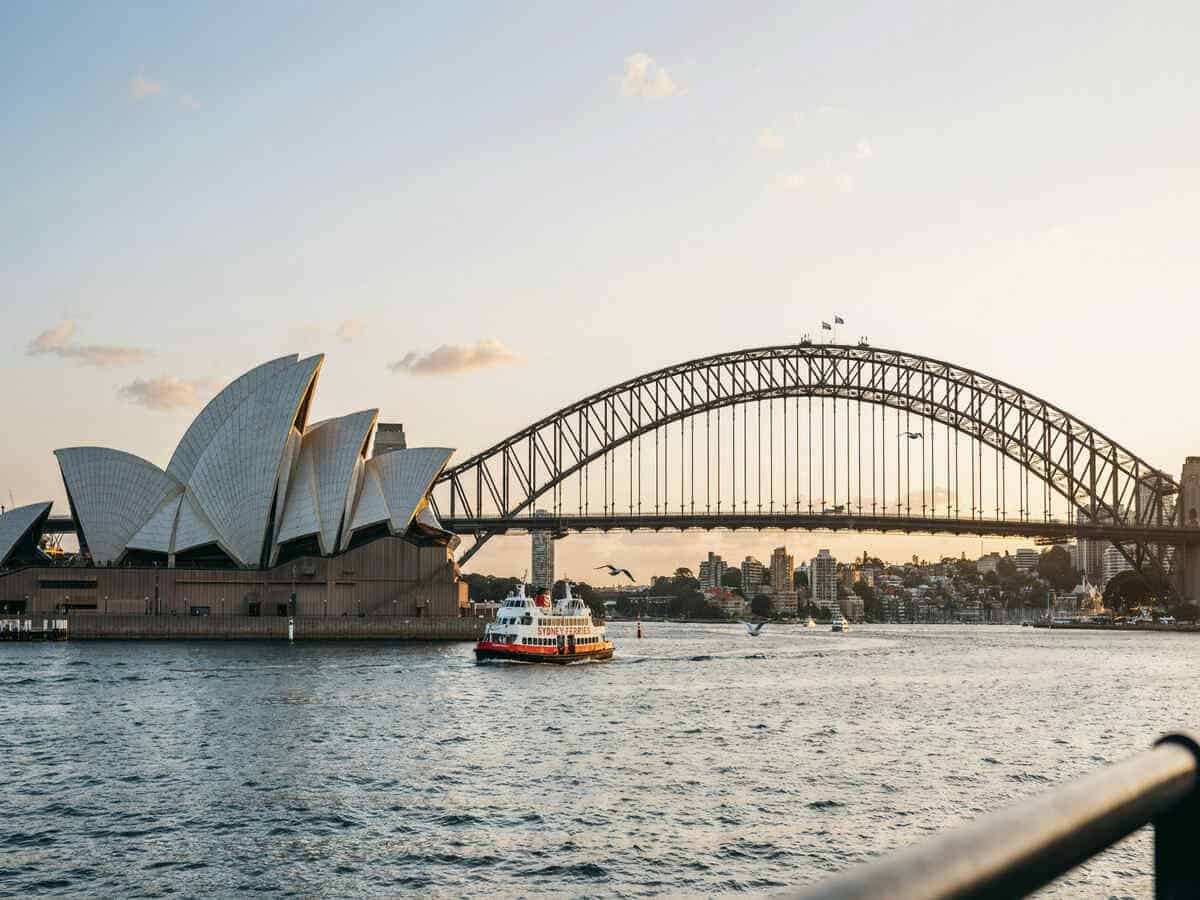
Sydney Strengthens Australia’s Global Appeal Through World-Famous Attractions
Sydney remains one of Australia’s strongest tourism destinations, attracting international holidaymakers, business travellers and domestic visitors.
During the year ending June 2026, Sydney recorded approximately 68.4 million total visits, generating around A$35.1 billion in visitor expenditure. International visitation reached approximately 3.8 million visits.
The city’s famous landmarks continue to attract global attention.
Key tourism attractions include:
- Sydney Opera House: Architectural tours, cultural performances and international recognition.
- Sydney Harbour: Harbour cruises, waterfront dining and sightseeing experiences.
- Bondi Beach: Coastal recreation, surfing and international beach tourism.
- Sydney Harbour Bridge: Iconic views and adventure tourism experiences.
Sydney’s attractions encourage visitors to explore the city beyond brief sightseeing trips. Hotels, restaurants, cultural venues and transportation providers benefit from this activity.
Its international air connections also establish Sydney as a major gateway for travellers exploring other Australian destinations.
Melbourne Fuels Overnight Holiday Demand Through Culture and Major Events
Melbourne continues to strengthen Australia’s tourism industry through cultural experiences, international events and strong interstate holiday demand.
The city recorded approximately 3.5 million interstate overnight leisure trips during the year ending June 2026, generating around A$4.5 billion in visitor spending.
Victoria’s overall visitor expenditure increased by approximately 6.6%, reflecting wider tourism activity across the state.
Melbourne’s famous laneways attract visitors interested in street art, independent cafés and urban culture.
International sporting events, museums, theatres and culinary attractions further strengthen its tourism reputation.
Nearby destinations, including the Great Ocean Road, Twelve Apostles and Phillip Island, encourage travellers to extend their holidays beyond Melbourne.
This combination supports overnight accommodation demand, regional tourism operators and local hospitality businesses.
Gold Coast Attracts International Travellers With Beaches and Resort Experiences
Queensland’s Gold Coast is strengthening its position as a popular international and domestic holiday destination.
During the year ending June 2026, the region welcomed approximately 8.9 million domestic day visitors and 5.1 million domestic overnight visitors.
Several international markets also demonstrated encouraging growth.
Chinese visitation increased by 45.6%, while arrivals from South Korea rose by 31.5%. Japanese visitation increased by 16%, and British arrivals grew by 4.4%.
These percentages represent individual source-market growth rather than the destination’s overall international growth rate.
The Gold Coast attracts travellers through Surfers Paradise, beaches, theme parks, coastal resorts and surfing experiences.
Family holidays and longer recreational stays generate demand for accommodation and tourism services.
The destination’s international popularity supports Queensland’s wider visitor economy.
Brisbane Expands Business Tourism and Urban Holiday Opportunities
Brisbane is becoming an increasingly important centre for business events, leisure holidays and domestic tourism spending.
During the year ending March 2026, Brisbane accounted for approximately 37% of Queensland’s domestic visitor expenditure.
The city attracts travellers through South Bank Parklands, cultural galleries, waterfront dining and entertainment precincts.
Conferences, exhibitions and corporate gatherings support hotel bookings, restaurants and meeting facilities.
Brisbane also provides convenient access to the Gold Coast and Sunshine Coast, allowing visitors to combine city sightseeing with coastal holidays.
Its tourism infrastructure helps attract both business and leisure travellers.
This combination strengthens Brisbane’s contribution to Australia’s diversified tourism economy.
Cairns and Great Barrier Reef Strengthen Australia’s Nature Tourism Appeal
Cairns remains an important gateway to Australia’s marine tourism industry, attracting visitors interested in tropical landscapes and underwater adventures.
The Great Barrier Reef offers snorkelling, scuba diving and guided marine excursions, making it one of Australia’s most internationally recognised attractions.
Cairns also provides access to the Wet Tropics rainforests and Kuranda’s scenic experiences.
Tropical North Queensland welcomed approximately 568,000 international overnight visitors during the year ending June 2025, generating around A$1.2 billion in international expenditure.
These earlier figures demonstrate the region’s importance but do not establish its 2026 growth rate.
Marine excursions, rainforest activities and extended holiday packages support hotels, tour operators and regional businesses.
The combination of reef and rainforest experiences strengthens Australia’s appeal among nature-focused travellers.
Uluru and Kata Tjuta Promote Indigenous Heritage and Outback Tourism
Uluru and Kata Tjuta provide some of Australia’s most distinctive cultural and natural tourism experiences.
Located in the Northern Territory, these landmarks attract international visitors seeking desert landscapes, Aboriginal cultural experiences and outdoor exploration.
Sunrise and sunset viewing remain popular activities, allowing travellers to observe Uluru’s changing colours.
Guided cultural experiences introduce visitors to the traditions and continuing cultural connections of the Anangu Traditional Owners.
Kata Tjuta’s spectacular rock formations provide additional sightseeing opportunities.
The Northern Territory recorded tourism-consumption growth of approximately 12.8% during 2024–25, although this does not represent Uluru’s individual 2026 performance.
Cultural tourism, specialist guided activities and regional accommodation help distribute visitor spending across the Australian outback.
Hunter Valley Boosts Regional Tourism Through Wine and Countryside Experiences
The Hunter Valley contributes significantly to Australia’s regional visitor economy through wine tourism, countryside accommodation and short-break holidays.
The wider Hunter region recorded approximately 14.2 million visits and A$6.1 billion in visitor expenditure during the year ending June 2026.
Its proximity to Sydney makes the region popular for weekend escapes and day trips.
Visitors enjoy vineyard tours, culinary experiences, scenic landscapes and boutique accommodation.
These activities support local businesses and encourage travellers to explore destinations outside Australia’s major metropolitan centres.
Overnight countryside stays also create additional opportunities for regional hotels and hospitality providers.
Blue Mountains Attract Travellers Through Scenic Landscapes and Outdoor Adventures
The Blue Mountains remain a popular nature-based destination, attracting tourists interested in outdoor activities and spectacular landscapes.
During the year ending June 2026, the region recorded approximately 2.6 million visits, generating around A$1.2 billion in visitor expenditure.
Major attractions include the Three Sisters, Echo Point and extensive walking trails.
The destination attracts both domestic holidaymakers and international visitors travelling from Sydney.
Its scenic lookouts, accommodation properties and local restaurants encourage short breaks and extended countryside visits.
Tourism supports regional employment and helps distribute visitor expenditure beyond Sydney’s metropolitan economy.
Perth Supports Western Australia’s Tourism Growth and Regional Travel
Perth plays an important role in attracting travellers to Western Australia, combining urban attractions with access to coastal and regional experiences.
Western Australia recorded approximately 11 million overnight trips and A$19.8 billion in total trip spending during the year ending June 2026.
These figures represent statewide tourism rather than Perth exclusively.
Visitors explore Perth’s waterfront, beaches, cultural attractions and dining districts.
Nearby Rottnest Island and Swan Valley offer additional tourism opportunities.
Perth also serves as a gateway to broader Western Australian holidays, supporting domestic transport, accommodation and regional tour operators.
Its connections between urban and regional destinations strengthen Australia’s wider tourism offering.
How Major Destinations Are Attracting Visitors and Boosting Australia Tourism in 2026
Australia’s destinations attract tourists through different experiences, creating opportunities for overnight stays, local spending and regional development.
| Australian destination | Main visitor attractions | Contribution to tourism |
|---|---|---|
| Sydney | Opera House, Bondi Beach, Harbour Bridge | International visitors, cultural holidays and city accommodation |
| Melbourne | Laneways, sporting events, Great Ocean Road | Overnight leisure trips, events and regional tourism |
| Gold Coast | Beaches, resorts, theme parks | International market growth and family holidays |
| Brisbane | South Bank, conferences, cultural venues | Business tourism and domestic visitor expenditure |
| Cairns | Great Barrier Reef, tropical rainforests | Marine tourism, diving and nature-based travel |
| Uluru and Kata Tjuta | Aboriginal heritage, desert landscapes | Cultural tourism and guided outback experiences |
| Hunter Valley | Vineyards, restaurants, countryside retreats | Wine tourism and regional overnight breaks |
| Blue Mountains | Three Sisters, walking trails, scenic views | Nature tourism and regional visitor spending |
| Perth | Beaches, Rottnest Island, Swan Valley | Urban tourism and wider Western Australian travel |
What Is Driving Australia’s Rising Tourism Demand?
Several factors are supporting the country’s expanding visitor economy.
- International holiday interest: Australia’s iconic attractions continue to encourage overseas travellers to explore the country.
- Overnight leisure demand: City breaks, coastal holidays and countryside retreats support accommodation and hospitality businesses.
- Cultural tourism: Indigenous heritage, museums and creative districts provide distinctive visitor experiences.
- Nature-based adventures: Marine attractions, national parks and wildlife experiences encourage regional exploration.
- Business events: Conferences, exhibitions and corporate travel generate spending beyond traditional holiday tourism.
- Multi-destination itineraries: Guided tours encourage travellers to combine major cities with regional attractions.
One example is Friendly Planet Travel’s newly advertised 15-day Discover Icons of Australia tour, featuring Melbourne, Uluru, Kata Tjuta, Cairns, the Great Barrier Reef and Sydney.
Its advertised departures begin in August 2027, representing future tourism opportunities rather than confirmed visitor growth during 2026.
Australia’s Tourism Outlook Remains Strong as Destinations Expand Their Appeal
Australia’s tourism momentum in 2026 reflects the combined strength of major cities, coastal destinations and regional attractions.
Sydney and Melbourne support visitor activity through international connections, cultural experiences and major events. The Gold Coast attracts holidaymakers through beaches and resorts, while Brisbane strengthens business and leisure travel.
Meanwhile, Cairns, Uluru, the Hunter Valley, Blue Mountains and Perth encourage travellers to discover Australia’s natural landscapes and regional experiences.
With approximately 8.4 million international visitor trips and A$40.5 billion in international visitor expenditure, the country’s tourism sector is demonstrating significant economic progress.
Although individual destinations report different visitor trends, Australia’s varied attractions and opportunities for longer holidays provide a strong foundation for continued tourism development, regional spending and international travel demand.
The post Sydney Follows Melbourne And More In Fueling Strong Demand And Surging Overnight Stays As Australia Tourism Gains Momentum appeared first on Travel And Tour World.
