
Southeast Asian travellers are reshaping regional tourism through growing demand for religious pilgrimages, historic landmarks, cooler destinations and tropical island holidays, according to the Traveloka SEA Index Q3 2026, released on 14 October. Covering Indonesia, Malaysia, Singapore, Thailand and Vietnam between 1 July and 30 September 2026, the report identifies Mecca in Saudi Arabia, Borobudur in Indonesia, Melbourne in Australia, Luang Prabang in Laos and Phú Quốc in Vietnam among the destinations gaining attention. The findings highlight how faith, cultural heritage, seasonal weather and distinctive travel experiences are influencing accommodation bookings and destination searches across five important Southeast Asian travel markets.
The strongest movements include Indonesian accommodation bookings to Mecca rising by more than 50% year-on-year, Singaporean bookings to Melbourne more than tripling and Vietnamese bookings to Luang Prabang more than doubling. Meanwhile, searches for New York City from Vietnam increased by 152%, showing that long-haul urban destinations continue to attract interest alongside regional cultural holidays.
Phú Quốc emerged as another important destination in the quarterly findings. The Vietnamese island exceeded origin-market booking-growth benchmarks across all five markets studied, making it a notable regional beach tourism performer. The findings reflect a regional market in which established religious centres are attracting attention alongside mountain retreats, historic cities and international leisure destinations. Rather than following one common travel pattern, each country displayed different preferences shaped partly by geography, cultural connections and seasonal conditions.
Southeast Asia’s Q3 2026 Travel Trends Reveal Five Distinct Tourism Markets
The Traveloka SEA Index analyses first-party booking and search activity to identify destinations gaining momentum. Its third-quarter findings reveal both shared regional interests and significant differences in travel preferences. Religious tourism played an important role in Indonesia’s outbound accommodation market. Malaysia showed increasing interest in the historic temple landscapes of neighbouring Indonesia. Singaporean travellers favoured cooler seasonal destinations, while Thailand recorded growth in nature-based domestic travel and international city breaks. Vietnam combined growing interest in the historic streets of Luang Prabang with stronger searches for New York.
The index measures booking growth rather than overall visitor numbers. Search increases are reported separately and do not necessarily indicate completed reservations or journeys.
Q3 2026 Travel Trends Across Five Southeast Asian Markets
| Origin market | Leading destinations | Q3 2026 findings | Main tourism trend |
|---|---|---|---|
| Indonesia | Mecca, Jeddah, Madinah, Wonosobo and Sukabumi | Mecca accommodation bookings rose by more than 50% year-on-year | Religious pilgrimages and cooler domestic escapes |
| Malaysia | Magelang and Yogyakarta, Indonesia | Growing bookings to destinations associated with Borobudur and Prambanan | Cross-border cultural and religious heritage |
| Singapore | Melbourne, Australia, and Jeju Island, South Korea | Melbourne accommodation bookings more than tripled | Cooler weather and seasonal scenery |
| Thailand | Khao Yai, Thailand, and Chongqing, China | Khao Yai led domestic booking growth; Chongqing led international growth | Green-season nature and mountain-city tourism |
| Vietnam | Luang Prabang, Laos, and New York City, United States | Luang Prabang bookings more than doubled; New York searches increased 152% | Slow heritage travel and long-haul city interest |
| Regional standout | Phú Quốc, Vietnam | Booking growth exceeded origin-market benchmarks in all five countries | Regional beach tourism |
Source: Traveloka SEA Index Q3 2026. Figures relate to the platform’s booking and search activity between 1 July and 30 September 2026.
Indonesia’s Mecca Pilgrimage Demand Rises More Than 50% as Faith Tourism Gains Strength
Indonesia delivered one of the quarter’s clearest religious travel trends, with accommodation bookings to Mecca increasing by more than 50% compared with the corresponding period in 2025. Mecca, Jeddah and Madinah all ranked among the ten fastest-rising international destinations for Indonesian travellers on the platform. Their appearance demonstrates the importance of Saudi Arabia’s religious destinations within Indonesia’s outbound accommodation market.
Mecca is Islam’s holiest city and the centre of the Hajj and Umrah pilgrimages. Madinah is another major destination for Muslims visiting important religious and historical sites. Jeddah provides access to the western Saudi Arabian region and is a major commercial and transport centre. The growth creates commercial opportunities across accommodation, travel agency services, transport connections and pilgrimage packages. Religious travel commonly involves detailed planning because travellers must coordinate accommodation, local movement and arrangements at important religious locations.
However, the index does not distinguish between different types of religious journeys or establish the purpose of every booking. Indonesia’s domestic travel preferences followed a different direction. Wonosobo in Central Java and Sukabumi in West Java were among the fastest-growing domestic destinations, attracting attention for their cooler highland landscapes. Wonosobo provides access to the Dieng Plateau, known for its elevated terrain and mountain scenery. Sukabumi offers access to green hills, waterfalls and outdoor attractions. These settings appeal to travellers seeking relief from hotter lowland conditions during the dry season.
Indonesia’s 10.58 Million Foreign Arrivals and 842.15 Million Domestic Trips Show Tourism’s Scale
Indonesia’s wider tourism statistics provide important context for the quarterly booking trends. Government figures indicate that the country received approximately 10.58 million international visitor arrivals between January and August 2026, an increase of 5.38% compared with the same period in 2025. Domestic tourism recorded a much larger volume, reaching 842.15 million trips during the first eight months, representing year-on-year growth of 4.29%.
In August alone, Indonesia registered 104.30 million domestic tourist trips, rising 11.47% year-on-year. International visitor arrivals reached 1.60 million, up 6.27%. Outbound travel presents an additional distinction. Indonesia recorded approximately 643,690 outbound tourist trips in August, a decrease of 6.02% year-on-year. These figures show why the Mecca accommodation trend should not be treated as evidence that Indonesia’s entire outbound tourism market grew at the same rate.
Malaysia’s Borobudur and Prambanan Tourism Growth Highlights the Power of Shared Heritage
Malaysia’s third-quarter travel pattern placed Indonesia’s historical and religious attractions in the spotlight. Accommodation bookings to Magelang and Yogyakarta increased as travellers explored destinations associated with some of Southeast Asia’s most important ancient monuments. Borobudur, located near Magelang in Central Java, is one of the world’s most significant Buddhist temple complexes. Built during the eighth and ninth centuries, the monument features terraces, stone carvings and stupas that reflect Buddhist religious traditions.
Prambanan, near Yogyakarta, represents another important chapter in Indonesia’s history. The Hindu temple complex is associated with religious architecture, ancient Javanese society and traditional artistic expression. Both Borobudur and Prambanan received UNESCO World Heritage recognition in 1991. Their combined appeal creates opportunities for cultural itineraries that connect religious history with architecture, local communities, traditional food and historic attractions.
Malaysia and Indonesia also share longstanding cultural, linguistic and historical connections. These links provide a familiar regional context for visitors seeking experiences beyond conventional shopping or beach holidays. The Traveloka findings do not provide an exact percentage increase for Magelang and Yogyakarta in the public summary. Nevertheless, their inclusion identifies growing accommodation demand associated with Java’s cultural heritage attractions.
Singapore’s Melbourne Bookings More Than Triple as Travellers Seek Winter and Spring Experiences
Singapore’s outbound tourism market showed strong demand for destinations offering seasonal conditions different from its tropical climate. Melbourne, Australia, recorded one of the quarter’s most striking changes, with accommodation bookings from Singapore more than tripling year-on-year. The Australian city experiences winter between June and August, followed by spring from September. This seasonal transition coincided with the period covered by the Traveloka index. For visitors accustomed to Singapore’s warm and humid conditions, Melbourne offers noticeably cooler weather, different urban landscapes and seasonal outdoor experiences.
The city’s attractions include cultural venues, food districts, shopping areas, parks and access to surrounding regional destinations. Singaporean travellers also showed interest in East Asian destinations, including Jeju Island in South Korea. Jeju’s volcanic landscapes, coastlines and temperate seasonal environment provide an alternative to conventional tropical beach holidays. The destination combines natural attractions with food, local culture and outdoor activities. The growing demand for cooler destinations is important for tourism marketers because it highlights the commercial value of seasonal differences.
Thailand’s Khao Yai Green Season Becomes a Major Domestic Tourism Attraction
Thailand’s domestic travel market demonstrated that the rainy season can support destination growth when natural landscapes become central to the holiday experience. Khao Yai emerged as Thailand’s fastest-rising domestic destination in the Traveloka Q3 2026 findings. Located within reach of Bangkok, the area is associated with national park landscapes, forests, grasslands, wildlife habitats and waterfalls. Between June and September, seasonal rainfall transforms much of the surrounding environment. Vegetation becomes greener, waterfalls gain volume and the landscape develops a different character from the dry season.
These conditions help explain the attraction of Khao Yai for travellers seeking nature-based breaks. The destination offers opportunities for short holidays built around scenic landscapes, accommodation surrounded by greenery and outdoor activities. Khao Yai’s booking performance is also significant because it demonstrates the importance of domestic destinations within Thailand’s broader tourism economy. Short-distance nature travel can support regional accommodation businesses and visitor services without depending exclusively on international arrivals. The index does not disclose the precise percentage increase in Khao Yai bookings, but its position as the fastest-rising domestic destination makes it a clear standout in the Thai market.
Thailand’s Chongqing Travel Growth Reveals Rising Interest in China’s Mountain Metropolis
Thailand’s international travel preferences offered a striking contrast to its domestic green-season trend. Chongqing, China, emerged as the fastest-rising international destination in the Traveloka rankings for Thai travellers. The city is known for its dramatic mountainous terrain, dense urban development, elevated roads, bridges and brightly illuminated skyline. Its unusual urban geography creates a distinctive visitor experience, with steep streets and buildings arranged across multiple levels. Chongqing also offers food, shopping, riverside attractions, entertainment and large metropolitan districts.
The destination’s appeal differs from conventional coastal holidays. Its combination of mountains and modern urban infrastructure creates opportunities for sightseeing and city-focused itineraries. For travel companies serving Thailand’s outbound market, Chongqing’s performance identifies interest in Chinese destinations offering distinctive urban experiences. The growth also reflects the broader diversity of international travel preferences within Southeast Asia.
Vietnam’s Luang Prabang Bookings More Than Double as Slow Heritage Tourism Gains Attention
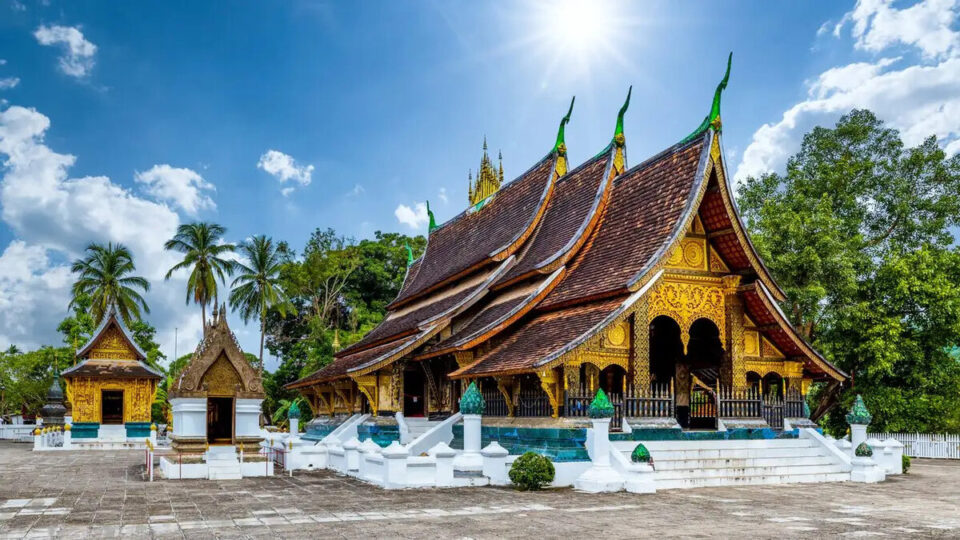
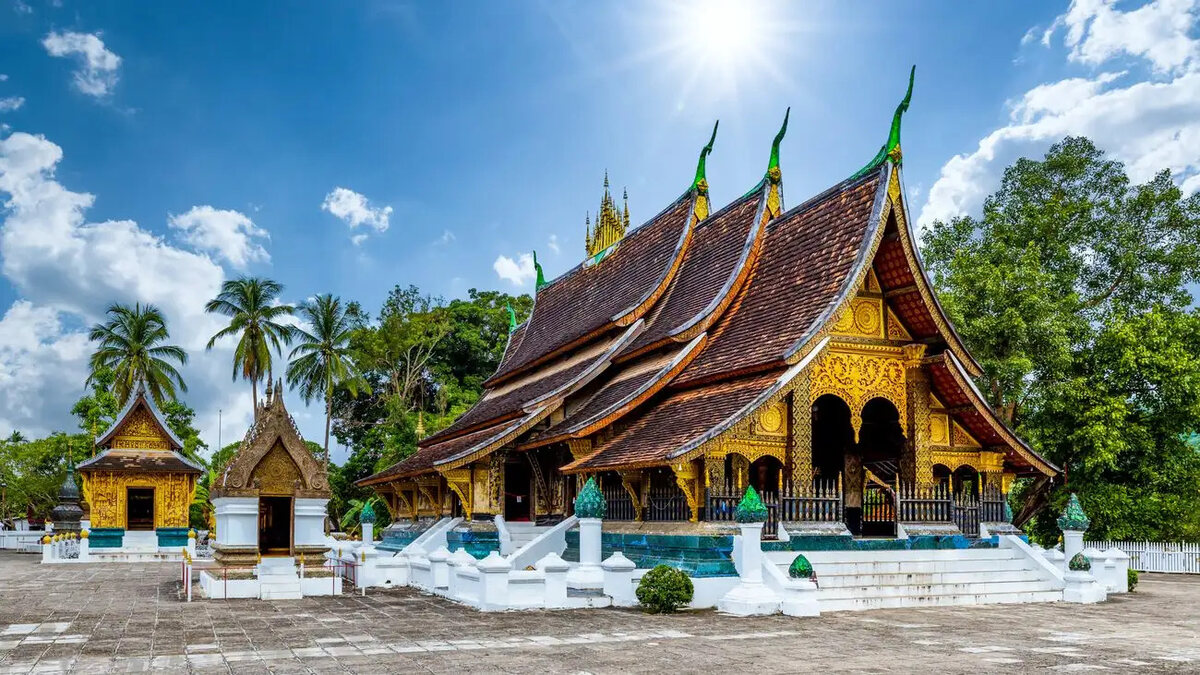
Vietnamese travellers increasingly explored the cultural attractions of neighbouring Laos during the third quarter. Luang Prabang recorded accommodation booking growth of more than 100% year-on-year, meaning bookings more than doubled compared with the same period in 2025. Traveloka identified the increase as coming from a smaller starting base, an important distinction when interpreting its growth rate.
Luang Prabang gained UNESCO World Heritage status in 1995 because of its distinctive combination of traditional Lao architecture and historic European colonial-era buildings. Among them is morning almsgiving, known as Tak Bat, during which monks receive offerings as part of their religious practice. The town’s cultural landscape offers opportunities for heritage tourism, historic walking routes, temple visits and locally focused travel experiences. Compared with larger metropolitan destinations, Luang Prabang provides a different pace of holiday. For Vietnamese travellers, its location within Southeast Asia also creates opportunities to explore neighbouring cultural traditions.
New York Searches Surge 152% as Vietnam’s Long-Haul Travel Interest Expands
Vietnam’s growing interest in Luang Prabang was accompanied by a very different international travel trend. Search activity for New York City increased by 152% year-on-year, according to the Traveloka index. The rise indicates stronger interest in one of the world’s best-known metropolitan destinations. New York offers major cultural attractions, entertainment, museums, shopping areas and internationally recognised landmarks. Its appearance alongside Luang Prabang highlights the range of destinations capturing Vietnamese travellers’ attention.
One represents nearby cultural heritage and a slower urban environment. The other offers a large international city with extensive commercial and entertainment attractions. The contrast is commercially relevant for travel agencies and destination marketers seeking to understand how different types of holidays compete for consumer attention. However, searches represent interest rather than confirmed demand. The reported 152% increase does not establish that accommodation bookings, ticket purchases or completed journeys to New York increased by the same amount.
Vietnam Welcomes 17.68 Million International Visitors as Tourism Growth Continues in 2026
Vietnam’s national tourism statistics provide further context for the strong interest in its destinations. According to the Viet Nam National Authority of Tourism, the country welcomed 17,680,714 international visitors during the first nine months of 2026, representing an increase of 14.5% compared with the corresponding period in 2025. September alone recorded 1,768,549 international arrivals, rising 16.1% year-on-year despite falling 11.3% from August.
During the first nine months, approximately 14.71 million international visitors arrived by air, 2.73 million by land and 243,438 by sea. Vietnam also recorded approximately 126 million domestic tourist trips during January–September 2026, an increase of 5.8% year-on-year. Government figures placed total tourism receipts at approximately VND 874 trillion for the nine-month period, up 10%. The figures underline the country’s importance as both an international visitor destination and a substantial domestic tourism market.
Phú Quốc Outperforms Booking Growth Benchmarks Across All Five Southeast Asian Markets
Phú Quốc emerged as the strongest regional beach destination highlighted in the Traveloka SEA Index Q3 2026. The Vietnamese island led the newcomers to the regional growth rankings, outperforming the relevant origin-market booking-growth benchmarks in Indonesia, Malaysia, Singapore, Thailand and Vietnam. This cross-market performance is significant because it demonstrates growing booking momentum across multiple national travel markets rather than reliance on a single source country. Located in the Gulf of Thailand, Phú Quốc offers tropical beaches, coastal resorts, island landscapes and leisure attractions.
The island provides a contrast to several of the quarter’s other leading destinations. Unlike Mecca’s religious attractions, Luang Prabang’s historic temples or Melbourne’s seasonal weather, Phú Quốc is principally associated with tropical leisure and beach tourism. Its performance demonstrates that conventional coastal holidays continue to generate interest even as cultural and experience-focused travel gains attention.
What the Q3 2026 Findings Mean for Travel Agencies, Hotels and Tourism Destinations
The quarterly results offer several commercially relevant signals for Southeast Asia’s tourism industry. The first concerns special-interest travel. Religious pilgrimages and heritage experiences are generating measurable accommodation demand, creating opportunities for tour operators offering carefully planned itineraries.
The second involves seasonality. Melbourne’s cooler weather and Khao Yai’s green-season scenery demonstrate how different climate conditions can support distinctive tourism experiences. The third relates to destination diversity. Travellers are considering a wide range of places, from historic religious towns to major international cities and tropical islands. The fourth concerns regional market targeting. Phú Quốc’s performance across five origin markets shows the importance of understanding demand beyond a destination’s traditional visitor base.
Several developments stand out for tourism businesses:
- Faith tourism: Growing bookings to Mecca, Jeddah and Madinah identify continued opportunities for pilgrimage-related accommodation and travel services.
- Heritage tourism: Borobudur, Prambanan and Luang Prabang demonstrate interest in culturally significant destinations.
- Seasonal travel: Melbourne, Jeju and Khao Yai highlight the role of changing weather and natural landscapes.
- Urban tourism: Chongqing and New York attract attention through distinctive metropolitan experiences.
- Beach tourism: Phú Quốc shows booking momentum across multiple Southeast Asian origin markets.
These findings can inform destination promotion, accommodation planning, holiday package development and market-specific sales strategies. They do not, however, provide a forecast of future visitor numbers or guarantee that current growth rates will continue.
Southeast Asia’s Travel Market Enters the Final Quarter of 2026 With More Diverse Demand
The Traveloka SEA Index Q3 2026 illustrates an increasingly varied tourism market across Indonesia, Malaysia, Singapore, Thailand and Vietnam. Religious travel to Saudi Arabia, heritage journeys through Indonesia and Laos, seasonal holidays in Australia and South Korea, nature breaks in Thailand and growing beach demand in Vietnam all featured in the quarterly findings. The national figures add important perspective. Indonesia recorded 842.15 million domestic trips during the first eight months of 2026, while Vietnam welcomed 17.68 million international arrivals during the first nine months.
These statistics show the scale of tourism activity within two major Southeast Asian markets, while the booking index identifies specific destinations attracting growing attention. As the region enters the final months of 2026, the findings provide a clearer picture of the types of experiences that gained momentum during the third quarter. From Mecca’s pilgrimage destinations and Java’s ancient temples to Melbourne’s cooler seasons and Phú Quốc’s tropical coastline, Southeast Asia’s latest travel data shows a tourism market increasingly defined by the variety of experiences travellers are seeking.
The post Mecca Teams Up with Borobudur, Melbourne and Phú Quốc to Lead Southeast Asia’s New Faith and Heritage Tourism Wave in 2026 appeared first on Travel And Tour World.
