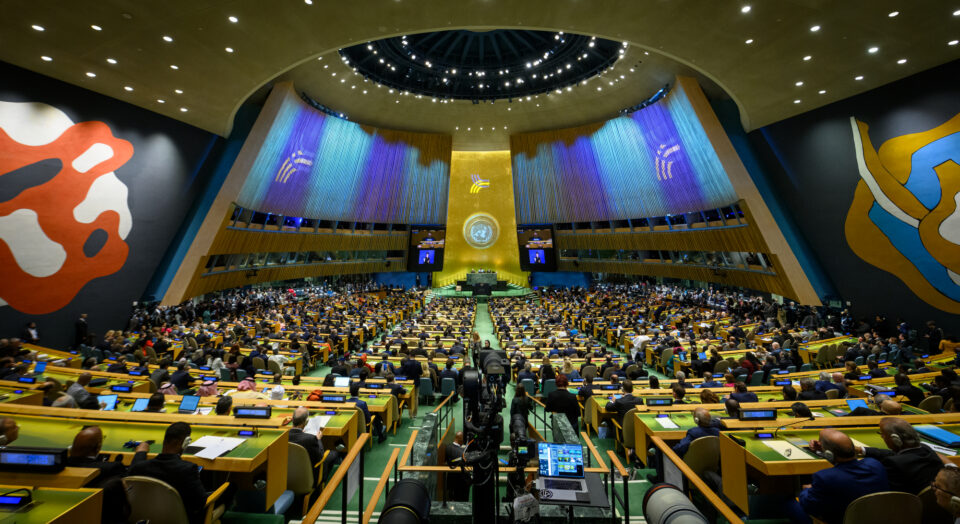
Behind every headline lies a deeper story—a layer of strategy, ambition, and geopolitical maneuvering that rarely makes it into public view. As global tensions rise, economies shift, and power balances tilt, major nations are increasingly shaping narratives to influence both their citizens and the international community. What the world sees is often the polished tip of a much larger iceberg.
Today’s global landscape is complex and fast-moving, but one truth remains constant: the world’s biggest players always have more to say—and more to hide—than what meets the eye. Here’s a look at what major nations are not telling the world, and why it matters now more than ever.
1. The Real State of Global Economies
Public statements often paint reassuring pictures—”steady growth,” “robust recovery,” “manageable inflation.” Behind the scenes, however, major economies face challenges far deeper than official reports reveal.
The Hidden Debt Bomb
Countries like the United States, China, Japan, and many in Europe are carrying record-breaking levels of sovereign debt. But what leaders seldom mention is how this debt limits their economic flexibility. Rising interest rates have turned servicing debt into a financial burden with long-term consequences.
Governments know that admitting the true scale of debt vulnerabilities could spook markets, trigger capital flight, and spark political backlash. So instead, they focus on the storyline of resilience, masking the structural weaknesses building beneath.
Unemployment Figures That Hide More Than They Show
Another quiet truth: many nations frame unemployment data to appear stronger than reality. The “jobless rate” rarely includes:
- Underemployment
- Gig workers without stability
- Citizens who stopped looking for work
- Low-wage roles that replaced skilled jobs
From Washington to London to Beijing, leaders want to highlight recovery—not the fragility of their workforce.
2. Geopolitics: The Moves Being Made Behind Closed Doors
Surface-level diplomacy is often a performance. True power shifts happen in private—where nations negotiate, bargain, and pressure one another away from public scrutiny.
Backchannel Negotiations Are Shaping the Future
Major players often deny relations or maintain public distance while quietly engaging in background talks. Whether it’s Washington and Beijing discussing trade stability, Gulf countries negotiating defense cooperation, or Moscow forging new energy routes, what’s visible is only a fraction of the real diplomacy.
Military Build-Ups Masked as “Routine Exercises”
Countries rarely announce large-scale arms development openly. Yet satellite imagery and defense procurement records reveal:
- Rapid expansion of naval and air capabilities
- Increased presence in strategic waterways
- Quiet alliances forming through arms deals
Behind diplomatic smiles lies a world preparing for conflict—not necessarily war, but competitive positioning at levels unseen since the Cold War.
3. Energy Wars: The Quiet Struggle for Control
Energy remains the most influential weapon of modern geopolitics. Nations know this, and they protect energy strategies with secrecy.
Clean Energy Promises vs. Reality
While world leaders champion the transition to renewables, many nations are simultaneously expanding oil and gas investments behind the scenes. They know the truth the public isn’t told:
- Global demand for fossil fuels is not declining—it’s rising.
- Renewable systems are not yet sufficient to support industrial-scale consumption.
- Energy independence is becoming a race for control, not cooperation.
As a result, nations publicly promote green initiatives while privately striking oil deals, building LNG terminals, and securing long-term supply contracts.
Strategic Resource Hoarding
From rare earth metals to lithium to uranium, resource competition is intensifying. Nations don’t openly discuss stockpiling strategies, but the reality is clear:
Whoever controls energy and resources controls the future.
4. Technology: The Silent Battlefield
Tech innovation is no longer just about progress—it’s about dominance. But the full extent of digital power struggles remains deliberately hidden.
Cyber Warfare Is Already Happening
Governments rarely admit the scale of cyberattacks taking place daily. Acknowledging vulnerabilities would expose national weaknesses. So the world hears phrases like “systems disrupted” or “technical issues,” when in truth:
- State-backed groups are targeting critical infrastructure
- Elections are being influenced through digital interference
- Data breaches are exposing millions of citizens
- AI warfare strategies are accelerating quietly
AI Development Hidden from Public Debate
While nations speak about ethical AI, much of the real advancement is happening in military, intelligence, and surveillance applications. This includes:
- Real-time population monitoring
- Autonomous weapons
- Predictive intelligence tools
- Advanced cyber intrusion systems
Governments understand that revealing these capabilities could spark public pushback, diplomatic tension, and global scrutiny. So silence prevails.
5. Social Stability: The Stories States Downplay
Nations often portray unity and stability, but social pressures are rising worldwide.
Internal Divisions Are Deeper Than Reported
From Europe to Asia to the Middle East, governments frequently downplay:
- Economic inequality
- Immigration tensions
- Youth unemployment
- Housing crises
- Declining public trust in institutions
Public messaging focuses on progress and positive reforms—even when internal reports tell a very different story.
Erosion of Civil Liberties Through “Security Measures”
Many countries are quietly expanding surveillance, broadening security laws, and increasing data collection on citizens. Governments frame these moves as necessary for national safety, but often omit the long-term consequences:
- Reduced privacy
- Increased state control
- Suppressed dissent
- Higher dependency on digital monitoring systems
This is one of the most underreported shifts of the decade.
6. Global Health: Lessons Still Unspoken
After recent global health crises, many nations pledged transparency. Yet in many cases, the opposite has occurred.
Underreporting Is Common
Whether due to political risk, fear of economic damage, or bureaucratic limits, some countries routinely understate:
- Infection numbers
- Hospital capacity strains
- Public health risks
- Emerging outbreaks
Leaders understand that acknowledging vulnerabilities can destabilize markets and public confidence.
Pharmaceutical Influence Often Goes Unmentioned
Governments rarely discuss corporate influence over health policy, vaccine strategy, or drug pricing. Yet pharmaceutical giants hold enormous power in shaping global health decisions.
7. The World Is More Connected—and More Secretive—Than Ever
The great paradox of our era is this:
As information becomes more accessible, global power becomes more opaque.
Governments release polished statements, curated data, and narratives designed to build confidence or shape perception. But beneath that surface lies a complex reality of economic insecurity, geopolitical maneuvering, technological warfare, and social tensions.
Major nations are not necessarily lying—
they’re selectively telling the truth.
They reveal what strengthens their position and conceal what exposes weakness.
Conclusion: Why This Matters
Understanding what major nations are not telling the world is essential to understanding global direction. The future of geopolitics will be defined not only by public announcements but by:
- Strategic silence
- Hidden alliances
- Private negotiations
- Cyber capabilities
- Economic vulnerabilities
- Resource competition
The world is entering an era where what’s unsaid is just as important as what’s said.
As headlines flash across screens every day, it becomes crucial for readers, analysts, and leaders alike to look beyond the surface—and ask the questions the world’s major nations hope no one will.
