
For decades, globalization was the engine powering the world economy. Nations opened their borders, supply chains stretched across continents, and trade agreements made markets more interconnected than ever. But the world that once championed free trade is shifting — quietly, steadily, and decisively — toward a new era: modern protectionism.
Unlike the trade barriers of the past, today’s protectionism is subtle, technology-driven, politically strategic, and deeply tied to national security concerns. Behind the speeches and diplomatic smiles, governments are redesigning global trade rules — and the implications will be felt for decades.
A silent transformation is underway. And the world may soon find itself divided not by ideology, but by economic allegiance and strategic dependence.
Why Protectionism Is Rising Again — And Why Now
Four major global pressures have triggered this shift:
1. A Fragmented Geopolitical Landscape
Rivalries between major powers — particularly the U.S., China, and Russia — have pushed nations to rethink economic interdependence. The fear is simple:
If your supply chain depends on your rival, your economy is at risk.
This is leading to:
- trade barriers
- export controls
- investment restrictions
- “friendshoring” alliances
- bans on foreign technology
Economic security is now national security.
2. The Global Supply Chain Breakdown
The pandemic exposed how fragile global supply chains truly were. When one component stalled, entire industries collapsed. Nations are now prioritizing self-reliance and shortening supply chains instead of relying on low-cost global production.
3. Technology as a Weapon
The new battleground is not oil or territory — it’s technology. Nations are implementing trade barriers to protect:
- semiconductor manufacturing
- AI development
- 5G/6G infrastructure
- rare earth minerals
- defense technology
Technology is now seen as the key to economic dominance, and no country wants to fall behind.
4. Domestic Populism and Job Protection
Governments around the world are under pressure to protect domestic industries and workers. Bringing manufacturing “back home” has become a political promise — and increasingly, a legislative mandate.
The result?
A world slowly pulling back from globalization and moving toward regionalized, protected economic blocs.
The New Face of Protectionism: It’s Not What It Used to Be
Protectionism today is smarter, quieter, and more strategic than the tariff wars of the past.
1. “Friendshoring” and Selective Trade Alliances
Countries are shifting production to politically aligned nations rather than simply low-cost producers.
Example:
- U.S. and EU companies moving supply chains from China to Vietnam, Mexico, and India.
This is not about cost — it’s about control.
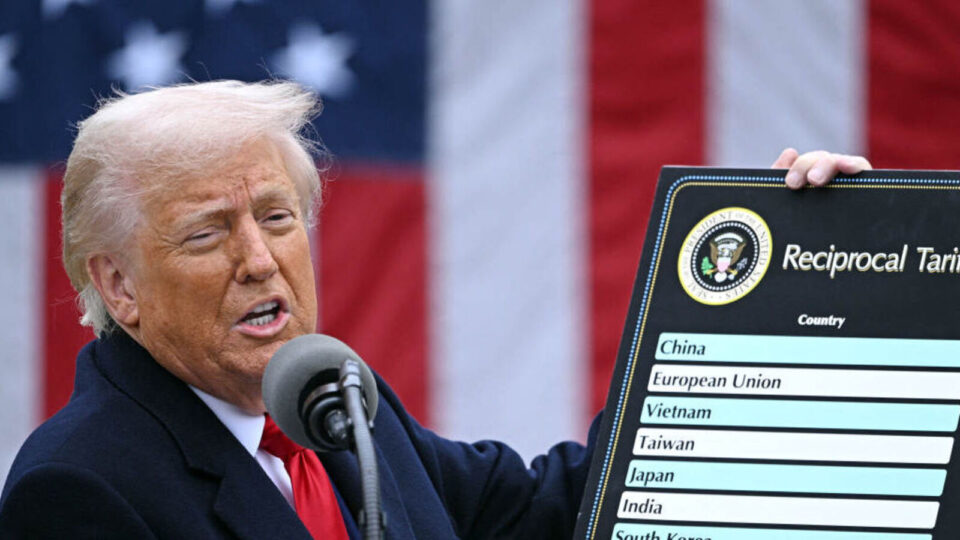
2. Strategic Tariffs and Counter-Tariffs
Major nations have revived tariffs, but they are now targeted rather than blanket.
Industries often hit by modern tariffs include:
- steel
- solar panels
- electronics
- automobiles
- agricultural products
Each tariff is designed to weaken a rival or protect a domestic sector.
3. Export Controls: The Silent Trade Weapon
Export bans on semiconductors, AI chips, defense tools, or rare minerals are now common. These restrictions quietly cripple competitors without triggering large-scale trade wars.
4. Investment Screening and Nationalization of Critical Sectors
More governments are blocking foreign investment in strategic industries such as:
- energy
- telecom
- defense
- infrastructure
- biotechnology
Protectionism is no longer just about goods — it’s about capital and influence.
The Rise of Regional Trade Blocs
As global trade becomes more fractious, regional blocs are becoming stronger:
- Asia-Pacific is being reshaped by China’s influence and the RCEP trade agreement.
- Europe is tightening internal rules while protecting against external threats.
- North America is strengthening cooperation through USMCA as part of a broader “nearshoring” strategy.
- Middle Eastern nations are forming new trade routes and alliances to diversify away from oil.
The world is no longer moving toward one global trade system, but several competing regional ones.
Industries Most Affected by Modern Protectionism
1. Semiconductors
The most geopolitically sensitive industry today.
Nations are investing billions in local chip manufacturing to escape foreign dependence.
2. Automotive
Electric vehicles, batteries, and rare minerals are now heavily protected through subsidies, tariffs, and domestic production mandates.
3. Energy
Sanctions, export bans, and geopolitical blockades are rewriting the global energy map.
4. Agriculture
Countries are shielding their farmers with subsidies and import restrictions to ensure food security.
5. Technology
AI, telecom, robotics, and space tech companies are caught in the crossfire of trade restrictions and digital borders.
The age of open, globalized industry is fading — replaced by a world where supply chains are political tools.
Winners and Losers in the New Era of Protectionism
Winners:
- nations with strong domestic manufacturing
- industries critical to national security
- countries offering “friendly” trade environments
- economies rich in rare minerals or energy resources
- regions positioned as alternative supply hubs (India, Vietnam, Mexico, Saudi Arabia, UAE)
Losers:
- heavily import-dependent economies
- manufacturers reliant on global supply chains
- multinational companies tied to unstable regions
- nations without strong political alliances
- consumers facing higher costs and fewer choices
Protectionism benefits governments and certain industries — but it often comes at a price.
How Protectionism Impacts Everyday People
Most consumers will feel the effects through:
- more expensive goods
- fewer foreign products available
- slower innovation cycles
- economic volatility
- reduced global job opportunities
Yet governments are selling protectionism as economic safety.
Are We Entering a De-Globalized World?
Not entirely — but globalization is being restructured.
Instead of one seamless global market, we are heading toward a world of:
- competing trade alliances
- guarded strategic industries
- selective cooperation
- politicized supply chains
- economic blocs built around trust
This is not the end of global trade — but the beginning of a more fragmented, strategic version of it.
The Future: What Comes After Globalization?
Experts predict a world characterized by:
1. Dual or Multi-Speed Trade Systems
Trade rules will differ based on alliances, not global standards.
2. Localized Manufacturing Hubs
Companies will produce goods closer to consumers for stability.
3. Technological Balkanization
Digital ecosystems (like AI, chips, and telecom) will become regionally divided.
4. Resource Nationalism
Countries will fiercely protect minerals, energy, and food supplies.
5. Resilient-but-costlier Supply Chains
Efficiency is being sacrificed for security.
The global economy we once knew is being rewritten — quietly but decisively.
Conclusion: Protectionism Is the New Normal
The world is entering a new age of economic self-preservation.
Nations are prioritizing resilience over efficiency, sovereignty over openness, and strategic alliances over global integration.
Protectionism is no longer a policy choice — it’s becoming a defining feature of the modern global economy.
The rules of the game are changing.
Power is shifting.
Trade is being rewritten.
And the future of globalization will look very different from its past.
