
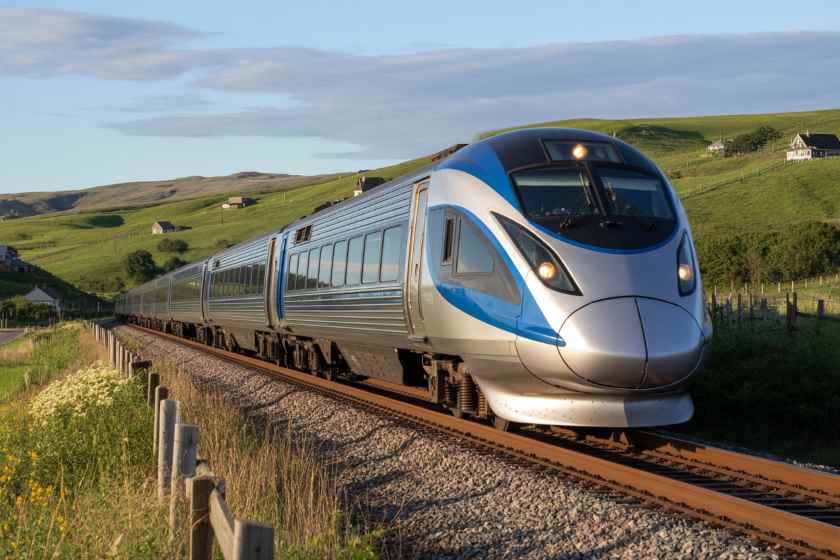

Amtrak has revealed a new, streamlined strategy to modernize its aging long-distance passenger fleet. After a thorough evaluation, the national rail operator has prioritized standardization, expanded competition, and reduced the risk of its fleet replacement program. This major overhaul is designed to accelerate the replacement of the railcars that have been in service for decades, with some dating back over 40 years.
“This new approach will deliver a more consistent and accessible customer experience across the Amtrak network while maintaining our commitment to introduce the first new long-distance cars in the early 2030s,” said Amtrak President Roger Harris. “Thanks to support from FRA Administrator David Fink and the entire Federal Railroad Administration team, Amtrak’s long-distance fleet replacement is moving forward more effectively and efficiently than originally planned.”
“With these new cars, Amtrak will finally replace its aging fleet and provide American travelers with the world class rail service they deserve, helping usher in Secretary Duffy’s vision for a new Golden Age of travel,” said U.S. Deputy Transportation Secretary Steve Bradbury. “These new cars won’t just benefit American train passengers, but workers too by supporting good paying domestic manufacturing jobs.”
“The FRA stands ready to work with Amtrak on behalf of President Trump and Transportation Secretary Duffy to update Amtrak’s aging passenger rail fleet with modern American made cars,” said FRA Administrator David Fink.
A Bold Move to Standardize Long-Distance Fleet
The most significant shift in this plan is the transition to a single, universal, single-level fleet for all long-distance routes. Currently, Amtrak’s fleet consists of a mix of bi-level and single-level cars, a structure that has created maintenance complexities and logistical challenges. By standardizing the fleet, Amtrak aims to improve operational efficiency and reduce long-term costs.
Upcoming Request for Proposals
In the next step, Amtrak will issue a formal Request for Proposals (RFP) inviting carbuilders to submit bids for the new fleet. This process will replace the previously planned bi-level procurement, emphasizing the need for innovation and quality in the new railcars. With this move, Amtrak aims to broaden the pool of potential suppliers and encourage more competitive bidding, which is expected to drive down costs and improve the overall quality of the new fleet.
Addressing Aging Infrastructure
Many of the long-distance railcars currently in service were delivered over 40 years ago, with some models now approaching their half-century mark. The current fleet has been experiencing wear and tear, with maintenance becoming more frequent and costly. While Amtrak moves forward with the procurement of the new fleet, it will continue to evaluate the existing cars to ensure that they remain safe and operational for as long as possible. This will involve assessing their condition and determining any life extension measures that could be necessary to maintain reliability until the new cars are ready for service.
A Comprehensive Modernization Program
The long-distance fleet replacement is part of a broader effort to modernize Amtrak’s entire system. The rail operator has already begun receiving new high-powered ALC-42 locomotives, with 79 of the planned 125 units already delivered. Additionally, Amtrak launched its NextGen Acela trains last fall, which serve America’s only high-speed rail corridor. Looking ahead, the Airo fleet is slated to begin service on the Amtrak Cascades in 2026, and other regions, including the Northeast Regional, will follow suit with new trains in the coming years.
Focus on Innovation and Reliability
The modernization of Amtrak’s fleet is not just about replacing old railcars; it’s about enhancing the passenger experience, improving service reliability, and making rail travel more competitive. The new fleet will feature state-of-the-art technologies that promise to increase comfort, reduce environmental impact, and ensure that Amtrak remains a viable travel option for passengers across the nation.
Amtrak’s commitment to modernizing its long-distance fleet reflects its goal to enhance the future of rail travel in America. As the rail operator moves forward with the procurement of new cars, it is positioning itself to provide safer, more reliable, and more efficient service for years to come.
This long-term investment in infrastructure demonstrates Amtrak’s commitment to improving the travel experience for its passengers while modernizing its operations to meet future demands.
The post Amtrak Revamps Long-Distance Rail Fleet with New Universal Single-Level Cars, Paving the Way for a Modernized Passenger Experience appeared first on Travel And Tour World.
