
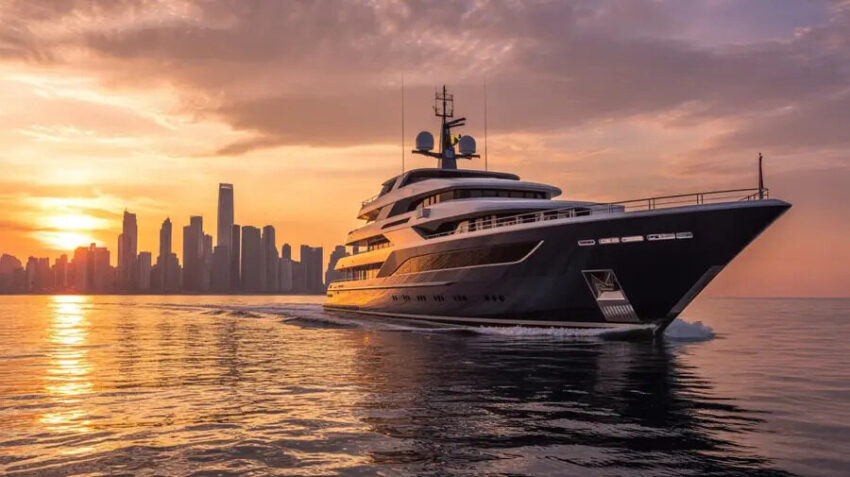

Angola is set to power its cruise tourism growth by investing Nearly Six Million US Dollars, aiming to attract thousands of international passengers by 2027. This ambitious initiative aligns Angola with countries like Saudi Arabia, China, Vietnam, and India, which have all recognized the potential of maritime tourism to drive economic growth. With the development of key port infrastructures, expansion of tourism offerings, and strategic global promotion, Angola is positioning itself to become a major cruise destination in Africa, tapping into an expanding market and projecting US$50 million in revenue by 2027. This investment is expected to significantly boost Angola’s tourism sector, create thousands of new jobs, and elevate the country’s profile on the global cruise tourism map.
Angola is stepping into a new era of maritime tourism with a bold initiative designed to solidify the country’s position as an emerging cruise tourism destination in Africa. The West African nation has recently unveiled a Nearly Six Million US Dollars investment in a development scheme aimed at transforming its cruise tourism infrastructure. The ambitious project promises to bring significant economic growth, with an expected US$50 million in revenue by 2027, setting a clear course for Angola to join the ranks of leading maritime tourism nations.
This transformation follows a surge in global interest in cruise tourism, as countries around the world seek to harness the economic potential of maritime travel. Angola’s latest move positions it alongside nations such as Saudi Arabia, China, Vietnam, and India, all of which have similarly made strides to improve their port infrastructures, expand tourism offerings, and create a more competitive position in the global cruise market.
Angola’s Strategic Investment in Maritime Tourism
The Nearly Six Million US Dollars scheme is aimed at reshaping Angola’s cruise tourism sector over the next few years. The plan includes a range of initiatives focusing on improving the country’s port infrastructure, increasing tourism offerings, and launching international promotion campaigns. This development is expected to help Angola become a key player in the maritime tourism sector, attracting a larger number of international cruise visitors, and significantly increasing its tourism revenue.
The country has seen just shy of 21,000 cruisegoers since 2013, with an average of five ships per year. However, this is set to change drastically under the new scheme. Angola’s government has set ambitious goals for the number of cruise tourists arriving in the country, forecasting that visitor numbers will increase to 2,500 for the 2025-26 season, followed by 3,000 in 2026-27 and 4,000 in 2027-28. With US$50 million in revenue projections based on these figures, Angola is clearly making cruise tourism a centerpiece of its economic diversification strategy.
Key Elements of Angola’s Maritime Tourism Scheme
The initiative focuses on four key pillars that aim to strengthen Angola’s maritime tourism industry:
- Port Infrastructure and Logistics: One of the primary goals of the project is to rehabilitate and adapt key ports in Luanda, Lobito, and Namibe to receive larger and more frequent cruise ships. This will include significant upgrades to port facilities, ensuring that Angola can accommodate the growing demand for cruise tourism. Additionally, access roads and connections to major tourist attractions will be enhanced to improve the overall experience for visitors.
- Enhancing Tourism Offerings: Angola plans to diversify its tourism offerings to cater to a broader range of travelers. This includes developing cultural, historical, and natural itineraries that will appeal to international tourists. To further enhance the visitor experience, the country will provide support for small and medium-sized enterprises (SMEs) linked to local handicrafts, catering, and tourism entertainment. The goal is to encourage longer stays and greater visitor spending, increasing economic benefits for the country.
- International Promotion and Partnerships: Angola plans to raise its profile on the global stage by participating in specialized international trade fairs and conducting promotional campaigns targeting tour operators and cruise companies. These efforts will aim to attract more cruise lines to include Angola as a key stop on their itineraries, further boosting the country’s tourism sector.
- Safety, Hospitality, and Passenger Experience: The final pillar focuses on improving the safety and hospitality standards for cruise passengers, with an emphasis on aligning with international industry standards. Angola plans to strengthen port security, enhance passenger services, and streamline visa procedures to ensure a smoother and more welcoming experience for visitors.
Economic Impact and Job Creation
The economic impact of Angola’s maritime tourism initiative will be profound. In addition to the revenue projections, the scheme is expected to increase tourism’s contribution to GDP by nearly 300% by 2030, compared to 2022 levels. Angola aims to achieve 2.5% of its GDP from tourism as part of its broader economic diversification strategy, which aims to reduce the country’s reliance on oil exports.
Moreover, the development of the cruise tourism sector is set to create a significant number of temporary jobs. Official estimates suggest a nearly 80% increase in job opportunities in industries related to tourism, including hospitality, restaurants, transport, and retail. By 2027, 6,955 temporary jobs are expected to be created, benefiting local communities, particularly in port cities. These jobs will help boost the local economy and provide new opportunities for workers across Angola.
Angola Joins Saudi Arabia, China, Vietnam, India, and More
Angola’s maritime tourism investment is part of a larger global trend where nations are enhancing their cruise tourism infrastructure and positioning themselves as attractive destinations for international cruise lines. Here are some of the other key countries making similar strides:
- Saudi Arabia: The Middle Eastern kingdom is on an ambitious path to develop its cruise tourism sector as part of its Vision 2030 economic diversification strategy. Saudi Arabia’s Cruise Saudi initiative is focusing on expanding port infrastructure along the Red Sea coast, with plans to attract international cruise lines to its shores. Saudi Arabia is investing in luxury cruise terminals and offering a range of tourism experiences to appeal to global cruise tourists.
- China: As a growing economic power, China is expanding its cruise industry as part of its broader focus on boosting consumption and tourism. The country is investing in new cruise terminals, expanding cruise routes, and increasing its appeal as a destination for both international and domestic cruise tourists. China is also developing the Shanghai International Cruise Terminal, one of the largest cruise terminals in the world.
- Vietnam: In recent years, Vietnam has emerged as a popular cruise destination in Southeast Asia. The country has significantly upgraded its cruise infrastructure and ports to accommodate international ships. Vietnam’s Da Nang and Nha Trang ports are growing in popularity with global cruise lines, and the country’s rich cultural and historical attractions continue to draw visitors.
- India: India is also making significant strides in developing its cruise tourism sector. The country’s Cruise Bharat Mission focuses on improving port facilities and creating new cruise routes to popular destinations like Goa, Kerala, and Mumbai. India is also expanding its focus on river cruises along the Ganges and Brahmaputra rivers, further diversifying its cruise tourism offerings.
- Other Countries: In addition to the key players mentioned above, several other countries are actively investing in cruise tourism. Greece and Italy continue to be top cruise destinations in Europe, with both nations enhancing their port facilities and promoting their rich cultural heritage. Caribbean islands, such as The Bahamas and Cuba, have long been popular cruise stops, with ongoing investment in infrastructure and tourism services to attract more visitors.
A Bright Future for Angola’s Cruise Tourism
Angola’s investment in its maritime tourism sector is an exciting development that could transform the country’s economy. With the potential to generate millions in revenue and create thousands of new jobs, the project is a significant step toward establishing Angola as a major player in the African cruise tourism market.
By focusing on port infrastructure, diverse tourism offerings, international partnerships, and enhanced passenger experiences, Angola is setting itself up for long-term success in the competitive world of global cruise tourism. As the country works to meet its ambitious goals for 2027, the world will be watching as Angola transforms itself into one of Africa’s premier cruise destinations.
This development, alongside the efforts of other countries like Saudi Arabia, China, Vietnam, and India, is part of a broader trend of global maritime tourism expansion. Angola’s strategic investments are poised to unlock new economic opportunities and put the country on the map as a must-visit cruise destination.
Angola is investing nearly six million US dollars to boost its cruise tourism, aiming to attract international passengers and generate $50 million in revenue by 2027. This move aligns with global trends, positioning Angola as a key African cruise destination while creating jobs and enhancing its tourism sector.
In conclusion, Angola’s near-term goals are clear: to leverage its natural beauty, cultural richness, and strategic location to become a leading maritime tourism destination. With the substantial backing of nearly six million US dollars, the country’s cruise tourism sector is on track to make waves in the coming years.
The post Angola Joins Saudi Arabia, China, Vietnam, India and more in Powering Cruise Tourism Growth With a Nearly Six Million Dollars Investment To Attract Thousands Of International Passengers By 2027 appeared first on Travel And Tour World.
