


In 2026, Canada has introduced significant changes to its border control policies, expanding visa-free access to several Caribbean nations. The Bahamas, along with Costa Rica, Saint Lucia, Trinidad and Tobago, Barbados, Saint Kitts and Nevis, and others, are now eligible for easier entry to Canada under the new border rules. These expanded provisions aim to streamline travel and enhance diplomatic ties while maintaining rigorous security measures. The introduction of the “Known Traveler” system is at the core of this change, allowing citizens from these nations to bypass traditional visa applications if they meet certain criteria. This move not only reflects Canada’s growing relationships with these Caribbean countries but also promises to make travel to Canada more accessible for business, tourism, and family reunifications. In this article, we break down everything you need to know about the expanded visa-free access, what it means for travelers, and how the new system will function in practice.
The Rise of the “Known Traveller” System: A New Era for Canada’s Border Control
In early 2026, Canada has significantly evolved its immigration strategy with the expansion of its Electronic Travel Authorization (eTA) program, aimed at facilitating smoother entry for travelers who meet specific conditions. This expansion has been implemented to reward individuals who demonstrate a proven history of compliance with Canadian or U.S. immigration policies. The most important aspect of this new system is the introduction of the “Known Traveller” mechanism, which defines eligibility for bypassing the traditional visa application process.
To qualify, travelers from the 13 newly eligible countries must meet one of the following criteria:
- Previous Canadian Visa: Held a Canadian visitor visa at any point within the last 10 years.
- Valid U.S. Visa: Currently hold a valid U.S. non-immigrant visa (e.g., B1/B2 tourist visa).
This adjustment does not offer blanket visa exemptions for all citizens from these nations, but instead focuses on a more targeted, efficient approach to streamline the entry process. Travelers who fail to meet these criteria will still need to apply for the traditional Temporary Resident Visa (TRV), maintaining a balance between convenience and security.
Navigating the New eTA: Operational Changes and Requirements
As of January 2026, Canada’s eTA system is more streamlined, but it comes with specific operational constraints that travelers need to be aware of. The eTA is available solely for air travel, meaning those planning to enter Canada by land or sea from the U.S. will need to adhere to traditional entry procedures. This restriction primarily targets travelers arriving via car, bus, or cruise ship, where alternative visa requirements apply, depending on their nationality.
Key Operational Changes for eTA Holders:
- Air Travel Only: Valid only for air travel to Canada; land and sea travel require different rules.
- Stay Duration: Typically allows stays of up to 6 months, with a possibility of extending it to one year for specific cases (e.g., family visits, medical treatment).
- No Work or Study: eTA cannot be used for working or attending university in Canada.
This flexibility, however, does not extend to those looking to work or study in Canada. The eTA remains strictly for tourism, family visits, and business purposes, ensuring that the system remains focused on short-term travel.
Bahamas: Enjoying Full Visa-Exempt Status for Canada

The Bahamas is one of the Caribbean nations that benefits from full visa-exempt status for travel to Canada. With this status, Bahamian citizens can travel to Canada for tourism or business with minimal requirements. All they need is an Electronic Travel Authorization (eTA) for air travel, making it easier and more affordable for Bahamians to visit Canada. The process for land or sea entry is even simpler, as no visa or eTA is required, just a valid passport. Bahamian tourism to Canada has seen steady growth, with travelers enjoying a variety of experiences in cities like Toronto, Vancouver, and Montreal, particularly for cultural festivals, nature adventures, and business opportunities. The Bahamas’ proximity to Canada, combined with the ease of travel, has made it a popular origin for Bahamians seeking a quick getaway to Canada’s vibrant cities, ski resorts, or picturesque natural landscapes. With no major visa hurdles, Bahamians can visit for up to 6 months, enjoying all that Canada has to offer, from its beautiful national parks to its bustling urban centers.
Costa Rica: Easy Access to Canada with eTA for Known Travelers

Costa Rica is another country benefiting from the “Known Traveler” rules for visa-free travel to Canada. Costa Rican citizens who have held a Canadian visa in the last decade or currently hold a U.S. visa can travel to Canada with just an eTA, bypassing the need for a full visa application. The eTA process offers a streamlined and affordable way to travel, with a fee of just $7 CAD, significantly lower than the cost of a standard Canadian visa. Costa Rican tourism to Canada is primarily driven by business travel, family visits, and leisure tourism, with many Costa Ricans exploring Canadian cities like Vancouver, Montreal, and Ottawa. Costa Ricans are attracted to Canada’s vast wilderness, cosmopolitan lifestyle, and renowned winter sports resorts. The eTA program has made travel easier for frequent visitors, particularly those who frequently travel for business or regional meetings. However, Costa Ricans without a valid U.S. visa or past Canadian visa will still need to undergo the traditional visa process, including biometric data submission.
St. Lucia: Easy Access to Canada for “Known Travelers”
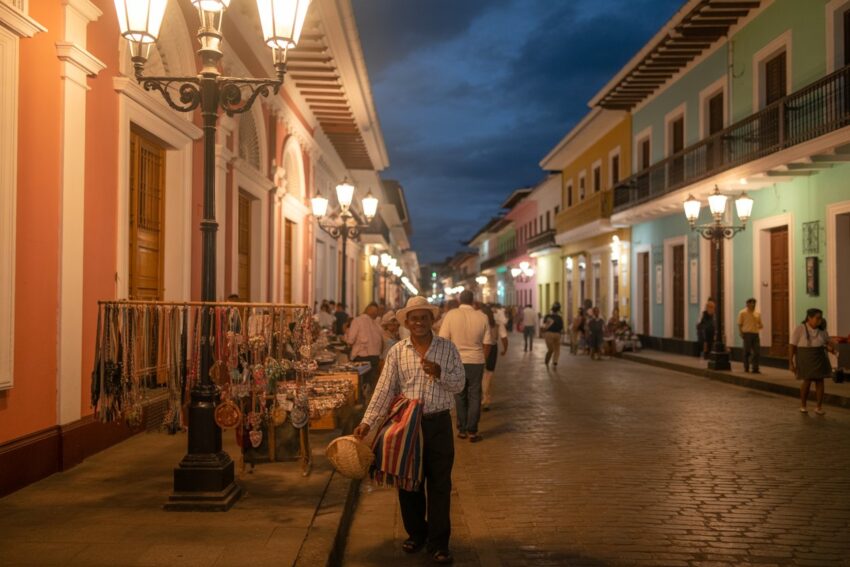
St. Lucia, a beautiful island nation in the Caribbean, has also been included in Canada’s eTA expansion program for “Known Travelers”. This means that St. Lucian citizens can travel to Canada without a visa as long as they have held a Canadian visa in the past 10 years or hold a current U.S. non-immigrant visa. This partial exemption simplifies travel to Canada for many St. Lucian tourists, business professionals, and students, offering them easier access to Canada’s cultural, business, and recreational opportunities. St. Lucians have long traveled to Canada for educational opportunities, family visits, and tourism. With attractions like Toronto’s cultural festivals, the vibrant arts scene in Vancouver, and the natural beauty of Canada’s national parks, St. Lucia’s citizens are drawn to Canada’s rich offerings. By making use of the eTA, St. Lucian travelers can avoid the lengthy visa application process, further strengthening the travel relationship between Canada and St. Lucia.
Barbados: Seamless Travel to Canada for Barbadian Tourists

Barbados, like the Bahamas, benefits from full visa-exempt status under Canada’s Electronic Travel Authorization (eTA) program. For Barbadian passport holders, this means easier travel to Canada, with the only requirement being the acquisition of an eTA before boarding a flight to Canada. The eTA is specifically needed for air travel, and Barbadians do not need a visa or an eTA if traveling by land or sea. Barbados has long been a source of tourism to Canada, with many Barbadian travelers visiting to experience Canada’s natural beauty, cosmopolitan cities, and rich cultural offerings. In recent years, more Barbadian tourists have visited Canada for business, leisure, and family reunification. The ease of travel, combined with the strength of historical ties between the two nations, ensures that Barbadian tourism to Canada continues to thrive. Whether for business trips to Toronto or leisure travel to British Columbia’s national parks, the new eTA system has streamlined the process, making it more accessible and efficient for Barbadians to explore the diverse Canadian landscape.
Trinidad and Tobago: A Partial Exemption to Canada’s Visa Rules

Citizens of Trinidad and Tobago are part of Canada’s “Known Traveler” program, which offers partial visa exemption. This means that while travelers from Trinidad and Tobago can access Canada visa-free under certain conditions, they must have held a Canadian visa in the past 10 years or possess a valid U.S. visa. For those who meet these criteria, the eTA simplifies the travel process by eliminating the need for a full visa application. Trinidad and Tobago has been a consistent contributor to Canadian tourism, with travelers from the islands often visiting for vacations, family visits, and business. The country’s appeal includes vibrant cultural festivals, the Toronto Film Festival, and Canada’s diverse cultural and natural offerings. The convenience of applying for an eTA for air travel has made Canada more accessible to Trinidadians, especially for those planning short trips for business or leisure. However, those who do not meet the “Known Traveler” criteria must still apply for a Temporary Resident Visa (TRV), making it important for first-time visitors to be aware of the application process.
St. Kitts and Nevis: Access to Canada via eTA for Known Travelers

St. Kitts and Nevis follows similar rules as St. Lucia and Trinidad and Tobago, benefiting from the partial exemption program for “Known Travelers”. Citizens of St. Kitts and Nevis can travel to Canada visa-free if they meet the “Known Traveler” criteria, which include having a valid Canadian visa in the past 10 years or holding a current U.S. visa. This makes travel to Canada more accessible for St. Kitts and Nevis citizens who have frequent business or leisure ties to Canada. Tourism from St. Kitts and Nevis to Canada has been growing steadily, with visitors drawn to the rich cultural experiences and natural wonders Canada has to offer. The eTA simplifies the travel process for these citizens, especially for short-term visits to major cities like Montreal, Toronto, and Vancouver. For those holding citizenship through investment, the eTA still applies, but travelers must personally meet the criteria for easier access. The Known Traveler status streamlines the process for those who travel frequently, ensuring smoother access for family visits, business engagements, and tourism.
Enhanced Security Measures: Safeguarding Canada’s Border in 2026
Canada has implemented crucial security measures to complement the eTA expansion, ensuring that the integrity of the country’s border control system is maintained. The most significant change is the introduction of automatic eTA cancellations under new regulations (IRPR 180.1). These regulations enable Canadian authorities to cancel an eTA if a traveler’s passport expires or if it is found that the traveler has misrepresented their travel history, reinforcing the integrity of the system.
Security Enhancements for 2026:
- Automatic Cancellations: eTAs can be automatically canceled if a traveler’s passport expires or if there is a misrepresentation of travel history.
- Biometric Synchronization: Canada and the U.S. have fully synchronized their biometric databases as of January 1, 2026, making it easier to track overstays and other issues.
| Country | Full Exemption? | Needs eTA? | Needs Visa? |
|---|---|---|---|
| Bahamas | Yes | Yes | No |
| Barbados | Yes | Yes | No |
| Trinidad & Tobago | Partial | Yes (if “Known Traveler”) | Yes (if not “Known”) |
| Costa Rica | Partial | Yes (if “Known Traveler”) | Yes (if not “Known”) |
| St. Lucia | Partial | Yes (if “Known Traveler”) | Yes (if not “Known”) |
| St. Kitts & Nevis | Partial | Yes (if “Known Traveler”) | Yes (if not “Known”) |
In 2026, the Bahamas, Costa Rica, Saint Lucia, Trinidad and Tobago, Barbados, Saint Kitts and Nevis, and other Caribbean nations gain expanded visa-free access to Canada, thanks to new border rules aimed at enhancing travel ease and security.
Conclusion
Bahamas, Costa Rica, Saint Lucia, Trinidad and Tobago, Barbados, Saint Kitts and Nevis, and other Caribbean nations now benefit from expanded visa-free access to Canada under the new 2026 border rules. This move enhances travel efficiency, strengthens diplomatic ties, and provides a streamlined process for tourism, business, and family visits. With the introduction of the “Known Traveler” system, Canada aims to balance convenience with security, ensuring smoother and more secure entry for eligible travelers from these nations.
The post Bahamas Joins Costa Rica, Saint Lucia, Trinidad and Tobago, Barbados, Saint Kitts and Nevis, and Others in Caribbean to Get Expanded Visa Free Access to Canada Under New 2026 Border Rules: Everything You Need To Know appeared first on Travel And Tour World.
