


The Bahamas has joined Jamaica, the Dominican Republic, Belize, Cuba, Bermuda, and several other Caribbean destinations in experiencing a significant decline in tourist arrivals from the U.S. last year. This drop, while notable, reflects broader trends affecting global tourism, including shifting travel preferences, economic conditions, and geopolitical factors. Despite the dip, the Bahamas remains a beloved destination for U.S. tourists, known for its stunning beaches, crystal-clear waters, and rich cultural heritage. However, challenges such as economic uncertainty, fluctuating travel policies, and global disruptions have contributed to a slight decline in the number of visitors. As we delve deeper into the factors behind this decline, we’ll explore how these destinations, including the Bahamas, are adapting to maintain their allure, diversify their offerings, and continue to play key roles in the Caribbean tourism industry. While the decrease in arrivals is concerning, these destinations are committed to recovering and growing, ensuring they remain top choices for travelers seeking relaxation, adventure, and cultural experiences.
The Bahamas: Mild Decline in Tourist Arrivals

The Bahamas continues to be a favorite destination for U.S. tourists, with its close proximity, beautiful beaches, and rich history. However, recent statistics reveal a slight decline in tourist arrivals, with 1,058,104 visitors in the previous period dropping to 1,087,036 in the latest report, representing a 2.7% decrease. This minor dip in numbers may reflect a variety of external factors, including global economic conditions and shifting travel trends.
The Bahamas has long been known for its crystal-clear waters, luxury resorts, and diverse range of activities, from snorkeling and diving to exploring its numerous islands and cultural landmarks. The nation’s accessibility, with frequent flights from the U.S., particularly from Florida, makes it an easy and attractive getaway for American tourists. Despite the decline in tourist numbers, the Bahamas remains an important Caribbean destination and continues to focus on improving its offerings, such as expanding its sustainable tourism efforts, improving infrastructure, and enhancing the visitor experience.
While the small drop in U.S. visitors is a concern, the Bahamas’ consistent appeal and efforts to diversify its tourism market suggest that it will remain a key player in Caribbean tourism. By continuing to develop new attractions and accommodations, the Bahamas is well-positioned to recover and maintain its strong tourism industry.
Jamaica: A Notable Drop in U.S. Tourism

Jamaica, with its iconic beaches, vibrant culture, and welcoming atmosphere, has long been a favorite destination for U.S. tourists. However, recent data indicates a decline of 8.0%, with U.S. visitors dropping from 1,854,403 in the previous period to 1,706,656. This drop, although significant, does not detract from Jamaica’s enduring position as one of the Caribbean’s most beloved vacation spots.
Jamaica’s tourism offers a unique blend of culture, music, and adventure. American tourists flock to the island for its beautiful resorts, reggae music scene, rich history, and natural attractions like the Blue Mountains and Dunn’s River Falls. Despite the decline in visitors, the country remains a staple for those seeking tropical experiences combined with rich cultural immersion. Jamaica’s strong ties to the U.S. are also reflected in the large Jamaican diaspora, who frequently travel back home for family and business purposes.
The drop in visitors could be attributed to several factors, including economic pressures and global travel restrictions. However, Jamaica’s tourism infrastructure continues to grow, with new developments and improvements in transportation and sustainability efforts. The government remains focused on attracting tourists and enhancing the overall travel experience, ensuring that Jamaica will continue to be a prime destination for U.S. travelers in the future.
Dominican Republic: A Small Decline in U.S. Tourism

The Dominican Republic remains one of the most popular destinations for U.S. tourists, consistently ranking high in Caribbean travel. In the latest period, the country saw 3,316,237 U.S. visitors, a slight decrease of 1.5% from the previous period, with 3,265,255 visitors. This small decline is noteworthy but doesn’t overshadow the continued popularity of the country among American travelers.
The Dominican Republic offers U.S. tourists an alluring combination of beautiful beaches, resorts, and a rich cultural experience. Cities like Punta Cana and Santo Domingo attract millions each year, offering a mix of tropical beauty, luxury resorts, and vibrant nightlife. Despite the minor drop in arrivals, the Dominican Republic remains a preferred vacation spot for those seeking both relaxation and adventure. The island’s proximity to the U.S. makes it a convenient and accessible getaway, especially for East Coast residents. Additionally, the Dominican Republic’s appeal to American tourists is bolstered by the large Dominican-American community, which fosters family visits and cultural ties.
While the slight decline in tourist numbers could be attributed to global travel uncertainties and economic shifts, the Dominican Republic continues to be a key player in U.S. tourism. The country remains committed to maintaining its strong tourism sector through infrastructure development, sustainability efforts, and an ever-expanding hospitality industry.
Belize: Small Decline Amid Strong Natural Attractions
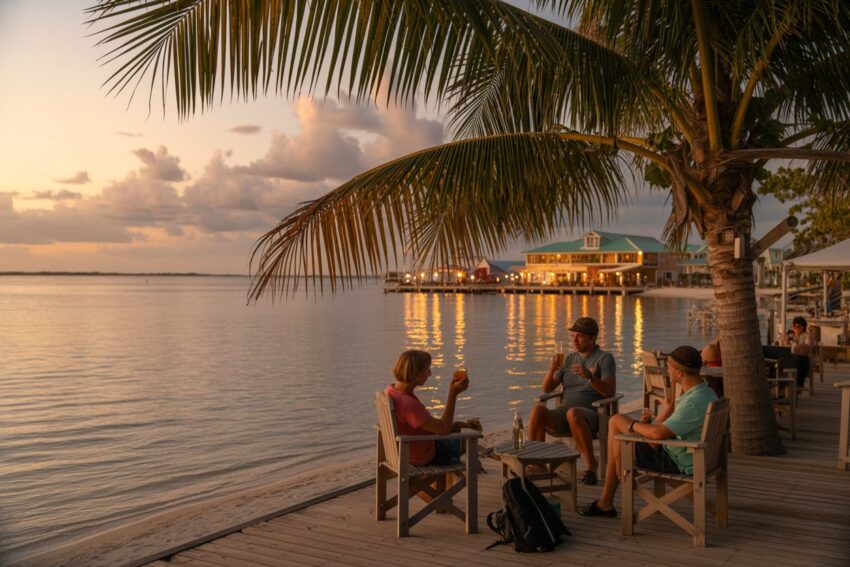
Belize, a country known for its natural beauty, including lush rainforests, pristine beaches, and the famous Great Blue Hole, has experienced a slight decline in U.S. tourism, with arrivals falling by 1.3% from 336,459 to 332,185 visitors. Despite the decline, Belize remains a top destination for American tourists seeking an eco-friendly adventure and a cultural experience.
Belize’s tourism sector thrives on its appeal to those interested in nature, adventure, and cultural exploration. Visitors can explore ancient Mayan ruins, hike through national parks, or enjoy world-class diving and snorkeling in the barrier reef. Belize is especially popular among nature lovers and adventure seekers who are drawn to its protected natural areas and diverse wildlife. The country’s compact size and accessibility from the U.S. further add to its allure.
The decline in tourism may be linked to broader trends such as global economic challenges, but Belize’s focus on sustainable tourism and adventure travel continues to attract a steady stream of visitors. Belize remains dedicated to promoting eco-tourism and ensuring that its natural resources are protected for future generations of travelers.
Cuba: A Significant Decline in U.S. Tourism

Cuba, once a popular destination for American tourists, has seen a significant decline in visitors, with a 22.8% drop in U.S. arrivals from 142,450 to 110,005. This steep decline reflects the ongoing geopolitical and economic challenges facing Cuba, as well as travel restrictions that have affected the flow of U.S. tourists to the island.
Despite its political and economic difficulties, Cuba continues to offer U.S. visitors a unique travel experience, with its rich history, vibrant culture, and stunning architecture. American tourists were once drawn to Cuba for its historical landmarks, art scene, and nostalgic connection to the past. However, the sharp decrease in U.S. tourism can be attributed to the complicated U.S.-Cuba relationship, which has led to fluctuating travel policies and restrictions, particularly under recent U.S. administrations.
The decline in U.S. visitors to Cuba presents a challenge for the country’s tourism sector, which relies heavily on foreign travelers. However, the Cuban government continues to make efforts to attract tourists, with initiatives focused on sustainable tourism and increasing cultural exchanges. Despite the hurdles, Cuba remains a destination that holds strong cultural and historical significance, and it continues to appeal to travelers seeking a unique and adventurous experience.
Bermuda: A Modest Decline in U.S. Tourism
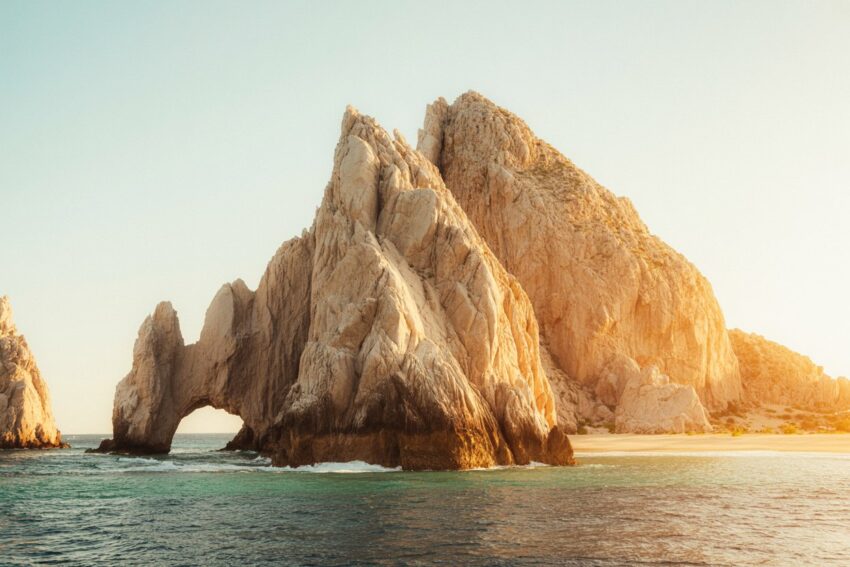
Bermuda, known for its pink sand beaches, luxury resorts, and rich colonial history, has experienced a slight 3.1% decline in U.S. tourism, with arrivals dropping from 122,054 to 118,290. While this represents a modest decrease, it still highlights the challenges faced by Bermuda’s tourism industry, which relies heavily on U.S. visitors.
Bermuda has long been a top destination for American travelers, particularly those from the East Coast, due to its proximity and easy access via short flights. The island offers a perfect blend of relaxation, outdoor activities, and cultural exploration, attracting visitors who are interested in both leisure and history. Visitors can explore the island’s charming towns, historic forts, and vibrant coral reefs, making it an ideal destination for a variety of interests.
Despite the small decline in U.S. arrivals, Bermuda’s tourism industry continues to focus on attracting tourists with new developments, events, and marketing campaigns. The island’s natural beauty and well-established tourism infrastructure ensure that Bermuda remains a top choice for U.S. visitors, and the industry is expected to continue to recover and thrive in the coming years.
Caribbean Tourism Decline: Insights from Tourism Analytics
Caribbean tourism has experienced a noticeable decline in recent years, with several popular destinations seeing a drop in U.S. tourist arrivals. According to Tourism Analytics – Caribbean Tourism Data & Statistics, factors such as global economic instability, changing travel trends, and geopolitical challenges have contributed to this downturn. While the region remains a sought-after destination for travelers, the data shows that countries like Jamaica, the Dominican Republic, the Bahamas, and others have faced significant decreases in visitors. This decline underscores the need for the Caribbean to adapt by diversifying its tourism offerings, improving infrastructure, and embracing sustainable practices to attract future visitors. Despite these challenges, the Caribbean’s unique charm, beautiful landscapes, and rich culture continue to make it a resilient and appealing region for tourists, and with the right strategies, it remains poised for recovery.
Bahamas, alongside Jamaica, the Dominican Republic, Belize, Cuba, Bermuda, and others in Caribbean, experienced a significant decline in U.S. tourist arrivals last year. This drop reflects shifting travel trends, economic factors, and global disruptions.
Conclusion
Bahamas joins Jamaica, the Dominican Republic, Belize, Cuba, Bermuda, and several other Caribbean destinations in experiencing a significant decline in U.S. tourist arrivals last year. This downturn can be attributed to a combination of factors, including changing travel patterns, economic challenges, and global disruptions. While these declines are concerning, these destinations remain popular among U.S. travelers for their unique offerings, such as stunning beaches, rich culture, and vibrant history. Moving forward, efforts to diversify tourism offerings, improve infrastructure, and enhance sustainability will be key to recovering and regaining the attention of U.S. visitors. With continued innovation and investment, the Bahamas and other affected countries will likely bounce back, retaining their positions as sought-after spots in the Caribbean tourism market.
The post Bahamas Joins Jamaica, Dominican Republic, Belize, Cuba, Bermuda, and Others in Caribbean Experiencing a Significant Decline in Tourist Arrivals from the US Last Year: Everything You Need to Know appeared first on Travel And Tour World.
