
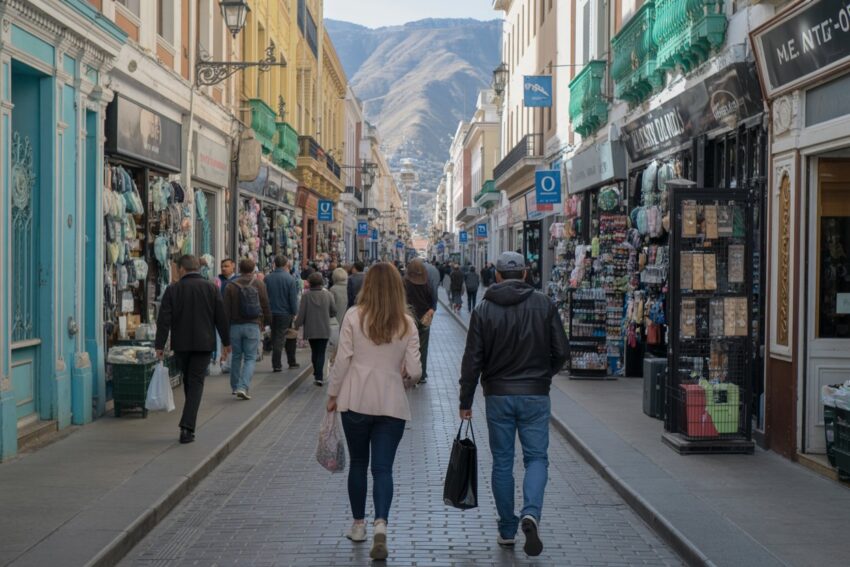
Travel habits are changing rapidly across the globe. Travellers no longer want only landmarks, museums, or luxury resorts. They now want everyday experiences that reveal real local life. One surprising trend gaining attention in the travel and tourism industry is grocery store tourism. This travel shopping trend is quietly transforming how people explore destinations, including the United Kingdom and major global cities.
Grocery store tourism focuses on visiting local supermarkets, food halls, and neighbourhood stores as part of a travel experience. It may sound simple, but it offers deep cultural value. For travellers, grocery stores act as windows into daily routines, food traditions, and national identity. For the tourism industry, this trend represents a powerful shift towards authentic and affordable travel experiences.
Understanding Grocery Store Tourism From a Travel Industry Perspective
Grocery store tourism refers to travellers intentionally visiting supermarkets and local food stores while on holiday. The goal is not just shopping. The goal is observation, learning, and cultural immersion. Travellers study packaging, ingredients, pricing, and food habits. These small details reveal how people live, eat, and prioritise health and tradition.
From a tourism industry perspective, this trend aligns with experiential travel. Modern travellers value experiences over attractions. Grocery store tourism offers real, unfiltered insight into a destination. It requires no tickets and no fixed schedules. This makes it accessible to all age groups and travel budgets.
Why Travellers Are Choosing Supermarkets Over Traditional Attractions
One key reason behind this trend is rising travel costs. Flights, accommodation, and attraction tickets are becoming expensive. Grocery store tourism offers a meaningful experience without added cost. Travellers can explore for free while still gaining cultural knowledge.
Another reason is curiosity. Travellers enjoy discovering unfamiliar snacks, local drinks, and regional ingredients. These discoveries feel personal and memorable. Unlike tourist attractions, grocery stores show everyday life. This creates a sense of connection with the destination.
In the United Kingdom, visitors often explore local supermarkets to understand British food culture, seasonal eating habits, and regional preferences. This helps travellers feel more confident and comfortable during their stay.
How Grocery Store Tourism Supports Sustainable and Local Travel
Sustainability is now a major focus in tourism planning. Grocery store tourism supports this goal naturally. Travellers spend money locally instead of only at global chains or tourist hotspots. This helps neighbourhood economies benefit from tourism.
This travel shopping trend also reduces overcrowding at major attractions. Visitors spread into residential areas. This balances tourism flow across cities. For destination managers, this trend helps protect heritage sites while still encouraging exploration.
Grocery store tourism also supports longer stays. Travellers who shop locally often choose apartments with kitchens. This increases average length of stay and local spending.
Cultural Learning Through Everyday Food Choices
Food is one of the strongest cultural markers. Grocery stores showcase national tastes and values. Shelf space reveals what people eat daily. Product labels reflect language, regulations, and health awareness. Seasonal products show climate and farming traditions.
Through grocery store tourism, travellers learn about food culture without formal tours. They understand local breakfast habits, popular snacks, and traditional ingredients. This knowledge enriches the entire travel experience, including dining choices and social interactions.
Practical Travel Tips for Experiencing Grocery Store Tourism
Travellers should treat grocery store visits as cultural experiences. Observing respectfully is important. Exploring both large supermarkets and small neighbourhood shops offers a fuller picture of local life.
Trying locally produced items is recommended. Non-perishable foods also make meaningful travel souvenirs. Travellers staying longer can prepare simple meals using local ingredients. This enhances cultural understanding and reduces dining costs.
Timing also matters. Visiting stores during busy hours shows daily routines. Quieter hours allow relaxed exploration.
What This Trend Means for the Future of Global Tourism
Grocery store tourism reflects a broader change in traveller behaviour. People want authenticity, value, and independence. They want experiences that feel real. This travel shopping trend meets those expectations.
For the tourism industry, grocery store tourism offers new opportunities. Destination marketing can highlight food culture beyond restaurants. Travel planners can design neighbourhood-based experiences. Cities can promote local shopping districts as cultural assets.
Final Insight for Global Travellers
Grocery store tourism proves that meaningful travel does not always require grand attractions. Sometimes, the most powerful cultural experiences happen in ordinary places. For global travellers, this trend turns simple shopping into cultural discovery. For the tourism industry, it signals a future built on authenticity, sustainability, and everyday life.
The post Beyond Landmarks and Lounges: How Grocery Store Tourism Is Redefining Authentic Travel Experiences for Modern Global Travellers appeared first on Travel And Tour World.
