
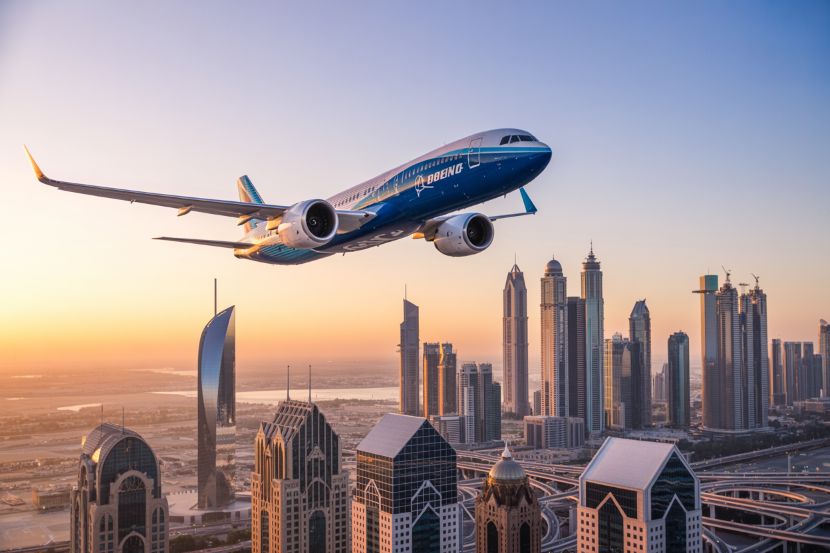

Boeing has recently announced the appointment of Fahad Al Mheiri as the Vice President for the Middle East, Gulf, and North Africa regions. Starting in January 2026, Al Mheiri will lead Boeing’s efforts to strengthen its partnerships across this dynamic region, which is a key player in the global aerospace industry. The appointment comes as Boeing aims to further its strategic initiatives and enhance its long-standing presence in the region. Al Mheiri succeeds Kuljit Ghata-Aura, who will take on a new role within the company.
With over 700 employees across the region, Boeing serves more than 30 commercial customers and 12 armed forces, making it a central player in the aerospace sector. This article explores the significance of this appointment and the broader implications for Boeing’s operations in these vital regions.
Fahad Al Mheiri: A Leader with Extensive Aerospace Experience
Fahad Al Mheiri brings a wealth of experience to his new position at Boeing. Having previously served as the Managing Director of Raytheon Emirates, Al Mheiri has established a strong reputation in the aerospace, defense, and space industries. His background is diverse, spanning across several key sectors such as energy, space exploration, and defense, which aligns well with Boeing’s strategic goals in the Middle East and North Africa.
Al Mheiri’s new role places him at the heart of Boeing’s efforts to expand its partnerships within the Middle East, North Africa, and the Gulf regions. These areas have become increasingly important as countries in these regions, including the UAE, Saudi Arabia, and Qatar, invest heavily in building their aerospace infrastructure. As the region undergoes rapid development, Boeing will play a crucial role in contributing to the growth of this sector.
Boeing’s Legacy and Future Prospects in the Region
Boeing’s history in the Middle East and North Africa spans over 80 years, making it one of the longest-standing players in the region’s aerospace sector. Over the years, the company has strengthened its presence by working closely with national airlines, defense forces, and government agencies to support the growth of the aerospace industry.
As part of its strategic focus, Boeing has invested heavily in local infrastructure, research, and innovation, particularly in countries like the UAE and Saudi Arabia, which are rapidly becoming global hubs for aviation and aerospace technologies. The company has also partnered with key regional suppliers like Strata and EPI in the UAE, to source materials and components, further solidifying its presence in the region.
Al Mheiri’s appointment marks a new chapter for Boeing, particularly as the company seeks to further enhance its collaborations with regional stakeholders. This shift comes at a time when the aerospace sector in the region is undergoing significant transformation, driven by government-backed initiatives to expand and modernize the industry.
The Impact on Local and Regional Tourism
The expansion of aerospace and aviation infrastructure in the Middle East and North Africa has far-reaching implications for the travel and tourism industries. As countries like the UAE, Qatar, and Saudi Arabia continue to invest in modernizing their airports and launching new airlines, tourism has become a key driver of economic growth. Boeing’s investments in the region are helping to lay the groundwork for this growth, with new flights, improved connectivity, and cutting-edge technologies.
For travelers, this means increased opportunities to explore emerging destinations in the Gulf and North Africa, where tourism is rapidly becoming a significant part of the economic fabric. Boeing’s operations will likely continue to facilitate access to major cities like Dubai, Doha, Riyadh, and Abu Dhabi, all of which are fast becoming global travel hotspots.
For tourists looking to visit these regions, Boeing’s investment in local airlines and infrastructure will improve flight options, connectivity, and the overall travel experience. Whether traveling for leisure or business, travelers will benefit from more efficient routes, modern airports, and advanced technologies powered by Boeing.
What Should Travelers Know About This Development?
Travelers interested in visiting the Middle East and North Africa should be aware of the growing emphasis on aviation and infrastructure within these regions. Boeing’s role in supporting local airlines and aerospace companies will make travel more accessible and efficient for tourists.
Additionally, travelers should note that countries in this region are continuously evolving their tourism offerings. From luxury resorts in the UAE to the historical wonders of Morocco and Egypt, the region is becoming a key destination for global tourists.
Here are a few travel tips for visitors to the Middle East and North Africa:
- Check Airline Options: With Boeing’s expanded presence, travelers will have more flight choices, especially for those flying to Dubai, Cairo, and Doha.
- Explore Emerging Destinations: As regional airlines expand their reach, there are increasing opportunities to visit up-and-coming cities that are being developed into major global destinations.
- Leverage Improved Infrastructure: New airports and better-connected flight routes will make traveling to these regions more convenient, so always check for new direct flights.
- Support Local Tourism: With Boeing’s contributions to the industry, local tourism initiatives in these countries are poised to offer unique experiences for visitors.
Conclusion: Boeing’s Continued Influence on Global Aerospace and Tourism
The appointment of Fahad Al Mheiri as Vice President for the Middle East, Gulf, and North Africa represents a significant step for Boeing as it continues to strengthen its position in the rapidly growing aerospace markets of these regions. Al Mheiri’s extensive expertise in the aerospace sector will help Boeing capitalize on the opportunities within the Middle East and North Africa, making these regions even more attractive to both businesses and tourists.
Boeing’s commitment to supporting national strategies for developing the aerospace industry, combined with the region’s rapidly growing tourism sector, sets the stage for even greater global connectivity and economic opportunities in the years to come.
The post Boeing Appoints New VP for Middle East, Gulf, and North Africa—Impact on Aerospace, Tourism, and Economic Growth Across the UAE, Saudi Arabia, and Qatar, Here’s What You Need to Know appeared first on Travel And Tour World.
