
Chicago joins Washington DC, New York, San Francisco, Los Angeles, Dallas, and others in fueling U.S. tourism decline with a significant drop in Asian tourist arrivals last year. This downturn, affecting major cities across the country, reflects a combination of factors such as global economic challenges, rising travel costs, and shifting preferences among international travelers. In 2025, cities like Chicago saw subtle declines, while others experienced more pronounced drops, signaling the impact of post-pandemic recovery, competitive international destinations, and changing travel behaviors. These cities, once top destinations for Asian visitors, now face the challenge of revitalizing their tourism sectors and adapting to evolving global trends.
Chicago, IL: The Windy City Faces a Subtle Drop in Asian Visitors
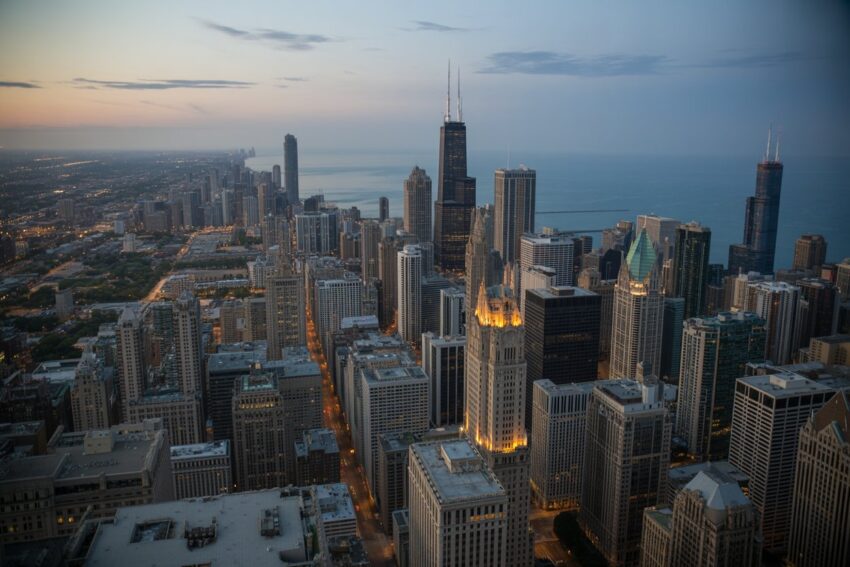
Chicago, IL, known for its iconic skyline, world-class museums, and diverse culture, saw a minimal decline in Asian tourist arrivals, down by just 822 visitors, or 0.23%, in 2025 compared to the previous year. The Windy City has long been a popular destination for tourists, offering attractions like Millennium Park, the Art Institute of Chicago, and its deep-dish pizza. However, even a slight drop in visitor numbers signals the challenges Chicago faces in competing for international tourism.
This small dip in visitors from Asia can be attributed to a number of factors. The post-pandemic recovery in global tourism has been uneven, and travelers may have redirected their interest to cities with more aggressive marketing campaigns or more appealing international flights. Economic shifts and rising travel costs may also be playing a role in influencing travel behavior. To maintain its position as a premier U.S. destination, Chicago will need to highlight its cultural experiences, unique architecture, and culinary scene, creating specialized packages and targeted marketing strategies for international travelers.
Washington DC: The Capital Faces a Dip in Asian Tourist Arrivals
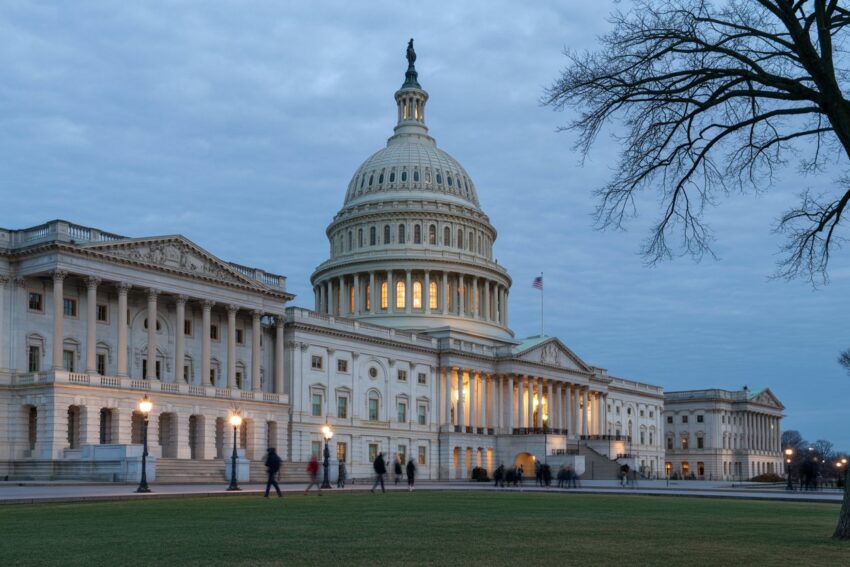
Washington, DC, the heart of the United States, saw a decrease in Asian tourists, with a loss of approximately 15,468 visitors in 2025 compared to 2024, marking a decline of 7.56%. This decline in tourist traffic comes at a time when the city has been revitalizing its tourism offerings with new exhibitions, memorials, and cultural events. Washington’s rich history, iconic landmarks such as the Lincoln Memorial, Smithsonian museums, and the White House, typically draw millions of visitors each year. However, a combination of factors seems to have contributed to the drop in numbers from Asia.
Economic challenges, fluctuating travel policies, and a shift in preferences toward other destinations in the U.S. may have played a role. Additionally, the competitive nature of global tourism, with European and Asian countries also vying for attention, might have drawn some of the expected travelers away from DC. While the city’s historical charm and political significance remain intact, the drop in Asian tourists highlights the need for continued innovation in Washington’s tourism offerings to regain its former visitor numbers.
New York, NY: The Big Apple Faces a Decline in Asian Visitors
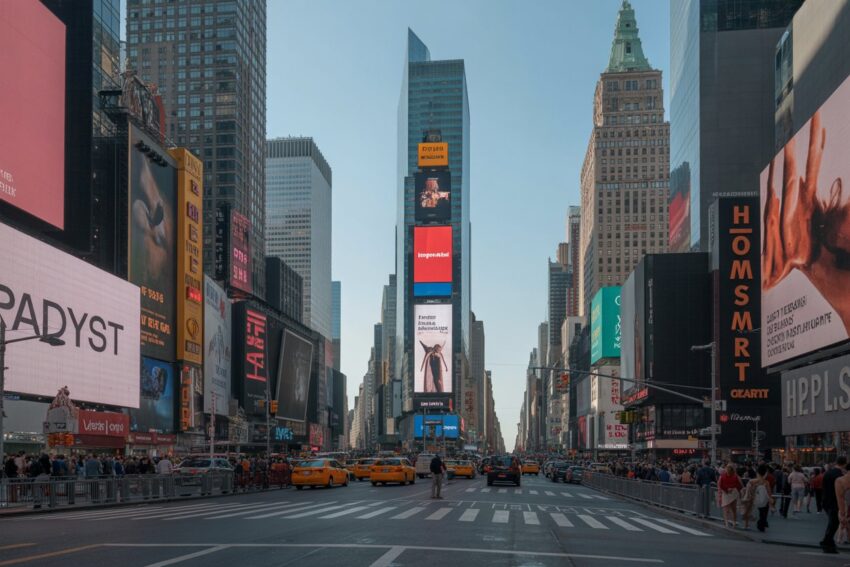
New York City, known for its vibrant culture, iconic skyline, and bustling streets, experienced a 4.95% drop in Asian tourist arrivals in 2025, losing 46,294 visitors compared to 2024. As one of the world’s most visited cities, New York’s allure has long been undeniable, attracting millions of tourists each year. From the Statue of Liberty to Times Square and Central Park, the city offers countless experiences.
However, the decline could be attributed to several factors. The post-pandemic recovery period has affected international travel patterns, with many Asian tourists looking at other American cities that offer unique attractions or lower travel costs. Additionally, global uncertainties, including economic downturns in several Asian countries, might have resulted in reduced travel budgets. New York’s tourism sector must adapt to these challenges by enhancing its marketing strategies, diversifying cultural events, and promoting off-peak season travel. With its world-class offerings, New York remains a top destination, but it will need to innovate to maintain its competitive edge in a rapidly changing tourism landscape.
San Francisco, CA: A Technological Hub with a Visitor Setback

San Francisco, CA, often seen as a symbol of innovation and culture, saw a decline in Asian visitors by 1.84% in 2025, losing about 15,467 travelers compared to 2024. Famous for the Golden Gate Bridge, its tech-driven economy, and its eclectic neighborhoods, San Francisco is a favorite among international travelers. However, it too has felt the effects of changing tourism dynamics.
Increased travel costs, the competitive nature of international tourism, and the ever-changing political landscape have likely contributed to this decline. San Francisco is traditionally a tech tourism hub, attracting those with a keen interest in Silicon Valley, but a shift in travel preferences, along with global travel disruptions, may have steered some potential tourists elsewhere. With its rich history and innovation, San Francisco will need to recalibrate its tourism strategies, focusing on creating tailored experiences for visitors and leveraging its tech culture to attract more international visitors, especially from Asia.
Los Angeles, CA: The City of Stars Sees a Slight Dip in Visitors
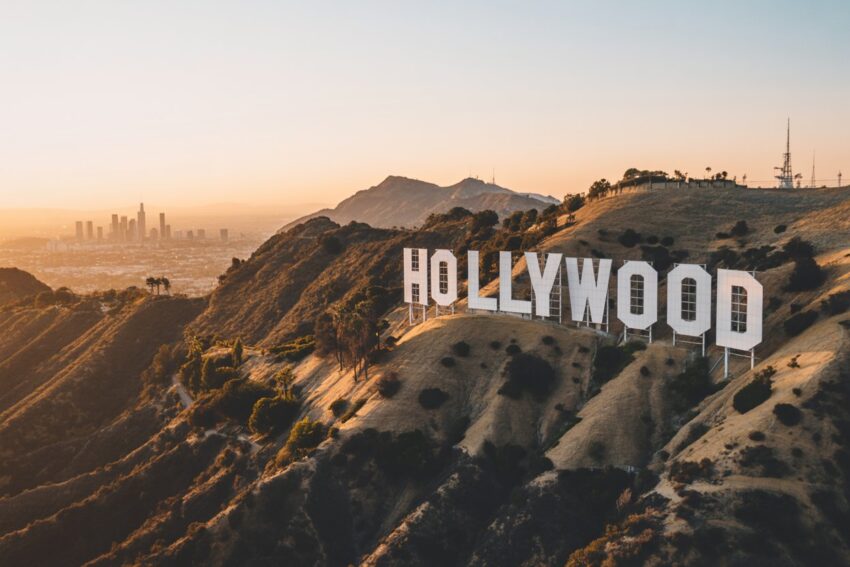
Los Angeles, CA, a city synonymous with Hollywood and the entertainment industry, experienced a slight decline in Asian visitors in 2025, with a drop of 1.76% or 19,103 visitors compared to 2024. Known for its glamorous movie industry, beautiful beaches, and tourist attractions like the Hollywood Walk of Fame and Universal Studios, Los Angeles has long been a magnet for international tourists.
However, several factors could be responsible for this decline. The rise of other U.S. cities as cultural and entertainment hubs, along with increasing travel costs, may have caused potential visitors to reconsider their plans. Additionally, with travel restrictions and economic factors at play, Asian tourists may have turned to destinations that were more affordable or perceived as more accessible. The city must continue to leverage its status as the entertainment capital of the world and expand its appeal through international partnerships, targeted marketing, and unique tourism offerings to regain its international tourist numbers.
Dallas, TX: A Southern Charm Affected by Global Trends
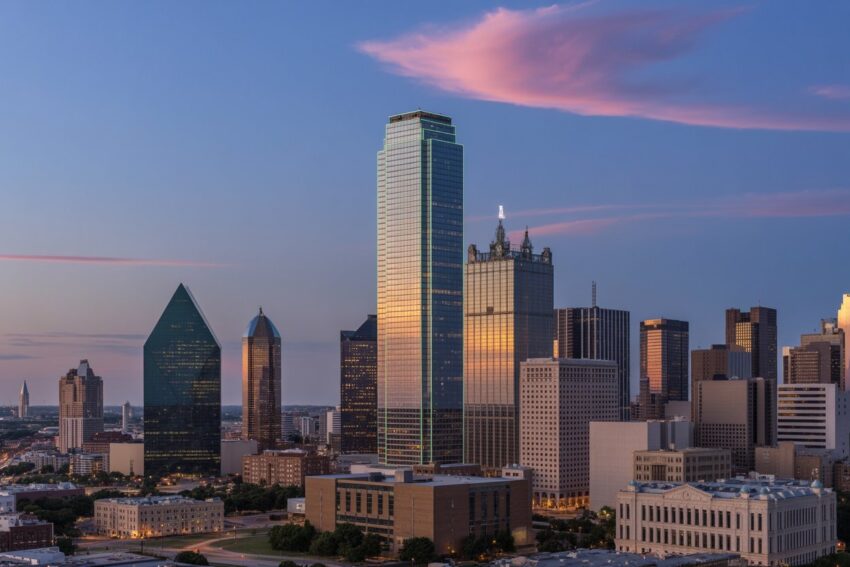
Dallas, Texas, with its dynamic arts scene, southern charm, and booming economy, saw a modest drop in Asian tourist arrivals in 2025, losing about 2,329 visitors or 1.05%. Dallas is home to a rich cultural heritage, world-class museums, and a thriving culinary scene. Visitors flock to places like the Sixth Floor Museum and the Dallas Arboretum. However, this drop in tourist numbers suggests that the city’s appeal may not be as strong as it once was to international visitors, particularly from Asia.
The decline could be attributed to a combination of global travel trends, economic factors, and the growth of other American cities in attracting international tourists. Dallas’ more central location, while beneficial for domestic travel, might not be as convenient for overseas travelers as other major U.S. cities. To reverse this decline, Dallas could focus on promoting its cultural events, southern hospitality, and family-friendly attractions while creating stronger ties with international markets to enhance its visibility as a travel destination.
Asian Tourism in the U.S.: A Vital Market Facing Challenges
Asian tourism has long been a cornerstone of the U.S. tourism sector, with millions of visitors from countries like China, Japan, South Korea, and India flocking to major cities each year. These visitors contribute significantly to the U.S. economy, spending on everything from shopping and dining to sightseeing and entertainment. According to data from Trade.gov, Asian countries have consistently ranked among the top international markets for U.S. tourism. Cities like New York, Los Angeles, San Francisco, and Washington, DC have traditionally been major hubs for Asian tourists, drawing them with their cultural, historical, and modern attractions. However, recent shifts in global travel dynamics, such as rising travel costs, economic uncertainties, and the aftermath of the COVID-19 pandemic, have led to a decline in Asian tourist arrivals in the U.S. This dip in visitors highlights the growing competition from other international destinations, changing travel preferences, and geopolitical factors. To maintain its stronghold in the Asian tourism market, the U.S. will need to address these challenges through targeted marketing, enhanced travel experiences, and strengthened diplomatic and cultural ties with key Asian countries.
Chicago joins Washington DC, New York, San Francisco, Los Angeles, Dallas, and others in fueling U.S. tourism decline with a significant drop in Asian tourist arrivals last year. This decline reflects rising travel costs, global economic factors, and shifting preferences.
Conclusion
Chicago joins Washington DC, New York, San Francisco, Los Angeles, Dallas, and others in fueling U.S. tourism decline with a significant drop in Asian tourist arrivals last year. This decline can be attributed to several factors, including rising travel costs, global economic shifts, and changes in international travel preferences. As these cities face challenges in regaining their Asian tourist base, they must adapt their strategies to stay competitive in a dynamic global tourism market. By innovating in marketing, offering unique experiences, and addressing emerging global travel trends, these cities can work toward reversing the downward trend and reclaiming their positions as top U.S. destinations for international visitors.
The post Chicago Joins Washington DC, New York, San Francisco, Los Angeles, Dallas, and Others in Fueling US Tourism Decline with a Significant Drop in Asian Tourist Arrivals Last Year: All You Need to Know appeared first on Travel And Tour World.
