
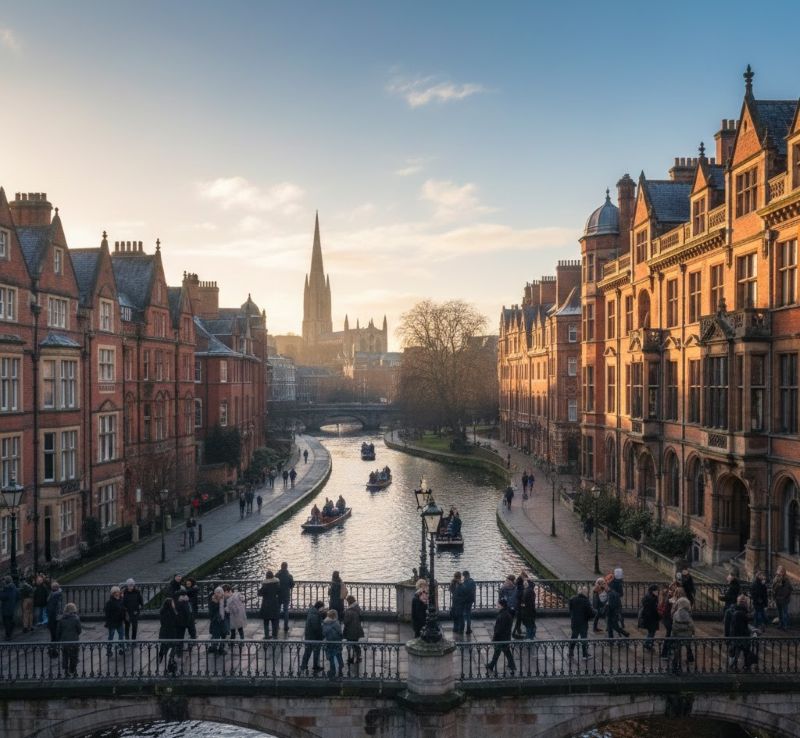

England Joins Northern Ireland, Scotland, and Wales in an Explosive Surge of Tourism That’s Taking the United Kingdom by Storm and Setting New Milestones for Global Travel. The United Kingdom is currently experiencing an unprecedented tourism boom, with England, Northern Ireland, Scotland, and Wales all playing vital roles in this explosive surge. Each region of the UK has contributed to a massive rise in visitor numbers, helping the nation not only recover from the pandemic but also surpass pre-pandemic tourism levels. This collective rise in tourism is nothing short of remarkable, with every corner of the UK benefiting from the influx of international and domestic visitors.
In 2024, the UK welcomed an astonishing 42.5 million international tourists, marking a record high that eclipsed the numbers seen in 2019. England, the largest part of the UK, is leading the charge with its iconic landmarks and vibrant cities attracting millions of visitors each year. From the hustle and bustle of London to the cultural renaissance in cities like Manchester and Liverpool, England’s cities have become key destinations for tourists seeking both historical depth and modern excitement. This growth in England’s tourism is powered by the shift towards urban experiences, with visitors flocking to its world-renowned cultural venues, restaurants, and pubs.
Meanwhile, Northern Ireland has also seen a huge surge in international visitors, with its blend of natural beauty and cultural heritage capturing the world’s attention. The Giant’s Causeway, Belfast’s Titanic Quarter, and other iconic sites have sparked a wave of tourism from North America and beyond. This growth has helped solidify Northern Ireland as a critical part of the UK’s tourism ecosystem, attracting millions of visitors each year.
In Scotland, tourism has exploded in the past few years, driven by its rugged landscapes, historical landmarks, and the booming popularity of screen tourism. Iconic locations like Edinburgh Castle and the Scottish Highlands, featured in films like Skyfall and Outlander, have drawn thousands of visitors eager to experience the beauty they’ve seen on screen. Scotland’s long stays and high per capita spend show that it is not only attracting tourists, but also encouraging them to linger and explore deeper.
Lastly, Wales has become a go-to destination for outdoor enthusiasts, with its scenic coastlines, breathtaking national parks, and charming villages offering visitors an escape into nature. Known for its “slow travel” experiences, Wales continues to rise in popularity, especially for those seeking a tranquil retreat from the modern world.
Together, these four nations are reshaping the UK’s tourism landscape, driving economic growth, and attracting tourists from across the globe. The explosive surge of tourism is setting new milestones for the United Kingdom, positioning it as a top global travel destination for years to come.
UK Tourism: A Record-Breaking Year
In 2024, the UK’s tourism industry achieved an impressive £33.7 billion in total spend—a 7% increase compared to the previous year. This growth marks a clear turning point, with the nation now fully back on track to surpass pre-pandemic tourism figures. The United States remains the top source market, with American tourists accounting for a significant portion of the spending, approximately £1 in every £5 spent by international visitors.
The UK’s ability to recover and thrive highlights the resilience and adaptability of its tourism industry, which has successfully navigated the challenges posed by COVID-19. As more international tourists are drawn to the country, it is becoming increasingly clear that this recovery will have lasting effects, not only on the economy but also on the tourism landscape as a whole.
Regional Insights: The Pillars of Growth
While London has traditionally been the primary hub for international visitors, this growth has extended well beyond the capital. From Scotland’s rugged highlands to Wales’ coastal escapes, every region of the UK is experiencing its own unique boost in tourism. The following sections explore how different areas of the UK are contributing to the nation’s tourism boom.
England: The Central Powerhouse
England remains the dominant player in the UK tourism sector, accounting for approximately 68% of all international arrivals. The capital city, London, leads the way, attracting nearly half of the UK’s international visitors. In 2024 alone, London welcomed an astounding 10.4 million international tourists. This popularity is driven by the city’s iconic landmarks such as Buckingham Palace, the Tower of London, and the British Museum, which continue to captivate tourists from around the world.
However, the demand for city experiences extends beyond London. Manchester, Liverpool, and Birmingham are emerging as cultural hotspots, drawing tourists with their rich histories, food scenes, and vibrant cultural offerings. A notable 63% of visitors to England indulge in dining at restaurants, while 41% immerse themselves in the tradition of visiting classic British pubs.
This shift towards “city life” tourism has highlighted the growing popularity of urban adventures, with visitors seeking a blend of modern and traditional British experiences. The rise in tourism outside of London suggests a diversification in what international visitors are seeking, and these cities are becoming increasingly attractive as destinations for both culture and cuisine.
Scotland: A Premium Destination for Nature and Heritage
Scotland has witnessed a remarkable increase in high-value tourism, particularly from North American visitors. In 2024, Scotland recorded 4.4 million international trips, generating £4 billion in tourism spend—56% higher than in 2019. This growth is largely attributed to “screen tourism”, with iconic filming locations from shows like Outlander and movies like Skyfall enticing travelers to explore Scotland’s stunning landscapes.
The Scottish Highlands, Edinburgh Castle, and the Isle of Skye are top destinations for visitors eager to experience the natural beauty and historic landmarks that have gained global recognition. Scotland’s tourism profile is increasingly premium, with visitors spending longer durations and higher amounts per trip, making it a significant contributor to the UK’s tourism success.
Wales: Coastal Escapes and Outdoor Adventures
Wales is carving out a reputation as a destination for outdoor enthusiasts and those seeking coastal relaxation. Nearly one-third of visitors to Wales explore its beautiful beaches and coastlines—three times the UK average. In 2024, 7.61 million domestic visitors took overnight trips to Wales, contributing £2.24 billion to the local economy.
In addition to its pristine beaches, Wales offers a variety of outdoor activities, including hiking in Snowdonia and exploring its vast national parks. The rise of “slow travel” in Wales highlights the region’s appeal to visitors looking to immerse themselves in nature at a slower, more leisurely pace. Despite a slight dip in domestic tourism in 2025, the region continues to be a major draw for nature lovers and those seeking tranquillity in its rural landscapes.
Northern Ireland: The Gateway to Ireland’s Heritage
Northern Ireland has displayed impressive growth in recent years, with the “Belfast Effect” becoming a key driver of tourism. In 2024, 3 million overnight visits were recorded, with visitors flocking to Belfast, the Giant’s Causeway, and the Dark Hedges—all offering a mix of natural beauty, rich history, and cinematic appeal.
The region’s proximity to the Republic of Ireland has made it a popular destination for cross-border tourism, especially for those exploring both parts of the island. The increase in North American visitors, particularly to locations featured in films like Game of Thrones and Titanic, has contributed to Northern Ireland’s tourism growth. With its growing reputation as a cultural and heritage destination, Northern Ireland continues to expand its role as a major tourism hotspot.
South West England: Countryside and Coastal Charm
The South West England, encompassing Cornwall, Devon, and Somerset, remains a leading destination for “slow travel” and countryside tourism. Visitors to this region are drawn by its scenic coastlines, traditional English villages, and tranquil countryside, offering an escape from the hustle and bustle of city life.
While there was a slight decline in domestic overnight stays in 2025 due to a shift towards overseas holidays, the region’s enduring appeal remains strong. Whether it’s exploring the sandy beaches of Cornwall, hiking through the rolling hills of Somerset, or walking the famous coastal paths of Devon, the South West continues to offer an unhurried, nature-focused experience for those seeking to immerse themselves in the beauty of the British countryside.
North West England: A Hub for Culture and Sport
North West England, with its cultural and sporting heritage, has seen a significant increase in tourism, particularly in Manchester and Liverpool. These cities have become cultural meccas, with thriving music scenes, historic football clubs, and renowned festivals drawing international visitors.
Manchester’s bustling music scene and Liverpool’s Premier League football heritage have led to a rise in tourism spend, with the region continuing to benefit from its rich cultural offerings. The growth in cultural tourism, alongside the area’s sporting appeal, has cemented the North West’s position as a major tourism destination.
South East England: The Historical Corridor
South East England, including destinations like Oxford, Canterbury, and Stonehenge, offers some of the UK’s most visited heritage sites outside of London. As the gateway to the rest of England, the South East serves as the primary corridor for visitors traveling between London and the coast.
The region’s historical landmarks, picturesque landscapes, and proximity to London make it a key destination for both domestic and international day-trippers. From the medieval architecture of Canterbury to the prehistoric mystery of Stonehenge, the South East continues to capture the imagination of tourists seeking to explore England’s deep-rooted history.
Regional Tourism Growth Across the UK: A Diverse Landscape of Opportunities
| Region | Tourism Growth Highlights |
| England (Central Powerhouse) | – 68% of all international arrivals to the UK. – London attracts nearly 50% of UK’s international visitors. – Shift towards “city life” tourism with major cities like Manchester and Liverpool driving growth. |
| Scotland (Cultural & Natural Leader) | – 4.4 million international trips in 2024. – £4 billion in total spend, 56% higher than 2019. – Surge in screen tourism from shows like Outlander and films like Skyfall. |
| Wales (Coastal & Activity Specialist) | – 34% of visitors explore beaches, three times the UK average. – 7.61 million domestic overnight trips in 2024. – Growing appeal for outdoor and nature-based tourism. |
| Northern Ireland (Gateway to Ireland) | – 3 million overnight visits from UK residents in 2024. – 21% increase in North American visitors. – Popular destinations like the Giant’s Causeway and Titanic Quarter. |
| South West England (Heart of Countryside Tourism) | – Leading destination for countryside tourism. – Emphasis on slow travel experiences in Cornwall, Devon, and Somerset. – Slight decline in domestic trips in 2025, but continues to attract nature lovers. |
| North West England (Urban Regeneration) | – Increased international spend, driven by Manchester and Liverpool. – Heritage and sports tourism, including Premier League football. – Growing cultural tourism with music festivals and live performances. |
| South East England (Historical Corridor) | – Home to top heritage sites outside London (Stonehenge, Canterbury). – Significant day-trip visits, especially from domestic tourists. – A key corridor for visitors traveling from London to coastal destinations. |
The tourism growth across the UK is highly regionalized, with each area offering unique experiences that cater to different types of travelers. From the urban buzz of London and Manchester to the rugged beauty of Scotland and the coastal serenity of Wales, the nation is seeing significant growth in both inbound and domestic tourism. With these regions continuing to develop their tourism offerings, the UK remains an appealing destination for a wide array of travelers, ensuring the sector’s continued economic importance.

Economic Impact: The Role of Tourism in the UK’s Recovery
The UK’s tourism sector plays an essential role in the nation’s economic recovery, contributing a projected £257 billion to the economy in 2025. This represents a significant portion of the UK’s GDP, supporting millions of jobs in hospitality, retail, transport, and cultural sectors. As inbound tourism continues to grow, it has also spurred investment in infrastructure, leading to new developments in transport, accommodation, and visitor attractions across the country.
As international visitors flock to both urban and rural regions, the impact on local economies is undeniable. From the bustling streets of London to the peaceful villages of Cornwall, tourism is driving economic growth and supporting jobs across the entire UK.
A Bright Future for UK Tourism
The UK’s tourism industry is on an extraordinary upward trajectory. With a record-breaking 2024, a thriving economy, and continued growth expected in 2025, the nation is solidifying its position as a global leader in tourism. From the iconic landmarks of London to the stunning landscapes of Scotland and Wales, the UK offers a diverse range of experiences that cater to every type of traveller.
As the world continues to recover from the pandemic, the UK’s tourism sector is not just bouncing back—it’s thriving, and the impact on the economy is set to be felt for years to come. Whether seeking culture, history, nature, or modern urban experiences, the UK offers something for everyone. With regional tourism continuing to flourish, the UK is poised for sustained growth, securing its place as one of the top travel destinations worldwide.
The post England Joins Northern Ireland, Scotland, and Wales in an Explosive Surge of Tourism That’s Taking the United Kingdom by Storm and Setting New Milestones for Global Travel appeared first on Travel And Tour World.
