
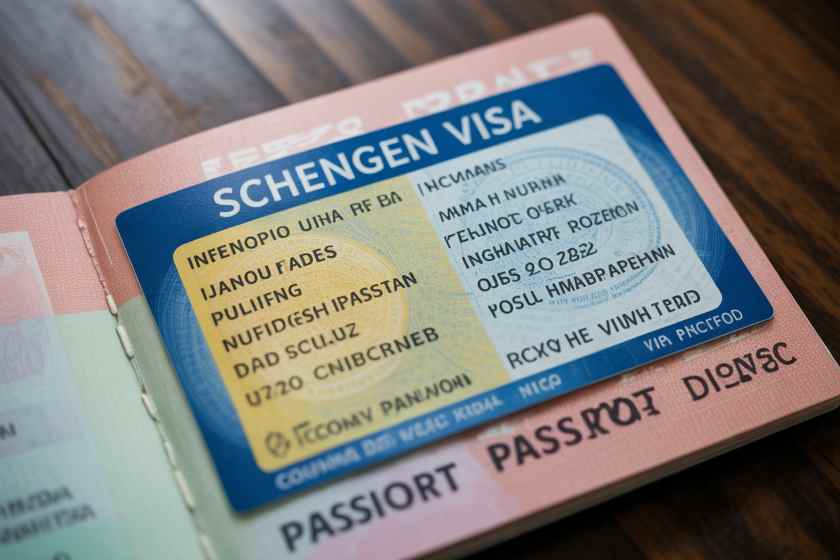
In a bid to modernize and harmonize visa rules across Europe, the European Union (EU) has introduced a new visa policy strategy, which includes a proposal to extend the validity of multiple-entry Schengen visas beyond the current five-year limit. Announced in January by the European Commission, the initiative aims to streamline travel for frequent tourists and business professionals, making Europe more accessible while ensuring that border controls and security standards are strengthened.
The reform is a response to growing demands for easier access to the Schengen Area for reliable travelers, as countries like the US, UK, and Canada already offer long-term visa options. By easing the administrative burden on consulates and reducing the frequency of visa applications, the EU hopes to make Europe a more competitive destination for tourism, investment, and business mobility.
A New Era for Schengen Visa Holders: Extending Multiple-Entry Visas Beyond Five Years
Currently, the EU limits multiple-entry Schengen visas to a maximum of five years, with each visa requiring a new application once it expires. Under the new proposal, however, individuals deemed “bona fide”—that is, travelers with a history of compliant behavior, a low migration risk, and a secure profile—could receive multiple-entry visas that remain valid for periods beyond five years.
This new initiative is part of the EU’s broader effort to enhance its appeal as a tourism and business hub. The policy is designed to reduce the need for repeated visa applications from frequent visitors, while simultaneously enhancing security measures and maintaining the integrity of the Schengen Area’s border controls. The European Commission believes that simplifying access for low-risk, frequent travelers will encourage tourism and business exchange, while also boosting Europe’s economic competitiveness on the global stage.
While the extended validity would not be automatically granted to all applicants, it would be available to those who meet the criteria of consistent lawful travel and low migration risk. This targeted approach will make it easier for those who travel regularly for business or tourism to visit the Schengen Area without the hassle of renewing visas frequently.
The Digital Shift: Moving Towards a Fully Digital Visa System
One of the key aspects of the new visa policy strategy is the full digitalization of visa procedures. Under the proposed reforms, the physical visa stickers currently issued would be replaced with secure digital visas. This digital shift will not only streamline the application process but also enhance the security of visa issuance.
By transitioning to a digital system, the EU aims to improve the efficiency of border control procedures. Interoperable databases and advanced border management systems will enable more effective screening against irregular migration, organized crime, and other security threats. This digital approach will also provide travelers with a more convenient and secure way to manage their visa applications and entry permits.
The proposal includes the creation of a centralized digital platform for visa applications, allowing travelers to easily submit their documents and track the status of their visas. This digitalization effort is expected to be a game-changer for both travelers and consular staff, reducing processing times and ensuring greater accuracy and security in the issuance of visas.
Balancing Visa Facilitation with Security Controls
While the proposed reforms aim to facilitate easier access for regular, low-risk travelers, they also introduce stricter measures for other categories of travelers. Visa policy remains an important tool for migration management and foreign policy, and the EU is committed to ensuring that the broader security landscape is maintained.
Future visa facilitation will depend not only on individual compliance but also on the cooperation of partner countries in areas such as the readmission of nationals in irregular situations. This is particularly important for the EU, which wants to balance mobility with the need for effective border management and security protocols.
The Commission also announced initiatives to assess visa-free regimes for third countries and establish “Legal Gateway Offices” to assist employers and skilled non-EU nationals with immigration procedures. These initiatives align with the EU’s broader asylum and migration strategy, aiming to attract talent for innovation while maintaining strict oversight over migration flows.
Impact on Tourism and Business Travel: What You Need to Know
For tourists, the extended validity of Schengen visas will simplify the process of traveling across Europe for extended stays. Whether you’re planning a long vacation or multiple business trips, the new rules will make it easier to visit Europe without the need for frequent visa renewals. As the digital visa system comes into play, travelers will also benefit from a faster, more efficient application process.
Business travelers will see particular benefits from the proposal. The ability to secure long-term visas will help foster greater mobility for business professionals who need to travel to the EU regularly for meetings, conferences, and other work-related activities. The easier visa access will reduce administrative delays and allow for smoother operations in the fast-paced world of international business.
What’s Next for Schengen Visa Reforms?
The changes outlined in the EU’s visa policy strategy are still in the early stages and will require further legislative actions and technological developments before they can be fully implemented. Some elements of the reform, such as the digitalization of visa procedures, are expected to take effect by 2026, while others will take longer to roll out.
The proposed changes to the validity of multiple-entry visas will depend on technical factors, such as the storage period of biometric data in EU border systems. Nonetheless, the shift towards a longer-term mobility tool for selected travelers is a step toward simplifying Europe’s visa system while enhancing security.
The post EU’s New Visa Strategy: Multiple-Entry Schengen Visas Could Soon Be Valid for More Than Five Years appeared first on Travel And Tour World.
