
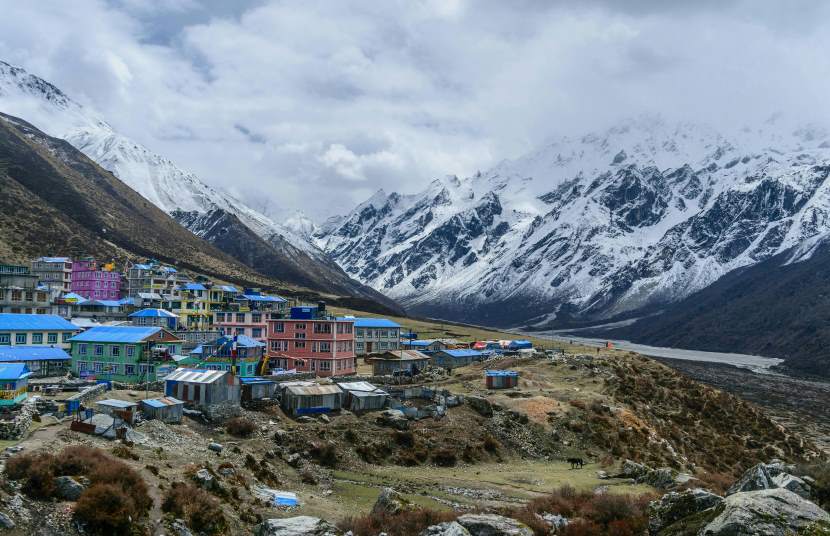
The landscape of Sikkim tourism is currently being prepared for a significant transformation as plans for a premier five-star Hyatt Regency hotel have been officially set into motion. This ambitious project is viewed as a cornerstone for the modernization of the hospitality sector within the Himalayan region. Through the establishment of this international luxury brand, the state is expected to be positioned as a top-tier destination for global travelers. The initiative was highlighted during a high-level meeting where the strategic importance of high-end infrastructure was underscored by government officials. By integrating world-class amenities with the natural beauty of the region, a new standard for excellence is being targeted by the stakeholders involved.
Official Approval and Strategic Vision
The formal green light for this massive undertaking was provided by the Chief Minister of Sikkim, Prem Singh Tamang. During a session conducted at his official residence, Mintokgang, the foundation for this partnership was solidified. The project is being spearheaded by the Hyatt Group in collaboration with the Ambuja Neotia Group. It was noted by the Chief Minister that the introduction of such a prestigious establishment is anticipated to generate numerous opportunities for the local population. The vision for a more robust economy is being tied directly to the success of high-profile investments like the Hyatt Regency.
The project is situated in Namli, a location chosen for its strategic proximity to the state capital and its breathtaking natural surroundings. It is believed by the administration that the presence of a five-star facility will act as a catalyst for further development in the surrounding areas. The commitment to enhancing the state’s profile on the global tourism map was reiterated during the briefing, where the technical aspects of the hotel were reviewed.
Architectural Integration and Local Impact
The design and execution of the Hyatt Regency are being planned with a deep respect for the local environment and aesthetic. A blend of modern luxury and traditional Sikkimese elements is expected to be featured in the final structure. Extensive discussions were held regarding the impact of the construction on the local ecosystem, and assurances were given that sustainable practices would be prioritized. The local workforce is expected to be a primary beneficiary of this project, as employment opportunities in construction, hospitality management, and service sectors are predicted to rise significantly.
The development of the hotel is not merely seen as a commercial venture but as a holistic contribution to the state’s infrastructure. Improved road connectivity and utility services are often seen as byproduct benefits when a major international brand settles in a specific locality. The Namli area is thus expected to undergo a period of revitalization, transitioning from a quiet suburb into a hub of high-end activity.
Strengthening the Tourism Ecosystem
The broader implications for the tourism ecosystem in Northeast India are being carefully analyzed by industry experts. For a long period, the lack of diverse five-star options was cited as a limitation for high-net-worth travelers visiting the region. With the entry of the Hyatt Regency, this gap is being addressed. The state of Sikkim is being showcased as a safe, beautiful, and now, luxury-capable destination.
The collaboration between the state government and private entities like the Ambuja Neotia Group is being praised as a model for future public-private partnerships. By facilitating the entry of global players, the state is demonstrating a pro-business environment that is conducive to large-scale investments. It is hoped by the tourism department that the success of this hotel will encourage other international chains to explore the untapped potential of the Sikkimese mountains.
Economic Prospects and Future Growth
The financial influx associated with the Hyatt Regency project is expected to be substantial. Revenue generated through luxury taxes and tourism spending will be funneled back into state welfare programs, as suggested by government representatives. Furthermore, the hotel is being envisioned as a venue for international conferences and summits. By providing the necessary facilities for MICE (Meetings, Incentives, Conferences, and Exhibitions) tourism, Sikkim is being prepared to host global delegates, further diversifying its economic base.
Local farmers and artisans are also expected to find a new marketplace within the hotel’s operations. Sourcing local organic produce for the hotel’s culinary requirements is a practice that is being encouraged. In this way, the benefits of a global hotel brand are being distributed across various layers of the local community. The project is viewed as a symbiotic relationship where global standards meet local authenticity.
Environmental Stewardship and Sustainability
As the project moves forward in the delicate Himalayan terrain, the importance of environmental stewardship is being emphasized by all parties. The Hyatt Regency is being designed to adhere to strict environmental regulations to ensure that the pristine nature of Sikkim remains untarnished. Waste management systems, energy-efficient lighting, and water conservation techniques are expected to be integral parts of the hotel’s operational framework.
The state’s reputation as an organic and eco-friendly destination is being protected through these measures. It is argued by supporters of the project that luxury and ecology can coexist harmoniously if planned with foresight. The Namli project is intended to serve as a benchmark for how large-scale hospitality developments can be executed in ecologically sensitive zones without compromising the integrity of the landscape.
Concluding Milestones for the Region
In conclusion, the arrival of the Hyatt Regency in Sikkim is being celebrated as a landmark achievement for the Northeast. The journey toward becoming a premier global destination is being accelerated by this development. Through the leadership of Prem Singh Tamang and the expertise of the Hyatt and Ambuja Neotia groups, a new chapter is being written in the history of Sikkimese hospitality.
The anticipation surrounding the completion of the hotel is growing among travelers and residents alike. Once the doors are opened, the standard of service and luxury in the region is expected to be elevated to unprecedented levels. The focus remains on delivering an experience that honors the spirit of Sikkim while providing the comfort and sophistication associated with a five-star international brand. This move is undeniably a bold step forward in the strategic growth plan of the state’s tourism department.
The post Five Star Luxury Standards to be Introduced in Sikkim Through Hyatt Regency Development appeared first on Travel And Tour World.
