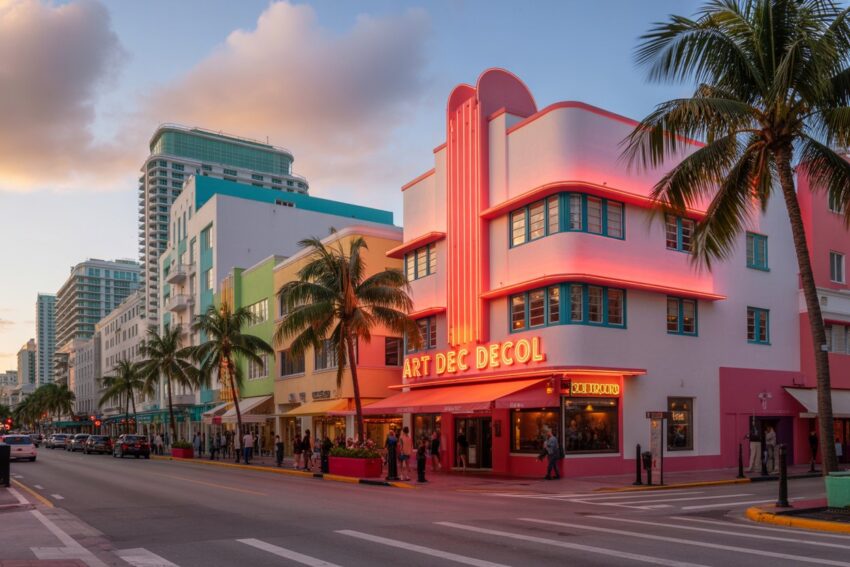

In 2026, Florida joins California, Texas, New York, Washington, Massachusetts, and other key states in skyrocketing U.S. domestic tourism. With its iconic beaches, theme parks, and luxury resorts, Florida continues to draw millions of travelers. These states, driven by diverse attractions, cultural offerings, and major events, are leading the charge in boosting domestic tourism. As each state adapts to new trends—whether it’s eco-tourism, premium travel experiences, or historical celebrations—they are poised to maintain their dominance in the U.S. tourism market this year.
Breakdown of 2026 Domestic Spending
The projected $1.43 trillion in domestic spending in 2026 comes from two distinct segments: domestic leisure and domestic business travel. Each has evolved differently since 2019, reflecting changes in consumer behavior and priorities.
- Domestic Leisure Spending: Estimated at around $1.11 trillion, this segment is expected to grow by 18-20% compared to 2019. The main driver for this growth is the prioritization of experiences over material goods. Many travelers are choosing “quiet-cations”—a new trend focusing on relaxing, experience-rich getaways to national parks, boutique rural hotels, and other destinations that allow for a break from digital overload. This shift underscores a desire for more meaningful and restorative travel experiences.
- Domestic Business Spending: Projected at $320 billion, this segment is still in the process of recovering but is showing significant growth. The return of large-scale conventions, corporate meetings, and MICE (Meetings, Incentives, Conferences, and Exhibitions) events is propelling this recovery, with business travel gradually returning to pre-pandemic levels.
Primary Drivers of Resilience in Domestic Travel
Several structural shifts in the American economy and consumer behavior have contributed to the resilience of the domestic travel market, exceeding pre-pandemic records. Key drivers include:
The “Experience Economy” Shift: Despite ongoing inflationary concerns, Americans are increasingly choosing to allocate their travel budgets to experiences rather than material goods. According to recent data, 84% of travelers plan to travel the same amount or more in 2026 compared to 2025, underscoring the growing importance of experiences over traditional consumer goods.
Generational Spending Power: Gen Z and Millennials now represent the most influential travel segments. A notable 56% of Gen Z and 48% of Millennials intend to increase their travel frequency in 2026. These younger generations are not only more likely to travel more often but also to pay for “premium” upgrades and curated local experiences, making them a key demographic for the travel industry moving forward.
The Rise of “Quiet-cations”: One of the standout trends for 2026 is the growing demand for “analogue” getaways. These types of trips focus on unplugging from the digital world and escaping the pressures of daily life. Quiet-cations typically involve stays at boutique hotels or national parks, with longer trips in domestic locations. This trend increases local spending as travelers stay for extended periods and invest in unique, off-the-beaten-path experiences.
Infrastructure & Connectivity: Significant investments in regional air connectivity and highway upgrades have made secondary destinations (tier-2 and tier-3 cities) more accessible to travelers. This has helped spread tourism spending beyond the traditional hot spots like New York or Orlando, benefiting smaller cities and towns that are now more easily reached by both road and air travel.
Emerging Challenges and Frictions in the Travel Industry
While domestic travel spending in 2026 is expected to break records, the “real” value of these figures is tempered by several emerging challenges. These include inflationary pressures, selective spending, and the growing international “trade deficit.”
Inflationary Pressures: A significant portion of the $1.43 trillion in projected domestic spending is attributed to higher costs for flights, hotels, dining, and other travel-related expenses. While the volume of trips may be growing, the inflationary impact has led to higher prices, which have inflated the total spend. This means that while more money is being spent on travel, not all of it is the result of an increase in the number of travelers or trips taken.
Selective Spending: Although total spending is up, travelers are becoming more selective about their expenditures. There’s a noticeable decline in willingness to pay for extras like seat selection, travel insurance, and additional baggage fees. Consumers are looking to maximize the core value of their trips, focusing on the essential elements of their travel experiences, and cutting back on non-essential extras. This selective spending highlights the growing importance of cost-effective, value-driven travel.
International “Trade Deficit”: While domestic travel is thriving, U.S. outbound travel (Americans traveling abroad) is growing faster than international inbound travel to the U.S. This has created a projected “travel trade deficit” of approximately $70 billion for 2026. This means that more Americans are spending money abroad than international travelers are spending in the U.S. This shift has implications for the broader tourism and hospitality sectors, potentially affecting the balance of tourism revenue.
Florida: The Sunshine State Shines Brighter Than Ever

Florida remains the leader of the “Sun Belt” in terms of tourism and leisure spending. Known for its sunny beaches and theme parks, Florida continues to dominate as one of the top destinations in the U.S. for domestic travelers. The state’s tourism market has enjoyed consistent growth since 2019, fueled by the allure of its famed resorts and expanding offerings in the tourism sector. With destinations like Orlando, Miami, and the Florida Keys, the Sunshine State has something to offer all types of travelers.
In 2026, Florida is seeing a shift toward attracting premium, high-spending domestic travelers, and the year-end holiday season is expected to see record numbers. Florida’s theme parks, such as Walt Disney World and Universal Studios, continue to be key drivers of the state’s economy, while the influx of visitors seeking luxurious beachfront properties and high-end services ensures that Florida remains at the forefront of domestic spending growth.
Upcoming Events:
- Walt Disney World’s 50th Anniversary Celebrations – A year-long celebration bringing thousands of visitors to Orlando.
- Miami Art Basel – The largest contemporary art fair in the Americas, drawing international visitors each year.
- The Florida Keys Lobster Festival – A summer event attracting both locals and tourists with its seafood and beachside attractions.
| Key Factors Driving Growth | Impact in 2026 |
|---|---|
| Growth in premium domestic travel | Attracting high-spending travelers |
| Record-setting holiday travel | Increased visitor numbers during peak seasons |
| Dominance of theme parks & resorts | Sustained demand from family leisure tourists |
| Strong beach resort offerings | Growth in luxury and beach vacation tourism |
California: The Golden State’s $1.43 Trillion Boost

California is set to maintain its dominance in the tourism sector in 2026, remaining the leader in total tourism revenue. The state’s appeal is further amplified by its blend of world-renowned destinations and the revival of international markets alongside a surge in domestic leisure demand. With iconic spots like Yosemite, Napa Valley, and Los Angeles, California continues to attract millions of visitors, making it a top contender for the upcoming domestic spending surge.
The Golden State is also benefiting from major events such as preparations for the 2026 FIFA World Cup in Los Angeles, which will significantly drive both domestic and international tourism. The state’s visitor growth rate is forecast to increase by 1.7% in 2026, bolstered by the post-pandemic recovery. The infrastructure enhancements around Los Angeles and the anticipation of major sports events are expected to contribute heavily to California’s resilience in the tourism sector, securing its place at the top in 2026.
Upcoming Events:
- 2026 FIFA World Cup – Los Angeles will host matches as part of the global sporting spectacle.
- Coachella Valley Music and Arts Festival – Held annually, attracting global travelers to California’s iconic music scene.
- Yosemite’s 150th Anniversary – A year-long celebration of one of the nation’s most iconic national parks.
| Key Factors Driving Growth | Impact in 2026 |
|---|---|
| Major sporting events (FIFA World Cup) | Surge in tourism, especially in LA |
| Increased international market recovery | Boost in foreign visitors alongside domestic growth |
| Strong recovery in leisure travel | 1.7% forecasted visitor growth |
| Iconic destinations like Yosemite & Napa Valley | Continued dominance in tourism revenue |
Texas: The Resilience of the Lone Star State

Texas is a shining example of resilience in 2026, driven by aggressive marketing campaigns like the “$35 million ‘Let’s Texas’ initiative” and significant investments in infrastructure. Cities like Austin and Dallas are emerging as thriving hubs for business and tourism, attracting more visitors than ever before. Texas has expanded its international appeal with major airport upgrades and a steady return of the MICE (Meetings, Incentives, Conferences, and Exhibitions) industry. The state’s dominance in the business travel segment, paired with a flourishing tourism market, creates a potent mix of opportunities.
The state’s growth is also fueled by its diverse range of attractions, from music festivals in Austin to rich cultural history in San Antonio. As a destination for both business and leisure, Texas has successfully created an environment that caters to a broad demographic of visitors, positioning itself as a key player in the domestic spending surge for 2026.
Upcoming Events:
- SXSW (South by Southwest) – Austin’s world-renowned music, tech, and film festival attracting global attendees.
- Texas State Fair – Dallas hosts the largest state fair in the U.S. with attractions for all ages.
- Texas Tourism Month – A month-long celebration of the state’s diverse attractions, from food festivals to cultural events.
| Key Factors Driving Growth | Impact in 2026 |
|---|---|
| “$35 million ‘Let’s Texas’ campaign” | Increased visibility and travel demand |
| Significant airport expansions (Austin, Dallas) | Improved connectivity and business travel |
| Strong presence in MICE industry | Boost in business events and tourism |
| Cultural attractions and festivals | Rise in domestic and international visitors |
New York: The Empire State Revives in Style

New York’s tourism sector is experiencing a robust domestic revival, with spending reaching record levels in the wake of an impending milestone – the city’s 400th anniversary. As preparations for the 2026 FIFA World Cup begin, New York is becoming a must-visit destination for travelers. One of the key trends in 2026 is the movement of tourists beyond the iconic Manhattan hubs, with Brooklyn and other boroughs seeing a significant increase in domestic travelers exploring cultural neighborhoods and the city’s new developments.
The city’s massive infrastructure overhaul, including the modernization of airports like JFK and LaGuardia, is also contributing to New York’s resurgence. The influx of cultural tourism, alongside the growing interest in sustainable, city-focused travel, continues to solidify New York’s place as a top destination in 2026. As tourism trends shift toward more inclusive, local experiences, New York’s vast cultural offerings ensure that it remains a leader in the U.S. tourism market.
Upcoming Events:
- The 400th Anniversary of New York City – A year-long celebration of the city’s rich history and cultural contributions.
- 2026 FIFA World Cup – New York will host key matches, bringing in thousands of visitors.
- New York Fashion Week – A bi-annual event that draws fashion enthusiasts and tourists from around the world.
| Key Factors Driving Growth | Impact in 2026 |
|---|---|
| 400th Anniversary & FIFA World Cup prep | Boost in domestic and international tourists |
| Infrastructure overhaul (JFK, LaGuardia) | Improved air travel experience and accessibility |
| Expansion of cultural tourism | Growth in cultural and neighborhood tourism |
| Focus on sustainable, local experiences | Strong demand from eco-conscious travelers |
Washington: A Nature-Focused Paradise in the Pacific Northwest

Washington State is gaining traction as a premier destination for nature-focused travel in 2026. The state’s tourism growth is driven by its commitment to sustainability and its booming cruise industry, particularly out of Seattle. With its lush forests, pristine coastline, and majestic mountains, Washington offers an ideal location for travelers seeking to explore the great outdoors in a sustainable manner. The state has capitalized on the trend toward eco-tourism, positioning itself as a go-to destination for those who wish to explore nature responsibly.
Washington’s focus on outdoor activities such as hiking, kayaking, and whale watching, combined with its growing cruise tourism industry, ensures that visitors can enjoy diverse experiences, from the Olympic National Park to the urban attractions of Seattle. With its focus on responsible tourism and nature-based travel, Washington is solidifying its reputation as a top eco-tourism destination in the U.S.
Upcoming Events:
- Seattle International Film Festival (SIFF) – One of the largest film festivals in the Pacific Northwest, attracting filmmakers and tourists alike.
- Washington State Fair – A major event that draws visitors for music, culture, and agriculture.
- Whale Watching Season – Popular in the spring and fall, bringing eco-tourism enthusiasts to Washington’s coast.
| Key Factors Driving Growth | Impact in 2026 |
|---|---|
| Focus on sustainable, nature tourism | Increase in eco-tourism and outdoor activities |
| Growth in cruise industry (Seattle) | Boost in cruise tourism to natural destinations |
| Scenic destinations (Olympic National Park) | Rise in visitors seeking adventure and nature |
| Increased awareness of eco-tourism | Strong demand from sustainability-focused travelers |
Massachusetts: A Historic Hotspot for the Semiquincentennial Celebration

Massachusetts stands out as the “breakout” state for 2026, especially with its critical role in celebrating America’s 250th anniversary (the Semiquincentennial). The state’s tourism is experiencing a massive surge as Americans flock to historic sites in Boston and Plymouth, where the nation’s revolutionary history is deeply embedded. As one of the nation’s most historic regions, Massachusetts is perfectly positioned to attract those eager to celebrate this significant milestone in U.S. history.
The surge in educational and historical tourism, combined with the nation’s 250th anniversary celebrations, is driving domestic spending in Massachusetts. The state’s historical richness, combined with new cultural programs and events, is making it a key player in the 2026 tourism boom. With top attractions like the Freedom Trail in Boston and the Mayflower in Plymouth, Massachusetts is set to enjoy a stellar year, making it an unmissable destination for history enthusiasts and travelers alike.
Upcoming Events:
- America 250 (Semiquincentennial Celebrations) – National celebrations marking the 250th anniversary of the U.S., with key events in Massachusetts.
- Boston Marathon – The world’s oldest annual marathon, drawing international and domestic runners and tourists.
- Plymouth’s Mayflower Anniversary – A year-long celebration of the arrival of the Pilgrims and America’s founding.
| Key Factors Driving Growth | Impact in 2026 |
|---|---|
| Semiquincentennial (America 250) celebrations | Major surge in historical and educational tourism |
| Strong historical attractions (Freedom Trail, Plymouth) | Increased visitation from history-focused travelers |
| National pride in the 250th anniversary | Boost in domestic spending on cultural tourism |
| Focus on educational tourism | Massachusetts becomes a top destination for U.S. travelers |
In 2026, Florida joins California, Texas, New York, Washington, Massachusetts, and others in skyrocketing U.S. domestic tourism. These states’ diverse attractions, major events, and evolving travel trends are driving this growth.
Conclusion
Florida has joined California, Texas, New York, Washington, Massachusetts, and other states in skyrocketing U.S. domestic tourism this year. The surge in travel is fueled by each state’s unique attractions, vibrant events, and strategic investments in tourism infrastructure. As the tourism landscape evolves, these states are adapting to emerging trends, such as eco-tourism and premium travel experiences, ensuring continued growth in domestic tourism. Their collective appeal positions them as key players in shaping the future of U.S. tourism in 2026.
The post Florida Joins California, Texas, New York, Washington, Massachusetts, and Others to Skyrocket US Domestic Tourism This Year: Everything You Need to Know appeared first on Travel And Tour World.
